New Hollywood and auteur cinema
5,127 films · 1968–1980
New Hollywood is the name film history gives to the generation of American filmmakers who, roughly between 1968 and 1980, renewed Hollywood cinema from within. The same years saw remarkable creative freedom in much of European, Asian and Soviet cinema, which is usually grouped under the label auteur cinema. Both phenomena share a central idea: that the director should carry real weight, both against the studios and against the conventions of genre.
The industrial context explains much of this change. The studio system had lost power since the 1948 antitrust ruling that forced studios to separate production from exhibition, and television had taken away a large part of the audience. In 1968 Hollywood abandoned the old Production Code and replaced it with a rating system based on age, which allowed harder subjects on screen. At the same time, the Vietnam War and the Watergate scandal fed a climate of distrust towards institutions that runs through many films of the period.
In terms of style, New Hollywood favoured morally ambiguous characters, unsentimental endings and a pace that could be slow. Many filmmakers borrowed from documentary, Italian neorealism and the French New Wave, and they paid close attention to sound and to the texture of the image. Midnight Cowboy (1969), directed by John Schlesinger, is one of the early examples of this sensibility, and it won the Oscar for best picture in 1970. MASH (1970), by Robert Altman, brought an irreverent humour and an overlapping style of storytelling that influenced many later filmmakers.
Among the main figures, Francis Ford Coppola stands out with The Godfather (1972) and The Godfather Part II (1974), as well as The Conversation (1974) and Apocalypse Now (1979). Martin Scorsese made Taxi Driver (1976), a portrait of a lonely man in New York City. Woody Allen offered an urban and autobiographical view with Annie Hall (1977). Sidney Lumet directed Network (1976), a satire about television, and Miloš Forman adapted One Flew Over the Cuckoo's Nest (1975). Other titles of the period, such as Chinatown (1974), by Roman Polanski, or The Exorcist (1973), by William Friedkin, show the range of registers that coexisted in those years.
European auteur cinema had its own weight. Federico Fellini made Amarcord (1973), and Stanley Kubrick, who worked from England, directed A Clockwork Orange (1971) and Barry Lyndon (1975). Werner Herzog and Rainer Werner Fassbinder represented a new German cinema of strong personality, while François Truffaut and Claude Chabrol, veterans of the New Wave, kept exploring their own paths. In the Soviet Union, Vladimir Menshov enjoyed a major success with Moscow Does Not Believe in Tears (1980), and Akira Kurosawa shot Dersau Uzala (1975) as a Soviet-Japanese co-production.
The influence of this period proved lasting. The success of Jaws (1975) and Star Wars (1977) showed the commercial potential of big summer releases and franchises, and paved the way for the studio cinema of the 1980s. At the same time, the idea of the director as a central creative figure became firmly established and shaped later generations of filmmakers. The commercial failure of a major 1980 production marked the end of the freest phase of the period, as studios began to demand more predictable box office results.
 The Godfather1972
 One Flew Over the Cuckoo's Nest1975
 The Godfather Part II1974
 Rocky1976
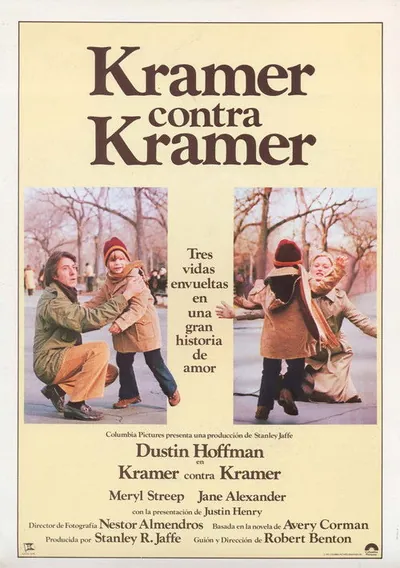 Kramer vs. Kramer1979
 Annie Hall1977
 Apocalypse Now1979
 The Deer Hunter1978
 Patton1970
 Star Wars1977
 The French Connection1971
 The Sting1973
 Midnight Cowboy1969
 Ordinary People1980
 2001: A Space Odyssey1968
 Oliver!1968
 Taxi Driver1976
 Amarcord1973
 Cabaret1972
 The Garden of the Finzi-Continis1970
 The Empire Strikes Back1980
 Alien1979
 Barry Lyndon1975
 Julia1977
 Jaws1975
 All That Jazz1979
 Raging Bull1980
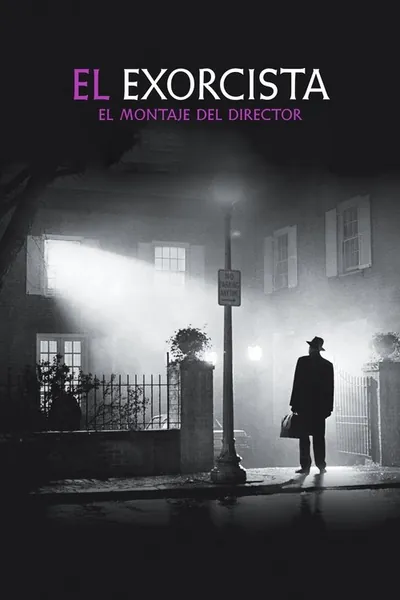 The Exorcist1973
 All the President's Men1976
 The Tin Drum1979
 Chinatown1974
 MASH1970
 Investigation of a Citizen Above Suspicion1970
 A Clockwork Orange1971
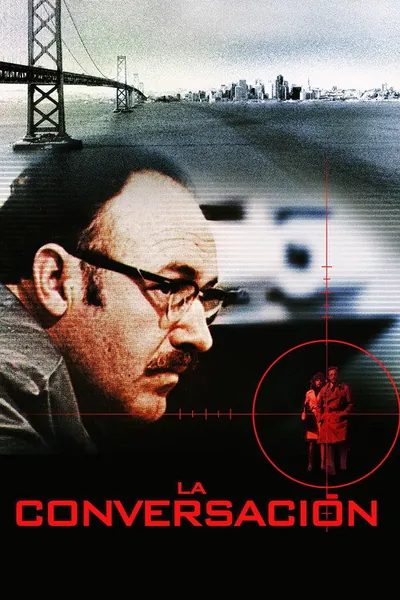 The Conversation1974
 Network1976
 Z1969
 Dersu Uzala1975
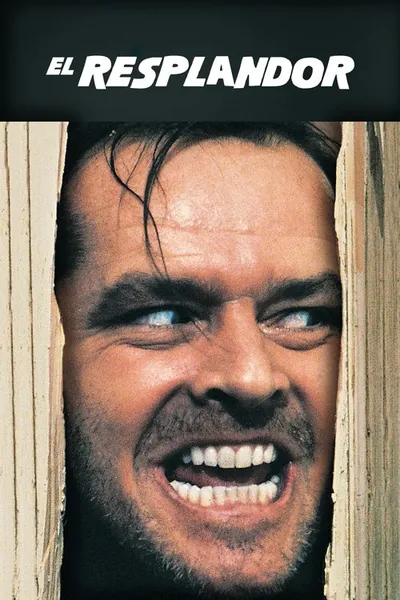 The Shining1980
 Moscow Does Not Believe in Tears1980
 The Discreet Charm of the Bourgeoisie1972
 Midnight Express1978
 The Tree of Wooden Clogs1978
 Dog Day Afternoon1975
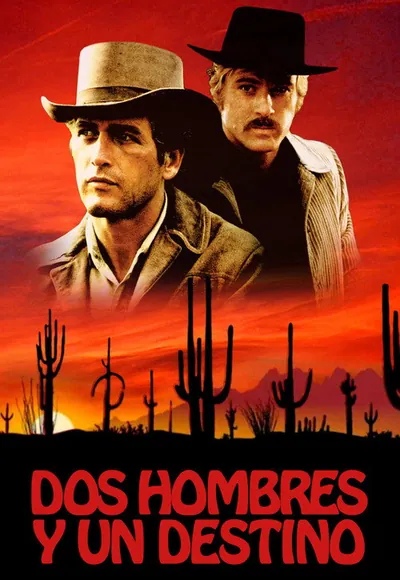 Butch Cassidy and the Sundance Kid1969
 Close Encounters of the Third Kind1977
 Day for Night1973
 The Elephant Man1980
- The Lion in Winter 1968
- Romeo and Juliet 1968
- Once Upon a Time in the West 1968
- Rosemary's Baby 1968
- Planet of the Apes 1968
- Night of the Living Dead 1968
- Funny Girl 1968
- If.... 1968
- Bullitt 1968
- Stolen Kisses 1968
- Barbarella 1968
- Charly 1968
- Artists Under the Big Top: Perplexed 1968
- Rachel, Rachel 1968
- Where Eagles Dare 1968
- Who Saw Him Die? 1968
- Hour of the Wolf 1968
- The Odd Couple 1968
- The Shoes of the Fisherman 1968
- Theorem 1968
- Faces 1968
- The Party 1968
- The Thomas Crown Affair 1968
- Hang 'Em High 1968
- The Subject Was Roses 1968
- Coogan's Bluff 1968
- Ice Station Zebra 1968
- The Heart Is a Lonely Hunter 1968
- The Gendarme Gets Married 1968
- Dracula Has Risen from the Grave 1968
- Isadora 1968
- The Green Berets 1968
- The Bride Wore Black 1968
- Spirits of the Dead 1968
- Shame 1968
- Chitty Chitty Bang Bang 1968
- Shalako 1968
- Star! 1968
- The Love Bug 1968
- Hell in the Pacific 1968
- Mayerling 1968
- The Boston Strangler 1968
- The Devil's Brigade 1968
- The Swimmer 1968
- Bandolero! 1968
- Destroy All Monsters 1968
- The Fixer 1968
- The Girl with the Pistol 1968
- The Tattoo 1968
- Ace High 1968
- Targets 1968
- Madigan 1968
- The Charge of the Light Brigade 1968
- Les Biches 1968
- Farewell, Friend 1968
- Inspector Clouseau 1968
- Guns for San Sebastian 1968
- The Great Silence 1968
- Memories of Underdevelopment 1968
- The Killing of Sister George 1968
- The Scalphunters 1968
- Krakatoa, East of Java 1968
- Bandits in Milan 1968
- Angelique and the Sultan 1968
- Witchfinder General 1968
- Don't Grieve 1968
- The Hour of the Furnaces 1968
- The Day of the Owl 1968
- Solaris 1968
- Live a Little, Love a Little 1968
- Boom! 1968
- Candy 1968
- The Little Bather 1968
- Anzio 1968
- Speedway 1968
- Will Our Heroes Be Able to Find Their Friend Who Has Mysteriously Disappeared in Africa? 1968
- Blackbeard's Ghost 1968
- The Devil Rides Out 1968
- A Place for Lovers 1968
- Zigzag of Success 1968
- The Little Golden Calf 1968
- The Stalking Moon 1968
- Greetings 1968
- Danger: Diabolik 1968
- Django, Prepare a Coffin 1968
- The Return of Monte Cristo 1968
- The Mercenary 1968
- Fire, Water, and Brass Pipes 1968
- 5 Card Stud 1968
- Very Happy Alexander 1968
- Where Were You When the Lights Went Out? 1968
- Psych-Out 1968
- The New Adventures of the Elusive Avengers 1968
- Two Comrades Were Serving 1968
- Manon 70 1968
- Finian's Rainbow 1968
- Wild in the Streets 1968
- The Blood of Fu Manchu 1968
- Kuroneko 1968
- Dead Season 1968
- Buona Sera, Mrs. Campbell 1968
- Yours, Mine and Ours 1968
- Flesh 1968
- Firecreek 1968
- Lady in Cement 1968
- We'll Live Till Monday 1968
- The Girl on a Motorcycle 1968
- Head 1968
- Be Sick... It's Free 1968
- A Quiet Place in the Country 1968
- Three Poplars in Plyushchikha 1968
- The Secret Agent's Blunder 1968
- The Valley of Death 1968
- Dark of the Sun 1968
- Je t'aime, je t'aime 1968
- Benjamin 1968
- The Adventures of Goopy and Bagha 1968
- Stay Away, Joe 1968
- The Brotherhood 1968
- Villa Rides 1968
- Run, Man, Run! 1968
- Mandabi 1968
- A Dandy in Aspic 1968
- Sympathy for the Devil 1968
- Galileo 1968
- No Path Through Fire 1968
- To Love 1968
- Signs of Life 1968
- Beyond the Law 1968
- Carry On Up the Khyber 1968
- The Detective 1968
- Secret Ceremony 1968
- Will Penny 1968
- Death Laid an Egg 1968
- An Old, Old Tale 1968
- The Anniversary 1968
- Hellfighters 1968
- Custer of the West 1968
- I Love You, Alice B. Toklas 1968
- The Green Slime 1968
- Singer Presents... Elvis 1968
- The Sea Gull 1968
- Le Pacha 1968
- OSS 117 - Double Agent 1968
- Spring on the Oder 1968
- Vixen! 1968
- Woman's World 1968
- Layer Cake 1968
- The Stone Cross 1968
- Sofiya Perovskaya 1968
- Private Life of Kuzyayev Valentin 1968
- The Column 1968
- Gates to Paradise 1968
- Death by Hanging 1968
- The Magus 1968
- The Libertine 1968
- The Chronicle of Anna Magdalena Bach 1968
- Today We Kill, Tomorrow We Die! 1968
- Serafino 1968
- La Chamade 1968
- Gamera vs. Viras 1968
- Lucía 1968
- Once More About Love 1968
- Intervention 1968
- I Loved You 1968
- The Sixth of July 1968
- Your Contemporary 1968
- No Way to Treat a Lady 1968
- Fando and Lis 1968
- Sons of Satan 1968
- 99 Women 1968
- Kill Them All and Come Back Alone 1968
- I Was Nineteen 1968
- Partner 1968
- Blood and Guns 1968
- Brahmachari 1968
- The Olsen Gang 1968
- The Sands of Kurobe 1968
- The Castle 1968
- With Six You Get Eggroll 1968
- A Lovely Way to Die 1968
- The Split 1968
- Sweden: Heaven and Hell 1968
- The Man Who Lies 1968
- Petulia 1968
- Salt and Pepper 1968
- The Doll 1968
- The Committee 1968
- Falling Leaves 1968
- Tough Nut 1968
- It Rains in My Village 1968
- Ho! 1968
- The Long Day's Dying 1968
- Journey to Shiloh 1968
- Naked Childhood 1968
- Golden Swallow 1968
- Capricious Summer 1968
- Trembita 1968
- Day of Sun and Rain 1968
- Three Days of Viktor Chernyshov 1968
- Goal! Goal! Another Goal! 1968
- Magician 1968
- Aashirwad 1968
- I Have Two Mothers and Two Fathers 1968
- Chronicles of a Dive Bomber 1968
- Day of the Evil Gun 1968
- Hot Millions 1968
- Wonderwall 1968
- Skidoo 1968
- A Long Ride from Hell 1968
- One Night... A Train 1968
- Ringo the Lone Rider 1968
- Curse of the Crimson Altar 1968
- Pretty Poison 1968
- Spur des Falken 1968
- Kingdom in the Clouds 1968
- Monterey Pop 1968
- I Want Him Dead 1968
- The Profound Desire of the Gods 1968
- The Birthday Party 1968
- The Longest Most Meaningless Movie in the World 1968
- Succubus 1968
- Pride and Vengeance 1968
- Sexy Susan Sins Again 1968
- Cemetery Without Crosses 1968
- Come Play with Me 1968
- Neel Kamal 1968
- 13 Days in France 1968
- Don't Take God's Children for Wild Geese 1968
- Commandos 1968
- The Seven Cervi Brothers 1968
- Moabite Notebook 1968
- Unusual Exhibition 1968
- An Incident That No One Noticed 1968
- Tatyana's Day 1968
- Degree of Risk 1968
- Perekhodnyy Vozrast 1968
- Three Sad Tigers 1968
- I Am Curious (Blue) 1968
- Duniya 1968
- Matthew's Days 1968
- Save the Drowning Man 1968
- Invasión 1968
- Carne 1968
- Dead Men Don't Count 1968
- Taste of Vengeance 1968
- Black Lizard 1968
- Let Them Talk 1968
- They Came to Rob Las Vegas 1968
- The Last Roman 1968
- A Sky Full of Stars for a Roof 1968
- Hell in Normandy 1968
- If You Meet Sartana Pray for Your Death 1968
- Silence and Cry 1968
- The Girls 1968
- Death Sentence 1968
- Black Jesus 1968
- They Call Us Misfits 1968
- The Lost Continent 1968
- Deadfall 1968
- Torture Me But Kill Me with Kisses 1968
- Dear Caroline 1968
- Charlie Bubbles 1968
- Here We Go Round the Mulberry Bush 1968
- Woman in Chains 1968
- The Blonde from Peking 1968
- Sapno Ka Saudagar 1968
- Birds in Peru 1968
- 24 Hours in the Life of a Woman 1968
- Mr. Kinky 1968
- A Black Veil for Lisa 1968
- The Sweet Body of Deborah 1968
- Our Lady of the Turks 1968
- A Complicated Girl 1968
- Samoa, Queen of the Jungle 1968
- The Mysterious Monk 1968
- Don't Raise the Bridge, Lower the River 1968
- Jhuk Gaya Aasman 1968
- A Literature Lesson 1968
- Go for It, Baby 1968
- The Zombie Walks 1968
- How to Irritate People 1968
- Pistol for a Hundred Coffins 1968
- The Last Night of Childhood 1968
- Requiem for a Gringo 1968
- Stars of Eger 1968
- Diary of a Shinjuku Thief 1968
- Find a Place to Die 1968
- The Gorilla of Soho 1968
- Bury Them Deep 1968
- The Incredibly Sad Princess 1968
- A Hole in the Forehead 1968
- Padosan 1968
- Kekec's Tricks 1968
- The Mark of the Wolfman 1968
- Countess Cosel 1968
- Thunderbird 6 1968
- Twisted Nerve 1968
- Vengeance 1968
- Great Catherine 1968
- Kill! 1968
- The Vengeance of She 1968
- Young Wolves 1968
- Summit 1968
- Stress Is Three 1968
- A Fine Pair 1968
- A Film Like Any Other 1968
- Two Undercover Angels 1968
- Big Baby Doll 1968
- Anyone Can Play 1968
- Mars 1968
- Madigan's Millions 1968
- Great Green Valley 1968
- Annychka 1968
- Descendants of Cain 1968
- Eve 1968
- Girls in the Sun 1968
- Oedipus the King 1968
- Tevye and His Seven Daughters 1968
- Sunghursh 1968
- The Private Lesson 1968
- Aabroo 1968
- The Human Bullet 1968
- Inga 1968
- Saathi 1968
- Doctor Homer's Brother 1968
- Sardinia Kidnapped 1968
- Moss on the Stones 1968
- Even the Wind Is Afraid 1968
- Wild at Heart 1968
- La Casa de Madame Lulù 1968
- Psexoanálisis 1968
- The Adolescents 1968
- Fear Chamber 1968
- The Amorous Ones 1968
- The Strange World of Coffin Joe 1968
- Between God, the Devil and a Winchester 1968
- Goke, Body Snatcher from Hell 1968
- Sartana Does Not Forgive 1968
- The Ruthless Four 1968
- A Minute to Pray, a Second to Die 1968
- The Magnificent Tony Carrera 1968
- The Hound of Blackwood Castle 1968
- Death in the Red Jaguar 1968
- 15 Scaffolds for a Murderer 1968
- Execution 1968
- Ballad of a Bounty Hunter 1968
- One by One 1968
- Hullumeelsus 1968
- Angel Baby 1968
- Hot Summer 1968
- Kong Island 1968
- Innocence Unprotected 1968
- Corruption 1968
- Coplan Saves His Skin 1968
- Naked You Die 1968
- The Visionaries 1968
- Mood Indigo 1968
- Submarine X-1 1968
- The Blood Beast Terror 1968
- Diamonds for Breakfast 1968
- Do Kaliyaan 1968
- Anokhi Raat 1968
- Naked Person 1968
- Gravitation 1968
- Doctor Glas 1968
- Die Kandidaat 1968
- Escalation 1968
- Franco, Ciccio and the Cheerful Widows 1968
- Notes for a Film on India 1968
- Days of Fire 1968
- The Belle Starr Story 1968
- Gunman Sent by God 1968
- Long Days of Hate 1968
- L'oro del mondo 1968
- The Howl 1968
- Deadly Inheritance 1968
- The Silent Stranger 1968
- Three Supermen at Tokyo 1968
- Seven Pistols for a Massacre 1968
- Ivan Makarovich 1968
- 17th Parallel: Vietnam in War 1968
- Aadmi 1968
- Ankhen (The Eyes) 1968
- Every Bastard a King 1968
- Hammerhead 1968
- Goto, Island of Love 1968
- Train for Durango 1968
- Nights of the Wolf Man 1968
- Better a Widow 1968
- Mere Hamdam Mere Dost 1968
- Mahatma: Life of Gandhi, 1869–1948 1968
- Twelve Sisters 1968
- Shikar 1968
- The Arch 1968
- The Vatican Affair 1968
- Walls 1968
- Three Hours to Love 1968
- Kahin Aur Chal 1968
- Haseena Maan Jayegi 1968
- Aulad 1968
- Kismat 1968
- Izzat 1968
- Mere Huzoor 1968
- The Demolition Squad 1968
- Land of Hypocrisy 1968
- My Wife's Goblin 1968
- Viini postmark 1968
- Three Women 1968
- Feelings 1968
- Woman 1968
- The Splendor of Love 1968
- The Bed 1968
- The Killer Likes Candy 1968
- 24 Hour Lover 1968
- The Nile and the Life 1968
- Zur Hölle mit den Paukern 1968
- May God Forgive You... But I Won't 1968
- Assignment K 1968
- God Made Them... I Kill Them 1968
- Prudence and the Pill 1968
- Trusting Is Good... Shooting Is Better 1968
- Full House for the Devil 1968
- Death and Diamonds 1968
- Man Who Cried for Revenge 1968
- One Dollar Too Many 1968
- Hate Thy Neighbor 1968
- The Nephews of Zorro 1968
- The Longest Hunt 1968
- Here, Beneath the North Star 1968
- Garter Colt 1968
- Killer Adios 1968
- No Graves on Boot Hill 1968
- Something Like Love 1968
- Day After Tomorrow 1968
- Frame Up 1968
- A Little Virtuous 1968
- La rivoluzione sessuale 1968
- Three Resurrected Drunkards 1968
- The Rape of the Vampire 1968
- Saraswatichandra 1968
- Code Name: Red Roses 1968
- The Bliss of Mrs. Blossom 1968
- They Shoot Horses, Don't They? 1969
- On Her Majesty's Secret Service 1969
- Easy Rider 1969
- The Wild Bunch 1969
- Hello, Dolly! 1969
- Topaz 1969
- The Diamond Arm 1969
- True Grit 1969
- Anne of the Thousand Days 1969
- Women in Love 1969
- White Sun of the Desert 1969
- Take the Money and Run 1969
- The Prime of Miss Jean Brodie 1969
- The Damned 1969
- Battle of Britain 1969
- Cactus Flower 1969
- Mackenna's Gold 1969
- The Color of Pomegranates 1969
- My Night at Maud's 1969
- Army of Shadows 1969
- Fellini Satyricon 1969
- Battle of Neretva 1969
- Early Works 1969
- The Italian Job 1969
- La Piscine 1969
- Bob & Carol & Ted & Alice 1969
- Kes 1969
- The Brothers Karamazov 1969
- Goodbye, Mr. Chips 1969
- Marooned 1969
- Medea 1969
- The Bridge at Remagen 1969
- Mississippi Mermaid 1969
- Le clan des siciliens 1969
- Sabata 1969
- Paint Your Wagon 1969
- The Red Tent 1969
- The Secret of Santa Vittoria 1969
- Sweet Charity 1969
- 100 Rifles 1969
- Boot Hill 1969
- This Man Must Die 1969
- Tell Them Willie Boy Is Here 1969
- Pigsty 1969
- Support Your Local Sheriff! 1969
- The Valley of Gwangi 1969
- The Milky Way 1969
- All Monsters Attack 1969
- The Boys of Paul Street 1969
- The Passion of Anna 1969
- The Undefeated 1969
- Blue Movie 1969
- Aradhana 1969
- Che! 1969
- The Brain 1969
- Alice's Restaurant 1969
- The Sterile Cuckoo 1969
- John and Mary 1969
- Castle Keep 1969
- Katzelmacher 1969
- The Cow 1969
- The April Fools 1969
- Burn! 1969
- The Night of Counting the Years 1969
- The Rain People 1969
- The Reivers 1969
- Hibernatus 1969
- Charro! 1969
- Frankenstein Must Be Destroyed 1969
- The Wrecking Crew 1969
- Bhuvan Shome 1969
- Change of Habit 1969
- Mon oncle Benjamin 1969
- Love Is Colder Than Death 1969
- Medium Cool 1969
- Marlowe 1969
- The Cremator 1969
- Ådalen 31 1969
- The Unfaithful Wife 1969
- Spring 1969
- Goodbye, Columbus 1969
- Last Summer 1969
- Love and Anger 1969
- The Gypsy Moths 1969
- A Gentle Woman 1969
- More 1969
- Play Dirty 1969
- Saat Hindustani 1969
- Monte Carlo or Bust! 1969
- The Magic Christian 1969
- Oh! What a Lovely War 1969
- The Happy Ending 1969
- The Bloody Judge 1969
- Gods of the Plague 1969
- Funeral Parade of Roses 1969
- The Computer Wore Tennis Shoes 1969
- The Sorrow and the Pity 1969
- The Assassination Bureau 1969
- Colossus: The Forbin Project 1969
- The Five Man Army 1969
- Scream and Scream Again 1969
- Colonel Wolodyjowski 1969
- Subject for a Short Story 1969
- If It's Tuesday, This Must Be Belgium 1969
- Justine 1969
- Love Is a Funny Thing 1969
- The Bridge 1969
- Downhill Racer 1969
- Gaily, Gaily 1969
- Hunting Scenes from Bavaria 1969
- Qeysar 1969
- Guns of the Magnificent Seven 1969
- The Battle of El Alamein 1969
- Dillinger Is Dead 1969
- The Oblong Box 1969
- The Chairman 1969
- Age of Consent 1969
- The Castle of Fu Manchu 1969
- Double Face 1969
- A Walk with Love and Death 1969
- Everything for Sale 1969
- Sinful Davey 1969
- The Arrangement 1969
- The Conspirators 1969
- Love Circle 1969
- Death of a Gunfighter 1969
- Retribution 1969
- Pirosmani 1969
- The Land 1969
- Young Billy Young 1969
- Staircase 1969
- A Nest of Gentry 1969
- Blood of the Condor 1969
- The Master of Taiga 1969
- The Madwoman of Chaillot 1969
- The Thirteen Chairs 1969
- Marquis de Sade: Justine 1969
- Me, Natalie 1969
- Journey to the Far Side of the Sun 1969
- Alfred the Great 1969
- Joy of Learning 1969
- Under the Sign of Scorpio 1969
- Winning 1969
- The Night of the Following Day 1969
- Police Chief Pepe 1969
- The Seducers 1969
- The Snow Maiden 1969
- Antonio das Mortes 1969
- Sundance and the Kid 1969
- The Girl from Rio 1969
- The Trouble with Girls 1969
- Hunting Flies 1969
- Death Knocks Twice 1969
- The Christmas Tree 1969
- Gamera vs. Guiron 1969
- The Wedding Party 1969
- The Learning Tree 1969
- Les Femmes 1969
- Latitude Zero 1969
- Salesman 1969
- Djamila 1969
- The Illustrated Man 1969
- Chastity 1969
- Model Shop 1969
- Tomorrow, on April 3rd... 1969
- The Living Corpse 1969
- Mama Married 1969
- At War as at War 1969
- On the Way to Berlin 1969
- Dangerous Tour 1969
- Deiva Magan 1969
- Strange People 1969
- Spain Again 1969
- Ring of Bright Water 1969
- Macunaíma 1969
- Ittefaq 1969
- White Wolves 1969
- Venus in Furs 1969
- Charles, Dead or Alive 1969
- Seven Times Seven 1969
- Boy 1969
- Aadmi Aur Insaan 1969
- Stereo 1969
- The Joke 1969
- The Appointment 1969
- The Price of Power 1969
- The Confrontation 1969
- Django the Bastard 1969
- Sam Whiskey 1969
- The Conspiracy of Torture 1969
- Sam's Song 1969
- Flashback 1969
- Stones in the Park 1969
- Return of the One-Armed Swordsman 1969
- Detective Belli 1969
- The Bed Sitting Room 1969
- Wind from the East 1969
- Venus in Furs 1969
- One on Top of the Other 1969
- A Little Crane 1969
- Village Detective 1969
- Ballad of Carl-Henning 1969
- Not Under the Jurisdiction 1969
- The Good Guys and the Bad Guys 1969
- Prince Igor 1969
- The Forgotten Pistolero 1969
- Blaumilch Canal 1969
- Machine Gun McCain 1969
- Moon Zero Two 1969
- Hook, Line & Sinker 1969
- Man on Horseback 1969
- Mosquito Squadron 1969
- Double Suicide 1969
- The Reward's Yours... The Man's Mine 1969
- Land Raiders 1969
- Captain Nemo and the Underwater City 1969
- Eros Plus Massacre 1969
- Honeycomb 1969
- The House That Screamed 1969
- Goyokin 1969
- Madame and Her Niece 1969
- Before Winter Comes 1969
- The Wanton of Spain 1969
- Battle of the Japan Sea 1969
- The Specialists 1969
- Un bellissimo novembre 1969
- Handcuffs 1969
- Life Love Death 1969
- The Upthrown Stone 1969
- The Lady of Monza 1969
- Arthur Rubinstein – The Love of Life 1969
- Birds, Orphans and Fools 1969
- Five for Hell 1969
- I See Naked 1969
- Love of Serafim Frolov 1969
- Virineya 1969
- The Structure of Crystals 1969
- Camille 2000 1969
- Satyakam 1969
- Punisher 1969
- Go, Go, Second Time Virgin 1969
- The Olsen Gang in a Fix 1969
- The Man with the Glass Eye 1969
- Gatling Gun 1969
- Our Teacher Jabish 1969
- Heads or Tails 1969
- Carry On Again Doctor 1969
- The Tough and the Mighty 1969
- L'Amour fou 1969
- House of Pleasure 1969
- Jeene Ki Raah 1969
- Slogan 1969
- Erotissimo 1969
- Casanova: His Youthful Years 1969
- Jeff 1969
- The Bandit 1969
- Khamoshi 1969
- Madame Bovary 1969
- Normal Young Man 1969
- Do Raaste 1969
- The Betrayal 1969
- Uski Roti 1969
- The Old Jar Craftsman 1969
- The Ambush 1969
- The Olympics in Mexico 1969
- I'm an Elephant, Madame 1969
- Night of the Bloody Apes 1969
- Deliciously Amoral 1969
- Fuego 1969
- The Dependent 1969
- Scarabea: How Much Land Does a Man Need? 1969
- Carry On Camping 1969
- Bloody Nitrate 1969
- A Bullet for Sandoval 1969
- Sartana the Gravedigger 1969
- Dead Are Countless 1969
- Death on High Mountain 1969
- A Noose for Django 1969
- Laughter in the Dark 1969
- Monsieur Hawarden 1969
- A Man for Emmanuelle 1969
- Yakeen 1969
- Samurai Banners 1969
- The Gladiators 1969
- All My Good Countrymen 1969
- A Woman for a Season 1969
- The Devil by the Tail 1969
- Diamond Rush 1969
- The Scarlet Lady 1969
- The Seed of Man 1969
- Tenchu! 1969
- A Golden Widow 1969
- Diary of a Telephone Operator 1969
- Shoot Twice 1969
- Adelheid 1969
- The Laughing Woman 1969
- Help Me 1969
- Eagles Over London 1969
- Ms. Stiletto 1969
- Tarzana, the Wild Girl 1969
- Have Sword, Will Travel 1969
- Adimai Penn 1969
- Adimakal 1969
- Ek Phool Do Mali 1969
- Nanguila Tomorrow 1969
- It's Tough Being a Man 1969
- Katrina 1969
- Red Lion 1969
- Simón Bolívar 1969
- The Virgin Soldiers 1969
- Tora-san's Cherished Mother 1969
- Oʻtgan kunlar 1969
- Dead End 1969
- Cardillac 1969
- Cry Chicago 1969
- Brazil Year 2000 1969
- Brief Heaven 1969
- Coup de Grâce 1969
- Don Segundo Sombra 1969
- ...and Four of Them Came to Kill Sartana 1969
- Shinsengumi: Assassins of Honor 1969
- Pippi Goes on Board 1969
- Hurrah, the School Is Burning 1969
- Palaver 1969
- The Toth Family 1969
- Satyricon 1969
- Jazz All Around 1969
- Those Who Wear Glasses 1969
- How, When and with Whom 1969
- Hate Is My God 1969
- Crossplot 1969
- Night of the Serpent 1969
- Can Heironymus Merkin Ever Forget Mercy Humppe and Find True Happiness? 1969
- The Unnaturals 1969
- Hamlet 1969
- Pan-African Festival of Algiers 1969
- The Great Love 1969
- The Archangel 1969
- The Pleasure Pit 1969
- Dharti Kahe Pukarke 1969
- Mr. Freedom 1969
- Rebus 1969
- Under the Sign of the Bull 1969
- When You Hear the Bells 1969
- The Syndicate: A Death in the Family 1969
- One Fine Day 1969
- Carnal Circuit 1969
- Interrabang 1969
- So Sweet... So Perverse 1969
- Where Are You Going All Naked? 1969
- Poppea's Hot Nights 1969
- Shadow of Sartana 1969
- Unknown Woman 1969
- Zingara 1969
- Funny Magic 1969
- Attraction 1969
- Oh, Grandmother's Dead 1969
- Twenty Thousand Dollars for Seven 1969
- 36 Hours to Hell 1969
- A Touch of Love 1969
- David Copperfield 1969
- Aansoo Ban Gaye Phool 1969
- Lost in the Desert 1969
- An-Magritt 1969
- Aya Sawan Jhoom Ke 1969
- Chirag 1969
- Ek Shrimaan Ek Shrimati 1969
- End of a Priest 1969
- Hannibal Brooks 1969
- Something Bitter in the Mouth 1969
- Harry Munter 1969
- Intaqam 1969
- Love and Some Swear Words 1969
- Made in Sweden 1969
- Portrait of Hell 1969
- Sunday 1969
- Some Girls Do 1969
- The Southern Star 1969
- Three Into Two Won't Go 1969
- Duet for Cannibals 1969
- We Are All Demons 1969
- Badi Didi 1969
- Doli 1969
- Pyar Hi Pyar 1969
- A Stranger in Paso Bravo 1969
- The Gold Medal 1969
- Anjal Petti 520 1969
- The Man Who Thought Life 1969
- Pippi Longstocking 1969
- The New Adventures of Snow White 1969
- Aggi Veerudu 1969
- That Woman 1969
- Mother's Heart 1969
- The Witness 1969
- Blind Beast 1969
- Time to Live 1969
- Laughing Is the Best Medicine 1969
- Scorched Earth 1969
- Heintje: A Heart Goes on a Journey 1969
- The Lanfier Colony 1969
- Seven Days Grace 1969
- Island of Lost Girls 1969
- Why Did I Ever Say Yes Twice? 1969
- Dead Body on Broadway 1969
- Clérambard 1969
- Bye Bye Barbara 1969
- Eldridge Cleaver, Black Panther 1969
- A Very Curious Girl 1969
- A Woman on Fire 1969
- An Event 1969
- Wild Angels 1969
- Santo in Dracula's Treasure 1969
- The Avenger 1969
- Il Prof. Dott. Guido Tersilli, primario della clinica Villa Celeste, convenzionata con le mutue 1969
- Love Story 1970
- Tora! Tora! Tora! 1970
- Ryan's Daughter 1970
- Five Easy Pieces 1970
- Airport 1970
- Waterloo 1970
- Kelly's Heroes 1970
- Little Big Man 1970
- The Conformist 1970
- Bed and Board 1970
- Zabriskie Point 1970
- Tristana 1970
- Hercules in New York 1970
- Sunflower 1970
- Cromwell 1970
- They Call Me Trinity 1970
- I Never Sang for My Father 1970
- Beneath the Planet of the Apes 1970
- Two Mules for Sister Sara 1970
- Dodes'ka-den 1970
- Le Cercle Rouge 1970
- Borsalino 1970
- Metello 1970
- Tchaikovsky 1970
- Woodstock 1970
- The Gendarme Takes Off 1970
- Rio Lobo 1970
- The Bird with the Crystal Plumage 1970
- Catch-22 1970
- The Things of Life 1970
- Donkey Skin 1970
- Taste the Blood of Dracula 1970
- The Ballad of Cable Hogue 1970
- Let It Be 1970
- El Topo 1970
- Claire's Knee 1970
- The Great White Hope 1970
- The Private Life of Sherlock Holmes 1970
- Rider on the Rain 1970
- Lovers and Other Strangers 1970
- Count Dracula 1970
- The Wild Child 1970
- A Man Called Horse 1970
- The Butcher 1970
- Soldier Blue 1970
- Diary of a Mad Housewife 1970
- Chisum 1970
- Husbands 1970
- The Molly Maguires 1970
- Darling Lili 1970
- Scrooge 1970
- The Twelve Chairs 1970
- The Last Valley 1970
- The Last Relic 1970
- On a Clear Day You Can See Forever 1970
- Too Late the Hero 1970
- Scars of Dracula 1970
- Valerie and Her Week of Wonders 1970
- How I Unleashed World War II 1970
- The American Soldier 1970
- Cold Sweat 1970
- There Was a Crooked Man... 1970
- Deep End 1970
- A Swedish Love Story 1970
- Beyond the Valley of the Dolls 1970
- Hi, Mom! 1970
- The Confession 1970
- Crime and Punishment 1970
- The Vampire Lovers 1970
- The Party at Kitty and Stud's 1970
- Gimme Shelter 1970
- When Dinosaurs Ruled the Earth 1970
- The Birch Wood 1970
- Performance 1970
- Mera Naam Joker 1970
- The Boys in the Band 1970
- The Policeman 1970
- The Clowns 1970
- L'homme orchestre 1970
- Wanda 1970
- The Pizza Triangle 1970
- Even Dwarfs Started Small 1970
- Bloody Mama 1970
- The Only Game in Town 1970
- The Kremlin Letter 1970
- Michael the Brave 1970
- Adiós, Sabata 1970
- Why Does Herr R. Run Amok? 1970
- O.K. 1970
- The Breach 1970
- Days and Nights in the Forest 1970
- Adventures of the Yellow Suitcase 1970
- The Liberation of L.B. Jones 1970
- Crimes of the Future 1970
- Elvis: That's the Way It Is 1970
- Brewster McCloud 1970
- King Lear 1970
- Joe 1970
- Compañeros 1970
- Uncle Vanya 1970
- El Condor 1970
- Myra Breckinridge 1970
- First Love 1970
- The Landlord 1970
- Hoa-Binh 1970
- One Day in the Life of Ivan Denisovich 1970
- Pippi in the South Seas 1970
- The Owl and the Pussycat 1970
- I Walk the Line 1970
- Barbara the Fair with the Silken Hair 1970
- Landscape After the Battle 1970
- Shine, Shine, My Star 1970
- Ned Kelly 1970
- La Horse 1970
- Summer in the City 1970
- Quiet Days in Clichy 1970
- Gamera vs. Jiger 1970
- Space Amoeba 1970
- Dorian Gray 1970
- The Horror of Frankenstein 1970
- The Strawberry Statement 1970
- The Boat on the Grass 1970
- The Most Beautiful Wife 1970
- The Cheyenne Social Club 1970
- The White Bird Marked with Black 1970
- Monte Walsh 1970
- The Beginning 1970
- By the Lake 1970
- Peace in the Fields 1970
- Chariots of the Gods 1970
- The Railway Children 1970
- You Can't Win 'Em All 1970
- The Adversary 1970
- Violent City 1970
- Brancaleone at the Crusades 1970
- Trog 1970
- No Blade of Grass 1970
- Figures in a Landscape 1970
- Alex in Wonderland 1970
- R.P.M. 1970
- Man and Wife 1970
- The Heroic Ones 1970
- Mive-ye gonah 1970
- It Is Not the Homosexual Who Is Perverse, But the Society in Which He Lives 1970
- The Phantom Tollbooth 1970
- The Pacifist 1970
- Hatchet for the Honeymoon 1970
- Last Known Address 1970
- Johny Mera Naam 1970
- Many Wars Ago 1970
- A Man Called Sledge 1970
- Five Dolls for an August Moon 1970
- King: A Filmed Record... Montgomery to Memphis 1970
- Pippi on the Run 1970
- When Women Had Tails 1970
- Julius Caesar 1970
- The Fifth Day of Peace 1970
- Vengeance 1970
- Getting Straight 1970
- The Adventurers 1970
- Lady Caliph 1970
- The Bear and the Doll 1970
- Le Voyou 1970
- WUSA 1970
- Bombay Talkie 1970
- Attention, Turtle! 1970
- The Return of Saint Luke 1970
- Adam and Eve 1970
- The Ambassador of the Soviet Union 1970
- King Stag 1970
- Dastak 1970
- Late Flowers 1970
- Malkoçoğlu Cem Sultan 1970
- Puppet on a Chain 1970
- Salt of the Black Earth 1970
- I Told You So 1970
- The Hawaiians 1970
- Deadlock 1970
- Mark of the Devil 1970
- The Cruise 1970
- Hornets' Nest 1970
- The Wind's Fierce 1970
- Leo the Last 1970
- Cannon for Cordoba 1970
- The Man Who Haunted Himself 1970
- One More Time 1970
- Trash 1970
- Lovefilm 1970
- The Daydreamer 1970
- The Out-of-Towners 1970
- The Dunwich Horror 1970
- Little Fauss and Big Halsy 1970
- The Honeymoon Killers 1970
- On the Comet 1970
- Start the Revolution Without Me 1970
- The Anonymous Venetian 1970
- Multiple Maniacs 1970
- Wuthering Heights 1970
- The Year of the Cannibals 1970
- Afrikanych 1970
- Family Happiness 1970
- Red Square 1970
- My Good Dad 1970
- Long Live the Bride and Groom 1970
- One Song a Day Takes Mischief Away 1970
- The Cross and the Switchblade 1970
- The Bread and Alley 1970
- Arizona Colt Returns 1970
- Cry of the Banshee 1970
- Fata Morgana 1970
- Cuadecuc, vampir 1970
- The Executioner 1970
- Hello-Goodbye 1970
- The Forbidden Photos of a Lady Above Suspicion 1970
- She Killed in Ecstasy 1970
- Where Spring Comes Late 1970
- Road to Salina 1970
- Lola 1970
- I Killed Einstein, Gentlemen 1970
- The McKenzie Break 1970
- Struggle in Italy 1970
- The Loves of Liszt 1970
- Eden and After 1970
- Once Upon a Time There Was a Singing Blackbird 1970
- Reconstruction 1970
- The Beginner 1970
- Passing Through Moscow 1970
- Green Chains 1970
- Two Days of Miracles 1970
- About Love 1970
- The Secret of the Iron Door 1970
- Secret Agent's Destiny 1970
- The Polynin Case 1970
- Sport, Sport, Sport 1970
- Khilona 1970
- Passenger from the "Equator" 1970
- Schulmädchen-Report 1970
- Apocalypse Joe 1970
- The Garden of Delights 1970
- This Passing Life 1970
- Lone 1970
- Tora-san's Grand Scheme 1970
- Carry On Loving 1970
- Children of Mata Hari 1970
- Behold Homolka 1970
- Wechma 1970
- Carry On Up the Jungle 1970
- Bloomfield 1970
- And Soon the Darkness 1970
- Elle boit pas, elle fume pas, elle drague pas, mais... elle cause ! 1970
- The Reenactment 1970
- Between Miracles 1970
- Jibon Theke Neya 1970
- OSS 117 takes a vacation 1970
- The Cop 1970
- A New Gulliver 1970
- Eyewitness 1970
- Don Franco and Don Ciccio in the Year of Protest 1970
- Dropout 1970
- The President of Borgorosso Football Club 1970
- Death Occurred Last Night 1970
- Satiricosissimo 1970
- Hoffman 1970
- Dead of Summer 1970
- Signs on the Road 1970
- Prem Pujari 1970
- The Green Wall 1970
- Umut 1970
- Witchhammer 1970
- Ali Baba 40 Dongalu 1970
- Director 1970
- Mr. and Mrs. Juan Lamaglia 1970
- Severed Heads 1970
- Malatesta 1970
- Baal 1970
- The Saint of the Sword 1970
- Down with Your Hands... You Scum! 1970
- In Search of Tadzio 1970
- Signals: A Space Adventure 1970
- Roy Colt & Winchester Jack 1970
- Sartana in the Valley of Death 1970
- I Am Sartana 1970
- Scream of the Demon Lover 1970
- More Dollars for the MacGregors 1970
- Pagla Kahin Ka 1970
- The Monsters of Terror 1970
- Have a Good Funeral, My Friend... Sartana Will Pay 1970
- The Scandalous Adventures of Buraikan 1970
- Bali 1970
- Atlantic Wall 1970
- The Demise of Father Mouret 1970
- The Nude Vampire 1970
- Madly 1970
- Safar 1970
- The Adventures of Gerard 1970
- Jannie totsiens 1970
- The Voyeur 1970
- Le Mans 1970
- A Pocketful of Chestnuts 1970
- Lilika 1970
- Il dio serpente 1970
- Awkward Hands 1970
- Strogoff 1970
- Reverend's Colt 1970
- In the Folds of the Flesh 1970
- A Day at the Beach 1970
- The Devil's Servants 1970
- Aansoo Aur Muskan 1970
- The Wolf's Forest 1970
- Crescendo 1970
- Fruit of Paradise 1970
- Thou Shalt Not Covet Thy Fifth Floor Neighbour 1970
- Perfect Friday 1970
- Lokis 1970
- Red Wheat 1970
- The Angry River 1970
- The Walking Stick 1970
- Tora-san's Runaway 1970
- Tora-san, His Tender Love 1970
- My Seven Sons 1970
- Jeevan Mrityu 1970
- Zatoichi Meets Yojimbo 1970
- The Beautiful Girl 1970
- Twenty Paces to Death 1970
- The Chinese Boxer 1970
- Black Lemons 1970
- The Choice 1970
- The Darkest Sword 1970
- The Heirs 1970
- The Palace of Angels 1970
- Django Defies Sartana 1970
- The Man Who Left His Will on Film 1970
- And God Said to Cain 1970
- One Damned Day at Dawn… Django Meets Sartana! 1970
- Cannabis 1970
- Gentlemen in White Vests 1970
- Rough Justice 1970
- Django and Sartana Are Coming... It's the End 1970
- The Falcons 1970
- Challenge of the McKennas 1970
- Madron 1970
- Light the Fuse... Sartana Is Coming 1970
- Akseli and Elina 1970
- Lonely Hearts 1970
- Falling Point 1970
- Ninì Tirabusciò: the Woman Who Invented the Move 1970
- History of Postwar Japan as Told by a Bar Hostess 1970
- The Mushroom 1970
- The Last Grenade 1970
- The Lion Has Seven Heads 1970
- The Games 1970
- Necropolis 1970
- Družba Pere Kvržice 1970
- Angels Without Paradise 1970
- Rendezvous with Dishonour 1970
- Sabata the Killer 1970
- Sartana Kills Them All 1970
- We and Our Mountains 1970
- A Simple Story 1970
- Aan Milo Sajna 1970
- Entertaining Mr Sloane 1970
- Epilog norymberski 1970
- Ishq Par Zor Nahin 1970
- Live Today, Die Tomorrow! 1970
- Mere Humsafar 1970
- Kongi's Harvest 1970
- Purab Aur Paschim 1970
- Samskara 1970
- Sharafat 1970
- Twenty Thousand Dollars for Every Corpse 1970
- Priya 1970
- Rancheros 1970
- My Sweet Orange Tree 1970
- The Mind of Mr. Soames 1970
- Burduš 1970
- Heer Raanjha 1970
- The Nameless Knight 1970
- Fadime 1970
- Aa Nimisham 1970
- The Complete Idiot 1970
- Die Weibchen 1970
- What Is the Matter with Willi? 1970
- Paths of War 1970
- Connecting Rooms 1970
- Hey Amigo! A Toast to Your Death 1970
- Death Rides Along 1970
- Slap in the Face 1970
- Don't Fumble, Darling 1970
- Pardesi 1970
- Matalo! 1970
- Dead Men Don't Make Shadows 1970
- Safety Catch 1970
- Operation Snafu 1970
- Du côté d'Orouët 1970
- Invasion 1970
- The Heist 1970
- Le Petit Bougnat 1970
- Insaan Aur Shaitan 1970
- Every Home Should Have One 1970
- Heroic Purgatory 1970
- Fragment of Fear 1970
- Passing Days 1970
- The Fed One 1970
- The Eleventh Commandment 1970
- May Morning 1970
- Tam Lin 1970
- Whale 1970
- Come Have Coffee with Us 1970
- Just Look at Her 1970
- The Unholy Four 1970
- Emiliano Zapata 1970
- The Swinging Confessors 1970
- The Last Picture Show 1971
- The Working Class Goes to Heaven 1971
- Diamonds Are Forever 1971
- Nicholas and Alexandra 1971
- Dirty Harry 1971
- Fiddler on the Roof 1971
- Bedknobs and Broomsticks 1971
- The Go-Between 1971
- Death in Venice 1971
- Willy Wonka & the Chocolate Factory 1971
- Duel 1971
- Klute 1971
- The Big Boss 1971
- The Emigrants 1971
- Johnny Got His Gun 1971
- Duck, You Sucker! 1971
- The Decameron 1971
- Harold and Maude 1971
- Bananas 1971
- The Hospital 1971
- Straw Dogs 1971
- THX 1138 1971
- The Andromeda Strain 1971
- Sunday Bloody Sunday 1971
- Gentlemen of Fortune 1971
- Summer of '42 1971
- Shaft 1971
- Escape from the Planet of the Apes 1971
- McCabe & Mrs. Miller 1971
- And Now for Something Completely Different 1971
- The Omega Man 1971
- Play Misty for Me 1971
- Mary, Queen of Scots 1971
- Get Carter 1971
- Carnal Knowledge 1971
- Two English Girls 1971
- The Beguiled 1971
- Sacco and Vanzetti 1971
- The Panic in Needle Park 1971
- The Devils 1971
- Macbeth 1971
- Red Sun 1971
- Trinity Is Still My Name 1971
- The Twelve Chairs 1971
- Walkabout 1971
- Twitch of the Death Nerve 1971
- Kotch 1971
- Anand 1971
- Le Mans 1971
- The Anderson Tapes 1971
- Vanishing Point 1971
- The Cat o' Nine Tails 1971
- Big Jake 1971
- Godzilla vs. Hedorah 1971
- Four Flies on Grey Velvet 1971
- Joe: The Busy Body 1971
- Murmur of the Heart 1971
- Max et les ferrailleurs 1971
- Le Chat 1971
- Two-Lane Blacktop 1971
- Sometimes a Great Notion 1971
- Vampyros Lesbos 1971
- The Abominable Dr. Phibes 1971
- The Legend of Frenchie King 1971
- Traffic 1971
- The Burglars 1971
- A New Leaf 1971
- Delusions of Grandeur 1971
- Confessions of a Police Captain 1971
- Countess Dracula 1971
- Taking Off 1971
- Return of Sabata 1971
- Wake in Fright 1971
- The Flight 1971
- Officers 1971
- Murphy's War 1971
- The Light at the Edge of the World 1971
- Lawman 1971
- Hannie Caulder 1971
- $ 1971
- Belorussian Station 1971
- Who Is Harry Kellerman and Why Is He Saying Those Terrible Things About Me? 1971
- The Widow Couderc 1971
- A Lizard in a Woman's Skin 1971
- A Touch of Zen 1971
- Man in the Wilderness 1971
- Von Richthofen and Brown 1971
- 10 Rillington Place 1971
- Melody 1971
- Sweet Sweetback's Baadasssss Song 1971
- Bless the Beasts and Children 1971
- The Boy Friend 1971
- In the Name of the Italian People 1971
- Just Before Nightfall 1971
- W.R.: Mysteries of the Organism 1971
- Zeppelin 1971
- The House That Dripped Blood 1971
- Twins of Evil 1971
- The Hunting Party 1971
- The Hired Hand 1971
- Shoot Out 1971
- Minnie and Moskowitz 1971
- The Deadly Trap 1971
- The Crown of the Russian Empire, or Once Again the Elusive Avengers 1971
- Rum Runners 1971
- Ten Days' Wonder 1971
- Catlow 1971
- Lady Frankenstein 1971
- 200 Motels 1971
- Hare Rama Hare Krishna 1971
- Pink Narcissus 1971
- The Married Couple of the Year Two 1971
- Blood from the Mummy's Tomb 1971
- The Priest's Wife 1971
- Wild Rovers 1971
- See No Evil 1971
- Someone Behind the Door 1971
- Valdez Is Coming 1971
- The Trojan Women 1971
- Blood on Satan's Claw 1971
- The Seven Brides of Lance-Corporal Zbruyev 1971
- The Tales of Beatrix Potter 1971
- Whity 1971
- In Prison Awaiting Trial 1971
- Perched on a Tree 1971
- Company Limited 1971
- Support Your Local Gunfighter 1971
- Love 1971
- The Touch 1971
- Secret Fantasy 1971
- Kati Patang 1971
- Born to Win 1971
- Punishment Park 1971
- When Eight Bells Toll 1971
- The Music Lovers 1971
- The Bloodstained Butterfly 1971
- Four Nights of a Dreamer 1971
- Caravan 1971
- Emitaï 1971
- How Tasty Was My Little Frenchman 1971
- Beware of a Holy Whore 1971
- I, Monster 1971
- Pretty Maids All in a Row 1971
- Daughters of Darkness 1971
- Cisco Pike 1971
- It Only Happens to Others 1971
- Raid on Rommel 1971
- Lust for a Vampire 1971
- Dr. Jekyll and Sister Hyde 1971
- Evdokia 1971
- A Girl in Australia 1971
- The Strange Vice of Mrs. Wardh 1971
- Without Apparent Motive 1971
- Shadow 1971
- The Horsemen 1971
- Uphaar 1971
- 'Tis Pity She's a Whore 1971
- Captain Apache 1971
- Black Belly of the Tarantula 1971
- Joe Hill 1971
- Blackie the Pirate 1971
- Dracula vs. Frankenstein 1971
- The Gang That Couldn't Shoot Straight 1971
- Guddi 1971
- A Gunfight 1971
- Gamera vs. Zigra 1971
- Billy Jack 1971
- The Organization 1971
- Fools' Parade 1971
- Lady Liberty 1971
- Plaza Suite 1971
- Goodbye Uncle Tom 1971
- A Long Goodbye 1971
- You and Me 1971
- Maddalena 1971
- Doc 1971
- I Hate Mondays 1971
- The Nightcomers 1971
- The Last Movie 1971
- The Mephisto Waltz 1971
- The Barefoot Executive 1971
- A Barrel Full of Dollars 1971
- The Hellstrom Chronicle 1971
- Bad Man's River 1971
- 1870 1971
- Blindman 1971
- Family Life 1971
- Parwana (Moth) 1971
- Short Night of Glass Dolls 1971
- The Ceremony 1971
- Hail, Mary! 1971
- Such Good Friends 1971
- Goya or the Hard Way to Enlightenment 1971
- Bleak Moments 1971
- There's Always Vanilla 1971
- The Grissom Gang 1971
- My Uncle Antoine 1971
- The Million Dollar Duck 1971
- The Salamander 1971
- Out 1 1971
- The Case of the Scorpion's Tail 1971
- Marta 1971
- My Name Is Rocco Papaleo 1971
- Silence 1971
- Socrates 1971
- Nights and Loves of Don Juan 1971
- Boys in the Sand 1971
- Yegor Bulychov and Others 1971
- Oh, That Nastya! 1971
- Porcupines Are Born Without Bristles 1971
- Four Murders Are Enough, Darling 1971
- Haathi Mere Saathi 1971
- Trotta 1971
- Yesenia 1971
- Carry On Henry 1971
- Kidnapped 1971
- The Devil Came from Akasava 1971
- Long Live Robin Hood 1971
- Land of Silence and Darkness 1971
- Hands of the Ripper 1971
- Creatures the World Forgot 1971
- Emil i Lönneberga 1971
- Family Life 1971
- The New One-Armed Swordsman 1971
- The Shiver of the Vampires 1971
- Chervona Ruta 1971
- Little Tiger of Canton 1971
- Mira 1971
- The Devil's Nightmare 1971
- Slaughter Hotel 1971
- To Die of Love 1971
- Kal Aaj Aur Kal 1971
- Ramparts of Clay 1971
- Man of the Year 1971
- La vacanza (The Vacation) 1971
- A Virgin Among the Living Dead 1971
- The Ballad of Bering and His Friends 1971
- Mission in Kabul 1971
- City of First Love 1971
- Find me, Lyonya! 1971
- Stopwatch 1971
- The Apple War 1971
- The Day Passed 1971
- Walpurgis Night 1971
- The Olsen Gang in Jutland 1971
- The Deadly Avenger of Soho 1971
- Long Live Your Death 1971
- Black Beauty 1971
- Death Walks on High Heels 1971
- Drummer of Vengeance 1971
- A Fistful of Death 1971
- Rookies Run Amok 1971
- The Night Evelyn Came Out of the Grave 1971
- Popsy Pop 1971
- L'Opium et le Bâton 1971
- Sinbad 1971
- Business Is Business 1971
- Prince Bajaja 1971
- Gumshoe 1971
- Under Milk Wood 1971
- Black Seed 1971
- Anubhav 1971
- Mere Apne 1971
- You Are a Widow 1971
- The Iguana with the Tongue of Fire 1971
- Roma Bene 1971
- Drama from Ancient Life 1971
- Dzięcioł 1971
- A Necklace for Beloved 1971
- Annai Velankanni 1971
- A Woman and a Man 1971
- Rickshawkaran 1971
- Andaz 1971
- Friends 1971
- Mera Gaon Mera Desh 1971
- My Wife and the Dog 1971
- Pyar Ki Kahani 1971
- The Blade Spares None 1971
- Unman, Wittering and Zigo 1971
- Villain 1971
- Night Hair Child 1971
- The Duel 1971
- The Body in the Thames 1971
- The Incredible Invasion 1971
- Fever 1971
- Woman of Fire 1971
- Dig Your Grave Friend... Sabata's Coming 1971
- The Price of Death 1971
- Dead Men Ride 1971
- Shoot the Living and Pray for the Dead 1971
- Black Killer 1971
- W Django! 1971
- Spaniards in Paris 1971
- His Name Was King 1971
- Law Breakers 1971
- Agnus Dei 1971
- Bubù 1971
- The Fifth Cord 1971
- Exposed 1971
- Goodbye, Stork, Goodbye 1971
- Easy, Down There! 1971
- A Town Called Bastard 1971
- Smic Smac Smoc 1971
- Rendezvous at Bray 1971
- Viva la Muerte 1971
- Er Più – Storia d'amore e di coltello 1971
- Desert of Fire 1971
- They Have Changed Their Face 1971
- The Case Is Closed, Forget It 1971
- Do Not Commit Adultery 1971
- That's How We Women Are 1971
- When Men Carried Clubs and Women Played Ding-Dong 1971
- Vengeance Is a Dish Served Cold 1971
- Scipio the African 1971
- The Lion's Share 1971
- The Battle of Okinawa 1971
- Something Creeping in the Dark 1971
- Duel of Fists 1971
- Jwala 1971
- Private Road 1971
- Sanjog 1971
- Sharmeelee 1971
- Rakhwala 1971
- Tora-san's Love Call 1971
- Tora-san's Shattered Romance 1971
- Tora-san, the Good Samaritan 1971
- The Missing Clerk 1971
- Buddha Mil Gaya 1971
- The Great Swindle 1971
- Isle of the Snake People 1971
- The Night Digger 1971
- Kill Django... Kill First 1971
- The Vengeance of Dr. Mabuse 1971
- Ballade på Christianshavn 1971
- Trastevere 1971
- Carry On at Your Convenience 1971
- The Designated Victim 1971
- Fright 1971
- Sikkim 1971
- Four Gunmen of the Holy Trinity 1971
- Come to Germany, Pepe 1971
- They Call Me Hallelujah 1971
- Songs of the Sea 1971
- Chitchat on the Nile 1971
- Fantasia Among the Squares 1971
- Angel's Leap 1971
- The Most Gentle Confessions 1971
- Web of the Spider 1971
- The Friends 1971
- King Lear 1971
- Don't Deliver Us from Evil 1971
- The Raging Moon 1971
- Lal Patthar 1971
- Requiem for a Vampire 1971
- Goya, a Story of Solitude 1971
- A Season in Hell 1971
- Love Me Strangely 1971
- Armiamoci e partite! 1971
- Io non spezzo... rompo 1971
- Summer Affair 1971
- Seven Murders for Scotland Yard 1971
- Gang War 1971
- The Man with Icy Eyes 1971
- In Love, Every Pleasure Has Its Pain 1971
- Terrible Day of the Big Gundown 1971
- Raise Your Hands, Dead Man, You're Under Arrest 1971
- The Super Witness 1971
- Oasis of Fear 1971
- The Save the Children Fund Film 1971
- Assault 1971
- Adhikar 1971
- Aap Aye Bahaar Ayee 1971
- Bolesław the Bold 1971
- Elaan 1971
- Ek Nari Ek Brahmachari 1971
- Handicapped Future 1971
- Ra 1971
- Paraya Dhan 1971
- The Statue 1971
- Million Dollar Eel 1971
- Naya Zamana 1971
- Inn of Evil 1971
- Throw Away Your Books, Rally in the Streets 1971
- The Glass Ceiling 1971
- The Wolves 1971
- Time of Storks 1971
- Twenty Girls and the Teachers 1971
- He Was Called Holy Ghost 1971
- Argentine Until Death 1971
- On the Buses 1971
- Eye of the Spider 1971
- They Call Him Cemetery 1971
- His Name Was Holy Ghost 1971
- The Last Traitor 1971
- Aunt Trude from Buxtehude 1971
- The Devil Has Seven Faces 1971
- Holy Water Joe 1971
- FBI Operation Pakistan 1971
- Benny's Bathtub 1971
- My Father, the Ape and I 1971
- Paid in Blood 1971
- Finders Killers 1971
- On the Point of Death 1971
- Holidays in Tyrol 1971
- In the Summertime 1971
- Incontro 1971
- The Central Region 1971
- The Savior 1971
- A Time for Loving 1971
- Homesdale 1971
- Cause of Divorce 1971
- Savage Guns 1971
- The Apprentice 1971
- The Fast Sword 1971
- Last Tango in Paris 1972
- Cries and Whispers 1972
- Solaris 1972
- Aguirre, the Wrath of God 1972
- Deliverance 1972
- The Poseidon Adventure 1972
- Deep Throat 1972
- The Canterbury Tales 1972
- Frenzy 1972
- The Way of the Dragon 1972
- The Mattei Affair 1972
- The Candidate 1972
- Fist of Fury 1972
- The Getaway 1972
- Everything You Always Wanted to Know About Sex 1972
- The Dawns Here Are Quiet 1972
- Travels with My Aunt 1972
- The Last House on the Left 1972
- Sleuth 1972
- Conquest of the Planet of the Apes 1972
- Butterflies Are Free 1972
- Sounder 1972
- Silent Running 1972
- Avanti! 1972
- Pink Flamingos 1972
- The Tall Blond Man with One Black Shoe 1972
- Alfredo, Alfredo 1972
- Joe Kidd 1972
- Jeremiah Johnson 1972
- What's Up, Doc? 1972
- The Bitter Tears of Petra von Kant 1972
- Young Winston 1972
- Fellini's Roma 1972
- Un flic 1972
- Pink Floyd: Live at Pompeii 1972
- Brother Sun, Sister Moon 1972
- Lady Sings the Blues 1972
- Horror Express 1972
- Play It Again, Sam 1972
- The Ruling Class 1972
- This Kind of Love 1972
- The Life and Times of Judge Roy Bean 1972
- Seeta Aur Geeta 1972
- The Heartbreak Kid 1972
- Dracula A.D. 1972 1972
- Sisters 1972
- Man of La Mancha 1972
- César and Rosalie 1972
- Slaughterhouse-Five 1972
- The Harder They Come 1972
- The Assassination of Trotsky 1972
- Alice's Adventures in Wonderland 1972
- 1776 1972
- Indian Summer 1972
- The Mechanic 1972
- The Cowboys 1972
- All the Way, Boys! 1972
- The Merchant of Four Seasons 1972
- State of Siege 1972
- Boxcar Bertha 1972
- Blacula 1972
- Godzilla vs. Gigan 1972
- The New Land 1972
- Old Robbers 1972
- Such a Gorgeous Kid Like Me 1972
- Love in the Afternoon 1972
- The Hot Rock 1972
- What? 1972
- Behind the Green Door 1972
- Man of the East 1972
- Pakeezah 1972
- La Scoumoune 1972
- The Magnificent Seven Ride! 1972
- The Valachi Papers 1972
- Don't Torture a Duckling 1972
- Fat City 1972
- The Effect of Gamma Rays on Man-in-the-Moon Marigolds 1972
- What Have You Done to Solange? 1972
- Chato's Land 1972
- Pete 'n' Tillie 1972
- Walter Defends Sarajevo 1972
- L'aventure, c'est l'aventure 1972
- The Goalkeeper's Fear of the Penalty 1972
- A Reason to Live, a Reason to Die 1972
- Ulzana's Raid 1972
- Images 1972
- The Seduction of Mimi 1972
- Caliber 9 1972
- My Dearest Senorita 1972
- The Scientific Cardplayer 1972
- The Assassination 1972
- Red Psalm 1972
- Shaft's Big Score 1972
- Zee and Co. 1972
- Junior Bonner 1972
- Ben 1972
- Ruslan and Ludmila 1972
- The King of Marvin Gardens 1972
- The Goat Horn 1972
- Antony and Cleopatra 1972
- Vampire Circus 1972
- Taming of the Fire 1972
- Beware! The Blob 1972
- Hot Snow 1972
- Reshma and Shera 1972
- Dr. Popaul 1972
- Happy Go Lucky 1972
- Elvis on Tour 1972
- Prime Cut 1972
- La Vallée 1972
- Sambizanga 1972
- Cats' Play 1972
- All the Colors of the Dark 1972
- The Third Part of the Night 1972
- Who Saw Her Die? 1972
- Napoleon and Samantha 1972
- The Call of the Wild 1972
- Pearl in the Crown 1972
- The Other 1972
- The Most Wonderful Evening of My Life 1972
- The Case of the Bloody Iris 1972
- Frogs 1972
- Bad Company 1972
- Skyjacked 1972
- The Master and Margaret 1972
- And Hope to Die 1972
- Big School-Break 1972
- Slap the Monster on Page One 1972
- Hello and Goodbye 1972
- Property of the Republic 1972
- Point, Point, Comma... 1972
- Tombs of the Blind Dead 1972
- The Wrath of God 1972
- Hapkido 1972
- Bluebeard 1972
- The Visitors 1972
- Z.P.G. 1972
- Dr. Phibes Rises Again 1972
- Tales from the Crypt 1972
- Super Fly 1972
- The Old Maid 1972
- Execution Squad 1972
- Treasure Island 1972
- A Soldier Came Back from the Front 1972
- The Lost Letter 1972
- Swayamvaram 1972
- I Love You Rosa 1972
- Eolomea 1972
- Malpertuis 1972
- Stadium Nuts 1972
- Siddhartha 1972
- Hammersmith Is Out 1972
- Black Turin 1972
- Fuzz 1972
- Your Vice Is a Locked Room and Only I Have the Key 1972
- King Boxer 1972
- Heat 1972
- Dauria 1972
- It Can Be Done Amigo 1972
- Liza 1972
- The Red Queen Kills Seven Times 1972
- Across 110th Street 1972
- Pulp 1972
- The Carey Treatment 1972
- Under the Flag of the Rising Sun 1972
- Lăutarii 1972
- Tout Va Bien 1972
- Savage Messiah 1972
- Follow Me! 1972
- Up the Sandbox 1972
- Quel gran pezzo dell'Ubalda tutta nuda e tutta calda 1972
- Naughty Nun 1972
- Racers 1972
- Bombay to Goa 1972
- One-Armed Boxer 1972
- The Seagull 1972
- The Fourth 1972
- Telegram 1972
- The Last Day 1972
- Empire M 1972
- Koshish 1972
- All Nudity Shall Be Punished 1972
- Be-Imaan 1972
- Dracula, Prisoner of Frankenstein 1972
- Immortal Love 1972
- The Outside Man 1972
- Seven Blood-Stained Orchids 1972
- Pocket Money 1972
- The Cannibal Man 1972
- The New Centurions 1972
- Piya Ka Ghar 1972
- Pope Joan 1972
- Marjoe 1972
- Lone Wolf and Cub: Sword of Vengeance 1972
- Treasure Island 1972
- Faustine and the Beautiful Summer 1972
- Season of the Witch 1972
- The Blood Spattered Bride 1972
- Kansas City Bomber 1972
- The Pied Piper 1972
- We Won't Grow Old Together 1972
- The Italian Connection 1972
- When Women Were Called Virgins 1972
- The Boy from 5B 1972
- Anuraag 1972
- Raja Jani 1972
- Silent Night, Bloody Night 1972
- Nothing But the Night 1972
- Asylum 1972
- Sonny and Jed 1972
- Her Third 1972
- Death Line 1972
- Henry VIII and His Six Wives 1972
- Demons of the Mind 1972
- Tragic Ceremony 1972
- We'll Call Him Andrew 1972
- New Mischief by Emil 1972
- The Grand Duel 1972
- Hearth Fires 1972
- Lady Caroline Lamb 1972
- The Audience 1972
- The Troubles of Alfred 1972
- The Girl on the Broomstick 1972
- The Hassled Hooker 1972
- Baron Blood 1972
- Boccaccio 1972
- Killer 1972
- The Annuity 1972
- The 14 Amazons 1972
- Bawarchi 1972
- The Man Who Quit Smoking 1972
- Morgiana 1972
- Parichay 1972
- White Sister 1972
- Fiorina the Cow 1972
- Crimes of the Black Cat 1972
- Farewell to St. Petersburg 1972
- A Teacher of Singing 1972
- Fear Is the Key 1972
- Zindagi Zindagi 1972
- Russian Field 1972
- Pancho Villa 1972
- Female Prisoner 701: Scorpion 1972
- Too Pretty to Be Honest 1972
- What Am I Doing in the Middle of the Revolution? 1972
- The Summertime Killer 1972
- Oh, to Be on the Bandwagon! 1972
- God Is My Colt .45 1972
- Carry On Matron 1972
- My Dear Killer 1972
- In the Name of the Father 1972
- Gang War in Naples 1972
- Shor 1972
- Ben and Charlie 1972
- The Flower Girl 1972
- Man from Deep River 1972
- The Master Touch 1972
- Chung Kuo, Cina 1972
- The Water Margin 1972
- The Sparrow 1972
- Letter to Jane 1972
- St. Michael Had a Rooster 1972
- Moon Skin 1972
- Life Is Tough 1972
- When Women Lost Their Tails 1972
- The All-Naked Horse 1972
- Northern Crusades 1972
- Endless Night 1972
- Laksamana Do Re Mi 1972
- Raaste Kaa Patthar 1972
- Mirage 1972
- Amuck! 1972
- Tecumseh 1972
- National Mechanics 1972
- Days of '36 1972
- The Boxer from Shantung 1972
- Franz 1972
- The Olsen Gang's Big Score 1972
- Tower of Evil 1972
- Carry On Abroad 1972
- God in Heaven... Arizona on Earth 1972
- Mere Jeevan Saathi 1972
- And the Crows Will Dig Your Grave 1972
- Fear in the Night 1972
- The Saplings 1972
- To Be Twenty in the Aures 1972
- The Monk 1972
- Doomwatch 1972
- Dear Louise 1972
- Lone Wolf and Cub: Baby Cart at the River Styx 1972
- The Bar at the Crossing 1972
- Crazy Boys in Spain 1972
- The Iron Rose 1972
- The True Nature of Bernadette 1972
- The Killer Is on the Phone 1972
- House of 1000 Pleasures 1972
- Chronicle of a Homicide 1972
- The Daughter of Dracula 1972
- Master of Love 1972
- So Sweet, So Dead 1972
- Go Away! Trinity Has Arrived in Eldorado 1972
- Bansi Birju 1972
- With Clean Hands 1972
- Doppia coppia con Regina 1972
- Garam Masala 1972
- Do Chor 1972
- The Big Bust Out 1972
- Execution in Autumn 1972
- Joroo Ka Ghulam 1972
- João and the Knife 1972
- Maya Darpan 1972
- Tora-san's Dream-Come-True 1972
- Tora-san's Dear Old Home 1972
- Jaban 1972
- Samadhi 1972
- A Thousand and One Hands 1972
- Blood Feast 1972
- Alleluja & Sartana are Sons... Sons of God 1972
- The Bloodstained Lawn 1972
- Cut-Throats Nine 1972
- Death Walks at Midnight 1972
- Who Killed the Prosecutor and Why? 1972
- The Return of Clint the Stranger 1972
- The Asphyx 1972
- Olsenbanden tar gull 1972
- The Boldest Job in the West 1972
- Affection 1972
- Ape and Super-Ape 1972
- My Horse, My Gun, Your Widow 1972
- Ichijo's Wet Lust 1972
- Past and Present 1972
- The Night of the Devils 1972
- Intimate Confessions of a Chinese Courtesan 1972
- Sweet Deception 1972
- Daughter-in-Law 1972
- Shriman Prithviraj 1972
- The Sicilian Connection 1972
- Watch Out Gringo! Sabata Will Return 1972
- Winged Devils 1972
- Delirium 1972
- The Assassin of Rome 1972
- La calandria 1972
- Return of Halleluja 1972
- Jus primae noctis 1972
- The Weapon, the Hour, the Motive 1972
- The Dead Are Alive 1972
- Eye in the Labyrinth 1972
- Pietro l'Aretino's Sinful Nights 1972
- The General Sleeps Standing Up 1972
- Prey of Vultures 1972
- The Sicilian Checkmate 1972
- Sting of the West 1972
- Born to Boogie 1972
- Tears of Blood 1972
- A House Without Boundaries 1972
- Bhai Ho To Aisa 1972
- Blood of the Leopard 1972
- Angry Guest 1972
- The French Sex Murders 1972
- Dil Daulat Duniya 1972
- Do Yaar 1972
- Gora Aur Kala 1972
- Sattar Khan 1972
- Jawani Diwani 1972
- Rani Mera Naam 1972
- The Boy Who Turned Yellow 1972
- The Brutal Boxer 1972
- The Adventures of Barry McKenzie 1972
- The Deer Hunt 1972
- The Casino 1972
- The Lonely Killers 1972
- Vamsha Vriksha 1972
- Jangal Mein Mangal 1972
- How Far Away, How Near 1972
- Pictures of the Old World 1972
- Man of Iron 1972
- Watch Out for ZouZou 1972
- Insect Woman 1972
- December 12th 1972
- Where the Bullets Fly 1972
- The Morals of Ruth Halbfass 1972
- Smile Before Death 1972
- A Free Woman 1972
- Ancora una volta prima di lasciarci 1972
- Workers '71: Nothing About Us Without Us 1972
- The Witches Mountain 1972
- Paris and Love 1972
- Nathalie Granger 1972
- Bless This House 1972
- Female Convict Scorpion: Jailhouse 41 1972
- Bloody Friday 1972
- The Senator Likes Women 1972
- Cry of the Black Wolves 1972
- Sun Seekers 1972
- Deadly Trackers 1972
- The Heath Is Green 1972
- Two Brothers in Trinity 1972
- Kill the Poker Player 1972
- Trouble with Trixie 1972
- The Proud and Damned 1972
- A Day in the Death of Joe Egg 1972
- Beau Masque 1972
- Arcana 1972
- Lone Wolf and Cub: Baby Cart to Hades 1972
- Lone Wolf and Cub: Baby Cart in Peril 1972
- Independence or Death 1972
- The Inner Scar 1972
- Five Leaf Clover 1972
- The Surveyors 1972
- The Matchmaking of Anna 1972
- The Pebbles of Étretat 1972
- São Bernardo 1972
- The Amazing Mr Blunden 1972
- The Triple Echo 1972
- Shadows Unseen 1972
- Blessed Are the Rich 1972
- The Ribald Decameron 1972
- Hector the Mighty 1972
- Get a Girl Out West 1972
- Premarital Experience 1972
- Live and Let Die 1973
- American Graffiti 1973
- Scarecrow 1973
- The Way We Were 1973
- Serpico 1973
- Paper Moon 1973
- Ludwig 1973
- Enter the Dragon 1973
- Mean Streets 1973
- Ivan Vasilievich: Back to the Future 1973
- The Last Detail 1973
- Papillon 1973
- The Day of the Jackal 1973
- Magnum Force 1973
- The Hireling 1973
- Soylent Green 1973
- Distant Thunder 1973
- Sleeper 1973
- Don't Look Now 1973
- A Touch of Class 1973
- The Wicker Man 1973
- The Three Musketeers 1973
- Westworld 1973
- Badlands 1973
- Save the Tiger 1973
- Battle for the Planet of the Apes 1973
- High Plains Drifter 1973
- La Grande Bouffe 1973
- The Paper Chase 1973
- The Spirit of the Beehive 1973
- The Long Goodbye 1973
- Turkish Delight 1973
- Three Wishes for Cinderella 1973
- The Mad Adventures of Rabbi Jacob 1973
- The Golden Voyage of Sinbad 1973
- The Holy Mountain 1973
- O Lucky Man! 1973
- My Name Is Nobody 1973
- Jesus Christ Superstar 1973
- Pat Garrett and Billy the Kid 1973
- Bang the Drum Slowly 1973
- Hitler: The Last Ten Days 1973
- Bobby 1973
- Queen of Fist 1973
- The Satanic Rites of Dracula 1973
- The Hourglass Sanatorium 1973
- Malicious 1973
- The Day of the Dolphin 1973
- Breezy 1973
- Charley Varrick 1973
- The Mother and the Whore 1973
- Only "Old Men" Are Going Into Battle 1973
- The Mackintosh Man 1973
- Emperor of the North 1973
- Two Men in Town 1973
- Cahill U.S. Marshal 1973
- Sssssss 1973
- Le Magnifique 1973
- Cinderella Liberty 1973
- F for Fake 1973
- A Brief Vacation 1973
- Touki Bouki 1973
- The Headless Horseman 1973
- The Crazies 1973
- The Battle of Sutjeska 1973
- Flesh for Frankenstein 1973
- Immoral Tales 1973
- Godzilla vs. Megalon 1973
- The Offence 1973
- Night Flight from Moscow 1973
- Zanjeer 1973
- The Pedestrian 1973
- Ana and the Wolves 1973
- The Train Robbers 1973
- Wedding in Blood 1973
- A Pain in the Ass 1973
- Walking Tall 1973
- Don Juan, or If Don Juan Were a Woman 1973
- Executive Action 1973
- The Invitation 1973
- The Last American Hero 1973
- The Devil in Miss Jones 1973
- The Land of Sannikov 1973
- Shock Treatment 1973
- Flatfoot 1973
- Torso 1973
- The Train 1973
- The Valdez Horses 1973
- The Golden Horns 1973
- Coffy 1973
- Theatre of Blood 1973
- Oklahoma Crude 1973
- Jonathan Livingston Seagull 1973
- Love and Anarchy 1973
- Even Angels Eat Beans 1973
- The Scarlet Letter 1973
- Dillinger 1973
- Scorpio 1973
- The Last of Sheila 1973
- Thriller – A Cruel Picture 1973
- The Burned Barns 1973
- The Laughing Policeman 1973
- Happy New Year 1973
- Daag: A Poem of Love 1973
- The House on Chelouche Street 1973
- Lady Snowblood 1973
- Shaft in Africa 1973
- One Little Indian 1973
- The Friends of Eddie Coyle 1973
- Yaadon Ki Baaraat 1973
- Leptirica 1973
- Summer Wishes, Winter Dreams 1973
- Tidal Wave 1973
- Lucky Luciano 1973
- Garm Hava 1973
- Massacre in Rome 1973
- A Slightly Pregnant Man 1973
- No Place to Hide 1973
- Lost Horizon 1973
- Saudagar 1973
- Abhimaan 1973
- Copernicus 1973
- The Wedding 1973
- The Bad Good Man 1973
- The Legend of Paul and Paula 1973
- The Illumination 1973
- White Lightning 1973
- Baba Yaga 1973
- The Blood Brothers 1973
- The Inheritor 1973
- Showdown 1973
- Giovannona Long-Thigh 1973
- There's No Smoke Without Fire 1973
- The Outfit 1973
- The Love of Mankind 1973
- Stepmom 1973
- Much Ado About Nothing 1973
- Cipollino 1973
- The Seven-Ups 1973
- Duvidha 1973
- Grandmaster 1973
- The Man Who Loved Cat Dancing 1973
- The Tenderness of Wolves 1973
- 3 Giant Men 1973
- The Five Days 1973
- Ash Wednesday 1973
- No Way Out 1973
- Electra Glide in Blue 1973
- How Funny Can Sex Be? 1973
- Battles Without Honor and Humanity 1973
- Karate Girl 1973
- Namak Haraam 1973
- The Iceman Cometh 1973
- Monologue 1973
- Aa Gale Lag Jaa 1973
- Talents and Admirers 1973
- Hopelessly Lost 1973
- A Man Before His Time 1973
- The Creeping Flesh 1973
- The World's Greatest Athlete 1973
- Now Where Did the 7th Company Get To? 1973
- Night Watch 1973
- War Goddess 1973
- Number One 1973
- Cleopatra Jones 1973
- Forbidden Priests 1973
- Heavy Traffic 1973
- Home Sweet Home 1973
- Black Caesar 1973
- Shamus 1973
- The Demons 1973
- We Want the Colonels 1973
- Revolver 1973
- Rugantino 1973
- The Twelve Months 1973
- Police Woman 1973
- Old Walls 1973
- Commander of the Lucky 'Pike' 1973
- Incorrigible Liar 1973
- This Merry Planet 1973
- Days of Betrayal 1973
- Emil and the Piglet 1973
- The Vault of Horror 1973
- White Fang 1973
- Martial Law 1973
- Habla, mudita 1973
- Teresa the Thief 1973
- My Name Is Shanghai Joe 1973
- Giordano Bruno 1973
- The Neptune Factor 1973
- That Sweet Word: Liberty! 1973
- The Edifying and Joyous Story of Colinot 1973
- Seven Deaths in the Cat's Eye 1973
- Mean Frank and Crazy Tony 1973
- Il Boss 1973
- Story of a Cloistered Nun 1973
- The Inconsolable Widow Thanks All Those Who Consoled Her 1973
- Looking for a Man 1973
- Sea Cadet of Northern Fleet 1973
- Anita: Swedish Nymphet 1973
- Gehri Chaal 1973
- Juan Moreira 1973
- High Crime 1973
- Return of the Blind Dead 1973
- The Experts 1973
- The Hunchback of the Morgue 1973
- Murder in a Blue World 1973
- Counselor at Crime 1973
- Little Funny Guy 1973
- Love and Pain and the Whole Damn Thing 1973
- Themroc 1973
- Photography 1973
- Property Is No Longer a Theft 1973
- Redneck 1973
- Dirty Weekend 1973
- Tűzoltó utca 25 1973
- Hail the Artist 1973
- The Dominici Affair 1973
- The Dupes 1973
- The Promised Land 1973
- It Was I 1973
- Female Vampire 1973
- I Don't Know Much 1973
- Heera Panna 1973
- A Doll's House 1973
- A Doll's House 1973
- From Beyond the Grave 1973
- The Devil's Plaything 1973
- My Brother Anastasia 1973
- Anna, the Pleasure, the Torment and Secrets of a Call Girl 1973
- Death Smiles at a Murderer 1973
- Seduction 1973
- Stardust 1973
- Nesimi 1973
- The Seventh Bullet 1973
- Privalov's Millions 1973
- The Earth Is a Sinful Song 1973
- Man – Woman Wanted 1973
- A Man at His Place 1973
- Nirmalyam 1973
- Story of a Love Story 1973
- Heroes in Hell 1973
- The Castle of Purity 1973
- Battle of Berlin 1973
- Reed: Insurgent Mexico 1973
- The Seven Madmen 1973
- Phagun 1973
- Can Dialectics Break Bricks? 1973
- Vengeance of the Zombies 1973
- The Big Store 1973
- Man Called Invincible 1973
- Supermen Against the Orient 1973
- Bawdy Tales 1973
- The Olsen Gang Goes Crazy 1973
- Lone Wolf and Cub: Baby Cart in the Land of Demons 1973
- Death Carries a Cane 1973
- Female Prisoner Scorpion: #701's Grudge Song 1973
- Stateline Motel 1973
- Carry On Girls 1973
- The Hare Census 1973
- A Delicate Balance 1973
- Cannibal Girls 1973
- Toula ou le génie des eaux 1973
- The Fate of Lee Khan 1973
- Escape to Nowhere 1973
- The Woman in Blue 1973
- Tales That Witness Madness 1973
- Digby, the Biggest Dog in the World 1973
- That'll Be the Day 1973
- Mera Desh Mera Dharam 1973
- Achanak 1973
- Joshila 1973
- The Three Musketeers of the West 1973
- Holy God, Here Comes the Passatore! 1973
- The Nun and the Devil 1973
- The Thousand and One Nights of Boccaccio in Canterbury 1973
- Black Magic Rites 1973
- Sinbad and the Caliph of Baghdad 1973
- Bandhe Haath 1973
- Dhund 1973
- Hubal 1973
- Hindustan Ki Kasam 1973
- When Love Is Lust 1973
- Kaadu 1973
- Ulagam Sutrum Valiban 1973
- The Tragedy of Deaf Sam-yong 1973
- Tora-san's Forget Me Not 1973
- Veronica 1973
- Tora-san Loves an Artist 1973
- Jugnu 1973
- Blackmail 1973
- Golgo 13 1973
- The Heroes 1973
- I Kiss the Hand 1973
- Fist of Unicorn 1973
- The Pirate 1973
- Kazablan 1973
- The Experience 1973
- Ardent Summer 1973
- Fasthand 1973
- Mazinger Z vs. Devilman 1973
- Réjeanne Padovani 1973
- The Flying Classroom 1973
- Female Convict Scorpion: Beast Stable 1973
- The Peasants 1973
- The Man Called Noon 1973
- Trip to Vienna 1973
- Ricco the Mean Machine 1973
- The Bloody Vultures of Alaska 1973
- Sex & Fury 1973
- Terrifying Girls' High School: Lynch Law Classroom 1973
- The Assassination of Matteotti 1973
- And Now the Screaming Starts! 1973
- Belle 1973
- The Return of Walpurgis 1973
- The Bride 1973
- Far West 1973
- The Last Snows of Spring 1973
- The Year 01 1973
- Anamika 1973
- The Lonely Woman 1973
- Part-Time Work of a Domestic Slave 1973
- The House of 72 Tenants 1973
- A Full Day's Work 1973
- Love and Gymnastics 1973
- Melodies of Vera Quarter 1973
- Hospitals: The White Mafia 1973
- Obscene Mirror 1973
- The Blue Eyes of the Broken Doll 1973
- Orgy of the Dead 1973
- La Tosca 1973
- Ku-Fu? Dalla Sicilia con furore 1973
- Blood Castle 1973
- The Last Italian Tango 1973
- Gang War in Milan 1973
- No, the Case Is Happily Resolved 1973
- Super Bitch 1973
- The Last Cartridge 1973
- Oļegs un Aina 1973
- Acting Hamlet in the Village of Mrdusa Donja 1973
- Because of the Cats 1973
- A Woman with a Bad Reputation 1973
- Fist to Fist 1973
- The Corruption of Chris Miller 1973
- Kuchhe Dhaage 1973
- Loafer 1973
- Jheel Ke Us Paar 1973
- My Way 1973
- No One Heard the Scream 1973
- The Awaken Punch 1973
- Shareef Budmaash 1973
- The 14 1973
- A River Called Titas 1973
- To Live on Love 1973
- Keemat 1973
- Chhalia 1973
- The First Circle 1973
- Dhamkee 1973
- Once Upon a Time 1973
- The Bell from Hell 1973
- Dream City 1973
- Old Barge, Young Love 1973
- The Sensual Man 1973
- Housewives on the Job 1973
- The Society of the Spectacle 1973
- Deaf Smith & Johnny Ears 1973
- Crazy - Completely Mad 1973
- The Girl from Hong Kong 1973
- The Little Cowboy 1973
- Hubertus Castle 1973
- Football of the Good Old Days 1973
- Halleluja to Vera Cruz 1973
- Mark of the Devil Part II 1973
- Luther 1973
- Explosion 1973
- Israel, Why 1973
- Karate Kiba 1973
- The Countess Died of Laughter 1973
- At the Meeting with Joyous Death 1973
- This Kid Is Ours 1973
- Joanna Francesa 1973
- Count Dracula's Great Love 1973
- The Great Kidnapping 1973
- The Mysterious Island and Captain Nemo 1973
- Those Dirty Dogs 1973
- Le Mataf 1973
- One Russian Summer 1973
- The Furrows 1973
- Chhupa Rustam 1973
- Big Zapper 1973
- Living Apart Together 1973
- You Get It, Man 1973
- Rough Day for the Queen 1973
- Tangsir 1973
- Il sergente Rompiglioni 1973
- Murder on the Orient Express 1974
- The Towering Inferno 1974
- Alice Doesn't Live Here Anymore 1974
- The Man with the Golden Gun 1974
- Young Frankenstein 1974
- Conversation Piece 1974
- Earthquake 1974
- Lenny 1974
- The Texas Chain Saw Massacre 1974
- Blazing Saddles 1974
- Emmanuelle 1974
- Bread and Chocolate 1974
- A Woman Under the Influence 1974
- Harry and Tonto 1974
- The Great Gatsby 1974
- The Apprenticeship of Duddy Kravitz 1974
- The Sugarland Express 1974
- Death Wish 1974
- Lacombe, Lucien 1974
- The Enigma of Kaspar Hauser 1974
- Scent of a Woman 1974
- Drama of the Rich 1974
- The Phantom of Liberty 1974
- The Night Porter 1974
- Ali: Fear Eats the Soul 1974
- The Front Page 1974
- Dark Star 1974
- Black Christmas 1974
- Thunderbolt and Lightfoot 1974
- The Parallax View 1974
- Arabian Nights 1974
- The Taking of Pelham One Two Three 1974
- Alice in the Cities 1974
- The Four Musketeers 1974
- Zardoz 1974
- The Deluge 1974
- The Longest Yard 1974
- Airport 1975 1974
- Bring Me the Head of Alfredo Garcia 1974
- Unbelievable Adventures of Italians in Russia 1974
- The Red Snowball Tree 1974
- Jacob the Liar 1974
- The Legend of the 7 Golden Vampires 1974
- Watch Out, We're Mad! 1974
- The Odessa File 1974
- We All Loved Each Other So Much 1974
- Phantom of the Paradise 1974
- Going Places 1974
- The Black Windmill 1974
- Godzilla vs. Mechagodzilla 1974
- The Clockmaker 1974
- Animals Are Beautiful People 1974
- The Yakuza 1974
- Swept Away 1974
- The Return of the Tall Blond Man with One Black Shoe 1974
- Borsalino & Co. 1974
- The Tamarind Seed 1974
- Blood for Dracula 1974
- Thieves Like Us 1974
- Juggernaut 1974
- Mr. Majestyk 1974
- It's Alive 1974
- Céline and Julie Go Boating 1974
- The Little Prince 1974
- Daisy Miller 1974
- Vincent, François, Paul and the Others 1974
- Sweet Movie 1974
- Herbie Rides Again 1974
- Foxy Brown 1974
- The Lords of Flatbush 1974
- Stavisky 1974
- Lancelot of the Lake 1974
- Billy Two Hats 1974
- McQ 1974
- Allonsanfàn 1974
- The Land That Time Forgot 1974
- Ankur 1974
- The Slap 1974
- Zandy's Bride 1974
- The Island at the Top of the World 1974
- And Now My Love 1974
- Two Missionaries 1974
- Come Home and Meet My Wife 1974
- The Truce 1974
- Sandakan No. 8 1974
- Female Trouble 1974
- Flesh Gordon 1974
- Lucky Pierre 1974
- Benji 1974
- Last Days of Mussolini 1974
- At Home Among Strangers 1974
- For Pete's Sake 1974
- Effi Briest 1974
- Moscow-Cassiopeia 1974
- Don't Touch the White Woman! 1974
- The Marseille Contract 1974
- Conrack 1974
- Gone in 60 Seconds 1974
- That's Entertainment! 1974
- A Lover's Romance 1974
- And Then There Were None 1974
- Let Sleeping Corpses Lie 1974
- Cousin Angelica 1974
- Caged Heat 1974
- Phase IV 1974
- Chinese in Paris 1974
- Gold 1974
- Love at the Top 1974
- Je Tu Il Elle 1974
- Frankenstein and the Monster from Hell 1974
- Mahler 1974
- The Voyage 1974
- Icy Breasts 1974
- The Golden Fortress 1974
- Claudine 1974
- Coonskin 1974
- The Cars That Ate Paris 1974
- Till Marriage Do Us Part 1974
- The Last Exploits of the Olsen Gang 1974
- Moscow, My Love 1974
- Majboor 1974
- Dirty Mary, Crazy Larry 1974
- Ransom 1974
- The Holes 1974
- Violins at the Ball 1974
- Rebellion in Patagonia 1974
- Death and the Dervish 1974
- Martha 1974
- Deranged 1974
- Flower and Snake 1974
- Open Season 1974
- The Spikes Gang 1974
- Antonia: A Portrait of the Woman 1974
- The Gambler 1974
- Hearts and Minds 1974
- Appassionata 1974
- Rajnigandha 1974
- The Klansman 1974
- Ksenia, Fedor's Beloved Wife 1974
- Vanyushin's Children 1974
- The Silence of Dr. Evans 1974
- Remember Your Name 1974
- Autumn 1974
- Tsarevich Prosha 1974
- Dost 1974
- The Man from Hong Kong 1974
- Him 1974
- Dick Turpin 1974
- Dark Places 1974
- The Man Who Sleeps 1974
- Somewhere Beyond Love 1974
- California Split 1974
- Flavia the Heretic 1974
- Karlsson on the Roof 1974
- One or the Other of Us 1974
- Moses the Lawgiver 1974
- Nada 1974
- Kunwara Baap 1974
- The Infernal Trio 1974
- SPYS 1974
- Policewoman 1974
- The Race of Lords 1974
- Games Gamblers Play 1974
- Lovers and Other Relatives 1974
- The Republic of Užice 1974
- Freebie and the Bean 1974
- Poker in Bed 1974
- Madhouse 1974
- The Killer Reserved Nine Seats 1974
- 99 and 44/100% Dead! 1974
- The Love of Captain Brando 1974
- Lovin' Molly 1974
- Pastoral: To Die in the Country 1974
- No Return 1974
- With You and Without You 1974
- Birds over the City 1974
- Lisa and the Devil 1974
- The Woman in Red Boots 1974
- Deathdream 1974
- A Jungle Book of Regulations 1974
- Sadsacks Go to War 1974
- The Secret 1974
- Almost Human 1974
- Chor Machaye Shor 1974
- What Have They Done to Your Daughters? 1974
- The Driver's Seat 1974
- Successive Slidings of Pleasure 1974
- General Idi Amin Dada: A Self Portrait 1974
- How to Succeed When You're a Jerk and a Crybaby 1974
- Orders 1974
- The Mouth Agape 1974
- The Middle of the World 1974
- No Pockets in a Shroud 1974
- Goaway and Twobriefcases 1974
- Matters of the Heart 1974
- Adventures in a City that does not Exist 1974
- 27 Down 1974
- Electra, My Love 1974
- Kora Kagaz 1974
- Roti Kapda Aur Makaan 1974
- The Golden Lotus 1974
- Long-Haired Wonder 1974
- The Street Fighter 1974
- Castle of Sand 1974
- Special Killers 1974
- Sister Street Fighter 1974
- Himiko 1974
- Carry On Dick 1974
- Five Shaolin Masters 1974
- Free Love 1974
- The Mutations 1974
- Puzzle 1974
- Dunderklumpen! 1974
- Captain Kronos: Vampire Hunter 1974
- Rabid Dogs 1974
- Street Law 1974
- Şeytan 1974
- My Little Loves 1974
- The Antichrist 1974
- The Abdication 1974
- Verdict 1974
- While There's War There's Hope 1974
- To My Dear Mother on the Day of Her Birthday 1974
- The Governess 1974
- La minorenne 1974
- The Beautiful Summer 1974
- Virility 1974
- Emergency Squad 1974
- Vampyres 1974
- Craze 1974
- Countermeasure 1974
- Wedding Trough 1974
- Under a Stone Sky 1974
- A Very English Murder 1974
- Benaam 1974
- Madhosh 1974
- Sagina 1974
- The Last Summer 1974
- The Last Adventure 1974
- Kasauti 1974
- Cry of a Prostitute 1974
- The Traveler 1974
- Nuits Rouges (Red Nights) 1974
- Challenge to White Fang 1974
- The Ghost Galleon 1974
- Charleston 1974
- Only the Wind Knows the Answer 1974
- Apple in the River 1974
- Fimpen 1974
- Seizure 1974
- Vampira 1974
- The White Dawn 1974
- The Beast Must Die 1974
- The Perfume of the Lady in Black 1974
- Eugenie de Sade 1974
- The Ferocious One 1974
- Piaf 1974
- Monika 1974
- A Night at Karlstein 1974
- Stardust 1974
- Bidaai 1974
- Aap Ki Kasam 1974
- Captain Mikula, the Kid 1974
- The Cousin 1974
- Il trafficone 1974
- Innocence and Desire 1974
- Ante Up 1974
- Shoot First, Die Later 1974
- Il domestico 1974
- To Love Ophelia 1974
- Processo per direttissima 1974
- The Internecine Project 1974
- The Street Fighter's Last Revenge 1974
- The Immortals 1974
- Hanuman and the Five Riders 1974
- Attila 74: The Rape of Cyprus 1974
- Amir Garib 1974
- One Way or Another 1974
- The Nest 1974
- Life Size 1974
- Prem Nagar 1974
- Lovers in the Year One 1974
- Stone 1974
- Tora-san's Lovesick 1974
- Tora-san's Lullaby 1974
- Imtihan 1974
- Sokolovo 1974
- The Ransom of an Alliance 1974
- The White Gown 1974
- Nude for Satan 1974
- Heartbreak Tango 1974
- Quebracho 1974
- Intimacies of a Prostitute 1974
- The Amulet of Ogum 1974
- The Night of the Scarecrow 1974
- White Fang to the Rescue 1974
- Ulzana 1974
- No Gold for a Dead Diver 1974
- Sisyphus 1974
- In Danger and Deep Distress, the Middleway Spells Certain Death 1974
- The Last Fleksnes 1974
- Mariken van Nieumeghen 1974
- Return of the Street Fighter 1974
- A Bigger Splash 1974
- The Regent's Wife 1974
- The Conscript 1974
- Frankenstein's Castle of Freaks 1974
- Lorna the Exorcist 1974
- Black Thursday 1974
- The Young Dragons 1974
- Juliette and Juliette 1974
- Simona 1974
- By the Blood of Others 1974
- Deps 1974
- Wife to Be Sacrificed 1974
- Dear Summer Sister 1974
- Bitter Love 1974
- Beyond the Door 1974
- Return of the Sister Street Fighter 1974
- Five Women for the Killer 1974
- The Profiteer 1974
- Morel's Invention 1974
- I'll Take Her Like a Father 1974
- The Big Snail 1974
- La nipote 1974
- The Prey 1974
- The Shameless Woman 1974
- La sbandata 1974
- Sister Street Fighter: Hanging by a Thread 1974
- Italian Graffiti 1974
- A Handful of Love 1974
- 36 Ghante 1974
- Ajnabee 1974
- Aakraman 1974
- Callan 1974
- Caravan to Vaccarès 1974
- Chattakkari 1974
- Dead Cert 1974
- Do Chattane 1974
- Haath Ki Safai 1974
- Heroes Two 1974
- International Crook 1974
- Prophecies of Nostradamus 1974
- Torment 1974
- Dangerous Games 1974
- Patthar Aur Payal 1974
- Persecution 1974
- School of the Holy Beast 1974
- Weighed But Found Wanting 1974
- Uttarayanam 1974
- Zehreela Insaan 1974
- Parinay 1974
- Humshakal 1974
- Jaime 1974
- Joachim, Put It in the Machine! 1974
- Who Looks for Gold? 1974
- Where Is My Mind? 1974
- The Korean Connection 1974
- The Eerie Midnight Horror Show 1974
- Under the Sign of Voodoo 1974
- Penny Gold 1974
- Reason, Debate and a Story 1974
- Kanyakumari 1974
- Little Malcolm and His Struggle Against the Eunuchs 1974
- House of the Living Dead 1974
- Calzonzin Inspector 1974
- Carambola! 1974
- Super Stooges vs. the Wonder Women 1974
- Charlie and a Half 1974
- Antoine and Sebastian 1974
- Ek Anek Aur Ekta 1974
- Charlotte or The Murdered Young Girl 1974
- Year One 1974
- La cosa buffa 1974
- Les Deux Souris blanches 1974
- The Demoniacs 1974
- The High Solitudes 1974
- The Devil Is a Woman 1974
- The Wonderful Crook 1974
- Charitraheen 1974
- Whichever Way the Ball Bounces 1974
- A forza di sberle 1974
- Farfallon 1974
- Don't Hurt Me, My Love 1974
- Monty Python and the Holy Grail 1975
- Mirror 1975
- Sholay 1975
- Nashville 1975
- Chronicle of the Years of Fire 1975
- Three Days of the Condor 1975
- The Man Who Would Be King 1975
- The Rocky Horror Picture Show 1975
- Salò, or the 120 Days of Sodom 1975
- Shampoo 1975
- Love and Death 1975
- Picnic at Hanging Rock 1975
- The Eiger Sanction 1975
- Adoption 1975
- The Passenger 1975
- The Sunshine Boys 1975
- The Return of the Pink Panther 1975
- Farewell, My Lovely 1975
- The Day of the Locust 1975
- Jeanne Dielman, 23 quai du Commerce, 1080 Bruxelles 1975
- The Promised Land 1975
- Seven Beauties 1975
- Death Race 2000 1975
- Deep Red 1975
- Cousin Cousine 1975
- Le vieux fusil 1975
- The Story of Adèle H. 1975
- French Connection II 1975
- Bite the Bullet 1975
- Tommy 1975
- Funny Lady 1975
- Rollerball 1975
- The Travelling Players 1975
- The Wind and the Lion 1975
- Zorro 1975
- Flic Story 1975
- They Fought for Their Country 1975
- The Hindenburg 1975
- Story of O 1975
- My Friends 1975
- The Great Waldo Pepper 1975
- Mandingo 1975
- The Stepford Wives 1975
- Ilsa, She Wolf of the SS 1975
- Breakheart Pass 1975
- Deewaar (The Wall) 1975
- A Boy and His Dog 1975
- Night Moves 1975
- Emmanuelle 2 1975
- The Magic Flute 1975
- Fantozzi 1975
- Innocents with Dirty Hands 1975
- The Day That Shook the World 1975
- Wrong Move 1975
- The Lost Honour of Katharina Blum 1975
- Shivers 1975
- The Adventures of Buratino 1975
- The Adventure of Sherlock Holmes' Smarter Brother 1975
- The Night Caller 1975
- Capone 1975
- Brannigan 1975
- That Most Important Thing: Love 1975
- Hester Street 1975
- Afonya 1975
- Black Emanuelle 1975
- Nights and Days 1975
- The Drowning Pool 1975
- The Killer Elite 1975
- Black Moon 1975
- Terror of Mechagodzilla 1975
- Let Joy Reign Supreme 1975
- Lucky Lady 1975
- A Genius, Two Partners and a Dupe 1975
- Breakout 1975
- The Fortune 1975
- The Man in the Glass Booth 1975
- Fox and His Friends 1975
- Lovers Like Us 1975
- The Arrows of Robin Hood 1975
- The Prisoner of Second Avenue 1975
- The Beast 1975
- Grey Gardens 1975
- Lisztomania 1975
- Hard Times 1975
- One Hundred Days After Childhood 1975
- Hedda 1975
- Conduct Unbecoming 1975
- Lies My Father Told Me 1975
- Rooster Cogburn 1975
- Hustle 1975
- The Common Man 1975
- The Wilby Conspiracy 1975
- Escape to Witch Mountain 1975
- The Romantic Englishwoman 1975
- Aandhi 1975
- The Captivating Star of Happiness 1975
- It Can't Be! 1975
- Poachers 1975
- Mother Küsters' Trip to Heaven 1975
- The French Detective 1975
- Doc Savage: The Man of Bronze 1975
- The Sunday Woman 1975
- Operation Daybreak 1975
- Incorrigible 1975
- Act of Aggression 1975
- Xala 1975
- The Ultimate Warrior 1975
- The Wild Goose Chase 1975
- Woodpeckers Don't Get Headaches 1975
- The Gypsy 1975
- Give 'em Hell, Harry! 1975
- Once Is Not Enough 1975
- The Count of Monte Cristo 1975
- Finist, the Brave Falcon 1975
- Rosebud 1975
- Katie Tippel 1975
- India Song 1975
- Nishant 1975
- Special Section 1975
- The Big Space Travel 1975
- Mothers and Daughters 1975
- Teens in the Universe 1975
- The White, the Yellow, and the Black 1975
- A Real Young Girl 1975
- Chhoti Si Baat 1975
- The Teasers 1975
- The Wild Party 1975
- The Messiah 1975
- Posse 1975
- Infra-Man 1975
- Mahogany 1975
- Car, Violin and Blot the Dog 1975
- The Flight of Mr. McKinley 1975
- Bonus 1975
- Front Without Flanks 1975
- Manila in the Claws of Light 1975
- Mausam 1975
- Inserts 1975
- Hearts of the West 1975
- The Flesh of the Orchid 1975
- Flatfoot in Hong Kong 1975
- Take a Hard Ride 1975
- Libera, My Love 1975
- Yuppi du 1975
- Down the Ancient Staircase 1975
- Four of the Apocalypse 1975
- The Sex Machine 1975
- Pleasure Party 1975
- Supervixens 1975
- Ivan and Marya 1975
- The Devil's Rain 1975
- The Divine Nymph 1975
- The Bullet Train 1975
- Bug 1975
- It's Raining on Santiago 1975
- Smile 1975
- Take Aim 1975
- Diary of a School Director 1975
- Chomana Dudi 1975
- I Want a Solution 1975
- The Reincarnation of Peter Proud 1975
- The Story of Sin 1975
- Royal Flash 1975
- Maîtresse 1975
- The School Teacher 1975
- The Chaos Class 1975
- Mili 1975
- The Strongest Man in the World 1975
- How to Drown Dr. Mráček, the Lawyer 1975
- Eyeball 1975
- Savage Man Savage Beast 1975
- The Image 1975
- Chupke Chupke 1975
- Blue Jeans 1975
- Here and Elsewhere 1975
- The Battle of Chile 1975
- Duck in Orange Sauce 1975
- Lover Boy 1975
- Seven Deaths on Prescription 1975
- What's Your Sign? 1975
- Anna Karenina 1975
- The Family Vice 1975
- Strip Nude for Your Killer 1975
- Number Two 1975
- Footprints on the Moon 1975
- Paper Tiger 1975
- Upright Magic 1975
- Earthly Love 1975
- Julie 1975
- Dharmatma 1975
- Zameer 1975
- At the World's Limit 1975
- The Cycle 1975
- The Olsen Gang on the Track 1975
- Galileo 1975
- The Fossil 1975
- Lotte in Weimar 1975
- The Suspicious Death of a Minor 1975
- The Last Message 1975
- The Immortal Bachelor 1975
- End of the Game 1975
- Emanuelle's Revenge 1975
- Last Stop on the Night Train 1975
- Sensations 1975
- The Suspect 1975
- Pastorale 1975
- Cookies 1975
- The Man Who Skied Down Everest 1975
- The Virgin Wife 1975
- Day of Admittance on Personal Matters 1975
- Other People's Letters 1975
- Step Forward 1975
- A Woman's Decision 1975
- Hotel Pacific 1975
- The Lost Expedition 1975
- From Dawn Till Sunset 1975
- Nazareno Cruz and the Wolf 1975
- La Raulito 1975
- Cry, Onion! 1975
- The Stranger and the Gunfighter 1975
- Mistress of the Devil 1975
- Per 1975
- Sex Pot 1975
- Zig-Zig 1975
- Aloïse 1975
- Africa Express 1975
- Pussy Talk 1975
- Syndicate Sadists 1975
- Do Jasoos 1975
- The Flower in His Mouth 1975
- Mrs. Dery Where Are You? 1975
- The Human Factor 1975
- Cat and Mouse 1975
- How's It Going 1975
- Wanted: Babysitter 1975
- Benny Walks on His Own 1975
- Dharam Karam 1975
- Loaded Guns 1975
- The Novice 1975
- Silent Action 1975
- Autopsy 1975
- That Malicious Age 1975
- Qui comincia l'avventura 1975
- It Is Not Evening Yet 1975
- All Men Are Brothers 1975
- All in the Family 1975
- Faraar 1975
- Out of Season 1975
- Whom Should We Shoot? 1975
- Graveyard of Honor 1975
- Satanic Pandemonium 1975
- The Jewish Gauchos 1975
- A Long Return 1975
- Night of the Seagulls 1975
- Malicious Pleasure 1975
- Blood Brothers 1975
- Carry On Behind 1975
- Release the Prisoners to Spring 1975
- Bons Baisers de Hong Kong 1975
- A Woman Called Sada Abe 1975
- The Young Girl 1975
- Snooker 1975
- Red Coats 1975
- How to Kill a Judge 1975
- The 6 Ultra Brothers vs. the Monster Army 1975
- The Son of Amir Is Dead 1975
- Playing with Fire 1975
- Lips of Blood 1975
- Sanyasi 1975
- French Provincial 1975
- Pratigya 1975
- The House 1975
- The Seventh Company Has Been Found 1975
- Overlord 1975
- A Bag of Marbles 1975
- Due cuori, una cappella 1975
- Gambling City 1975
- Private Lessons 1975
- Il giustiziere di mezzogiorno 1975
- Legend of the Sea Wolf 1975
- The Cursed Medallion 1975
- Killer Cop 1975
- The Bloodsucker Leads the Dance 1975
- Paolo Barca, Schoolteacher and Weekend Nudist 1975
- My Mother's Friend 1975
- The Killer Must Kill Again 1975
- L'ingenua 1975
- Sins in the Family 1975
- So Young, So Lovely, So Vicious... 1975
- The Empress Dowager 1975
- The Poor 1975
- Amanush 1975
- Apoorva Raagangal 1975
- Backbone 1975
- Chaitali 1975
- La guerre du pétrole n'aura pas lieu 1975
- Kaddu Beykat 1975
- Kafr Kasem 1975
- Kahtey Hain Mujhko Raja 1975
- Niespotykanie spokojny człowiek 1975
- Khel Khel Mein 1975
- Suhaag 1975
- The Red Apple 1975
- Tora-san, the Intellectual 1975
- The Other Francisco 1975
- Tora-san's Rise and Fall 1975
- So Can I 1975
- Tívoli 1975
- Mark of Zorro 1975
- Kidnap Syndicate 1975
- That Lucky Touch 1975
- Giliap 1975
- Inside Out 1975
- Violent Rome 1975
- Benilde or the Virgin Mother 1975
- Catherine & Co. 1975
- The Tree of Guernica 1975
- Gina 1975
- The Valiant Ones 1975
- I, Tintin 1975
- The Child of Another 1975
- Who Breaks... Pays 1975
- When the Poppies Bloom Again 1975
- Hitler from Our Street 1975
- 18 Bronzemen 1975
- Osadeni Dushi 1975
- Everyday Life in a Syrian Village 1975
- The Exorcist: Italian Style 1975
- Frankenstein: Italian Style 1975
- Calling All Police Cars 1975
- The Sensuous Nurse 1975
- Il gatto mammone 1975
- The Left Hand of the Law 1975
- Sister Street Fighter: Fifth Level Fist 1975
- The Teenage Prostitution Racket 1975
- Cracked Actor 1975
- I Don't Want to Be Born 1975
- Apne Dushman 1975
- Aakhri Daao 1975
- Charandas the Thief 1975
- Breaking with Old Ideas 1975
- Ek Mahal Ho Sapno Ka 1975
- Hallucination Strip 1975
- Ice Age 1975
- Himalay Se Ooncha 1975
- Jai Santoshi Maa 1975
- The Curse of the Beast 1975
- Leave Us Alone 1975
- Legend of the Werewolf 1975
- Naalai Namadhe 1975
- Parapsycho – Spectrum of Fear 1975
- Pim, pam, pum... ¡fuego! 1975
- Rafoo Chakkar 1975
- Sunehra Sansar 1975
- Convoy Buddies 1975
- Return of Shanghai Joe 1975
- Dafaa 302 1975
- Dada Gorgud 1975
- Seasons of the Year 1975
- Breaking Point 1975
- The Force of Desire 1975
- Order to Kill 1975
- The Sweet Aunts 1975
- Forbidden Love Game 1975
- Goodbye Bruce Lee: His Last Game of Death 1975
- The Butcher, the Star and the Orphan 1975
- The Adolescents 1975
- The Maddest Car in the World 1975
- Ten Killers Came from Afar 1975
- Carambola's Philosophy: In the Right Pocket 1975
- Lina Braake 1975
- In Celebration 1975
- Cher Victor 1975
- Two Solutions for One Problem 1975
- Hu-Man 1975
- The New Spaniards 1975
- Inspector Tahar Scores the Goal 1975
- The Big Delirium 1975
- The Dragon Tamers 1975
- The Track 1975
- The Suspects 1975
- Autobiography of a Princess 1975
- Anno Domini 1573 1975
- Serious as Pleasure 1975
- White Horses of Summer 1975
- Carrie 1976
- The Omen 1976
- Black and White in Color 1976
- 1900 1976
- The Irony of Fate, or Enjoy Your Bath! 1976
- Illustrious Corpses 1976
- The Outlaw Josey Wales 1976
- Bound for Glory 1976
- Family Plot 1976
- Fellini's Casanova 1976
- The Desert of the Tartars 1976
- King Kong 1976
- Buffalo Bill and the Indians, or Sitting Bull's History Lesson 1976
- The Message 1976
- Logan's Run 1976
- The Enforcer 1976
- Marathon Man 1976
- The Last Tycoon 1976
- Queen of the Gypsies 1976
- In the Realm of the Senses 1976
- The Cassandra Crossing 1976
- A Star Is Born 1976
- The Shootist 1976
- Murder by Death 1976
- The Tenant 1976
- Robin and Marian 1976
- Assault on Precinct 13 1976
- The Eagle Has Landed 1976
- Monsieur Klein 1976
- Silent Movie 1976
- The Front 1976
- The Pink Panther Strikes Again 1976
- Voyage of the Damned 1976
- Face to Face 1976
- The Missouri Breaks 1976
- Obsession 1976
- Cría Cuervos 1976
- Bugsy Malone 1976
- The Man Who Fell to Earth 1976
- The Innocent 1976
- The Wing or the Thigh 1976
- The Seven-Per-Cent Solution 1976
- Salon Kitty 1976
- The Toy 1976
- The Blue Bird 1976
- Silver Streak 1976
- Harlan County, USA 1976
- The Little Girl Who Lives Down the Lane 1976
- Stay Hungry 1976
- Midway 1976
- Down and Dirty 1976
- Kings of the Road 1976
- Sebastiane 1976
- The Judge and the Assassin 1976
- New Fist of Fury 1976
- Small Change 1976
- Lipstick 1976
- The Song Remains the Same 1976
- Futureworld 1976
- The Wishing Tree 1976
- Freaky Friday 1976
- Aces High 1976
- Body of My Enemy 1976
- The Last Woman 1976
- The Opening of Misty Beethoven 1976
- A Slave of Love 1976
- The Fifth Seal 1976
- Keoma 1976
- Alice, Sweet Alice 1976
- Cannonball 1976
- The Killing of a Chinese Bookie 1976
- Hand of Death 1976
- From Noon till Three 1976
- Chinese Roulette 1976
- Dracula and Son 1976
- Barocco 1976
- Kabhi Kabhie 1976
- Eaten Alive 1976
- The Big Bus 1976
- Burnt Offerings 1976
- Heart of Glass 1976
- Satan's Brew 1976
- The Marquise of O 1976
- The Man on the Roof 1976
- The Inheritance 1976
- The Bad News Bears 1976
- The Little Mermaid 1976
- Alice in Wonderland 1976
- Nickelodeon 1976
- Raid on Entebbe 1976
- The Incredible Sarah 1976
- Letters from Marusia 1976
- The Con Artists 1976
- Police Python 357 1976
- Soldier of Fortune 1976
- I Love You, Me Neither 1976
- At the Earth's Core 1976
- To the Devil a Daughter 1976
- The House with Laughing Windows 1976
- Shaolin Wooden Men 1976
- The Slipper and the Rose 1976
- The Last Victim 1976
- How Czar Peter the Great Married Off His Moor 1976
- Killer Meteors 1976
- The Last Hard Men 1976
- Two-Minute Warning 1976
- Dona Flor and Her Two Husbands 1976
- Mado 1976
- Pardon Mon Affaire 1976
- Jonah Who Will Be 25 in the Year 2000 1976
- Shout at the Devil 1976
- Todo Modo (also released as One Way or Another) 1976
- Emanuelle in Bangkok 1976
- The Hunter Will Get You 1976
- The Food of the Gods 1976
- Confessions of a Lady Cop 1976
- Harry and Walter Go to New York 1976
- ...And Other Officials 1976
- The White Ship 1976
- Who Can Kill a Child? 1976
- APE 1976
- Car Wash 1976
- The Next Man 1976
- Street People 1976
- The Second Tragic Fantozzi 1976
- St. Ives 1976
- The Return of a Man Called Horse 1976
- The Rat Savior 1976
- The Career of a Chambermaid 1976
- The Olsen Gang Sees Red 1976
- Grizzly 1976
- That's Entertainment, Part II 1976
- The Churning 1976
- Ilsa, Harem Keeper of the Oil Sheiks 1976
- Caro Michele 1976
- The Private Eyes 1976
- I Want the Floor 1976
- Sentimental Romance 1976
- Rikki-Tikki-Tavi 1976
- We Didn't Learn This 1976
- Nagin 1976
- Albino 1976
- 21 Hours at Munich 1976
- Sensational Janine 1976
- The Duchess and the Dirtwater Fox 1976
- Jack the Ripper 1976
- The Middleman 1976
- Private Vices, Public Pleasures 1976
- Mother, Jugs & Speed 1976
- The Scar 1976
- The Twist 1976
- The Margin 1976
- Second Chance 1976
- The Good and the Bad 1976
- Allegro non troppo 1976
- Embryo 1976
- Rock'n'Roll Wolf 1976
- A Matter of Time 1976
- Master of the Flying Guillotine 1976
- Swashbuckler 1976
- On aura tout vu 1976
- A Woman at Her Window 1976
- Mikey and Nicky 1976
- The Town That Dreaded Sundown 1976
- The Elder Son 1976
- The Little Mermaid 1976
- The Shaggy D.A. 1976
- Chitchor 1976
- Snuff 1976
- The Lady Medic 1976
- Sky Riders 1976
- Mr. Robinson 1976
- Dog's Heart 1976
- Laila Majnu 1976
- The Gumball Rally 1976
- Up! 1976
- Squirm 1976
- F comme Fairbanks 1976
- Victory at Entebbe 1976
- The Big Operator 1976
- Safari Express 1976
- Next Stop, Greenwich Village 1976
- San Babila-8 P.M. 1976
- Docteur Françoise Gailland 1976
- Boomerang 1976
- Widows 1976
- A Common Sense of Modesty 1976
- Won Ton Ton, the Dog Who Saved Hollywood 1976
- Fakira 1976
- Take All of Me 1976
- Town People 1976
- Story of an Unknown Actor 1976
- When September Comes 1976
- Manhunt 1976
- The Clown 1976
- Carry On England 1976
- Brunet Will Call 1976
- The Doom 1976
- A Strange Role 1976
- God's Gun 1976
- The Black Corsair 1976
- The Best Way to Walk 1976
- Death Rite 1976
- Max Havelaar 1976
- Shaolin Temple 1976
- Seclusion Near a Forest 1976
- Calmos 1976
- Marecek, Pass Me the Pen! 1976
- Sex with a Smile 1976
- And Agnes Chose to Die 1976
- My Sister in Law 1976
- Goodnight, Ladies and Gentlemen 1976
- Circus in the Circus 1976
- Death Weekend 1976
- News from Home 1976
- Trust 1976
- Yesterday's Guys Used No Arsenic 1976
- The Burned City 1976
- Pascual Duarte 1976
- Survive! 1976
- Let's Get Those English Girls 1976
- Young, Violent, Dangerous 1976
- Rome Armed to the Teeth 1976
- Coeds (original title: Classe mista) 1976
- The Big Racket 1976
- Echoes of a Summer 1976
- Fatma 75 1976
- How Yukong Moved the Mountains 1976
- Victory March 1976
- The Return of the Prodigal Son 1976
- Balika Badhu (Child Bride) 1976
- Moondru Mudichu 1976
- Evil Thoughts 1976
- Oh, Serafina! 1976
- Smooth Velvet 1976
- Submission 1976
- Sex with a Smile II 1976
- Eleven Hopes 1976
- Jarosław Dąbrowski 1976
- Beach Guard in Winter 1976
- The Last Supper 1976
- Tosun Pasha 1976
- Cantata de Chile 1976
- In the Dust of the Stars 1976
- Canoa: A Shameful Memory 1976
- Xica da Silva 1976
- Noroît 1976
- Prisoner of Passion 1976
- I Am Self Sufficient 1976
- Born Winner 1976
- Coup de Grâce 1976
- Storm Boy 1976
- Train in the Snow 1976
- Mad Dog Morgan 1976
- A Special Cop in Action 1976
- Idealist 1976
- Land of the Minotaur 1976
- The Big Night 1976
- Tapasya 1976
- Lunatics and Lovers 1976
- Khaan Dost 1976
- Game of Seduction 1976
- Black Cobra Woman 1976
- The Furrow of the Peach 1976
- Laure 1976
- The Doctor... the Student 1976
- Four Times That Night 1976
- Confessions of a Frustrated Housewife 1976
- Barbed Wire Dolls 1976
- Live Like a Cop, Die Like a Man 1976
- Vow of Chastity 1976
- The Darvish Detonates Paris 1976
- Anthuleni Katha 1976
- Barood 1976
- Adalat 1976
- Arjun Pandit 1976
- Dus Numbri 1976
- Bruce Lee and I 1976
- Hera Pheri (Foul Play) 1976
- Mohiniyattam 1976
- Long Vacations of 36 1976
- Mrigayaa 1976
- Shaque 1976
- Queen Kong 1976
- Eight Hundred Heroes 1976
- The Last Tempest 1976
- Do Anjaane 1976
- Tora-san's Sunrise and Sunset 1976
- Tora's Pure Love 1976
- Journey to the Christmas Star 1976
- Strange Shadows in an Empty Room 1976
- Rules for a Film About Anabaptists 1976
- A Wedding Suit 1976
- Where the Wind Dies 1976
- The Minister and I 1976
- Embrujada 1976
- Length of War 1976
- Cape of North 1976
- Budapest Tales 1976
- Apache Woman 1976
- God Speed You! Black Emperor 1976
- Everyone Dies Alone 1976
- Insiang 1976
- Crimebusters 1976
- Hit Squad 1976
- The Fox in the Chicken Coop 1976
- Giv'at Halfon Eina Ona 1976
- Eye of the Cat 1976
- To Save the City 1976
- Duelle 1976
- SS Experiment Camp 1976
- Death Rage 1976
- Shadow of Angels 1976
- Harvest: 3,000 Years 1976
- The Magic Blade 1976
- Strange Occasion 1976
- Little Marcel 1976
- Blue Belle 1976
- High Street 1976
- Spermula 1976
- Pure as a Lily 1976
- Schizo 1976
- Emmanuelle's Silver Tongue 1976
- Black Emanuelle 2 1976
- Horse Fever 1976
- Basta che non si sappia in giro 1976
- Plot of Fear 1976
- The Hook 1976
- Under the Sheets 1976
- Desperately Yours... I Sign Macaluso Carmelo fu Giuseppe 1976
- School Days 1976
- Summer 1976
- Melodies of a White Night 1976
- The Valley 1976
- A Cricket in the Ear 1976
- 7 Man Army 1976
- The Foster Brothers 1976
- Charas 1976
- City of My Dreams 1976
- Bruce Lee: The Man, The Myth 1976
- The Other Bedroom 1976
- Summer with a Cowboy 1976
- Maa 1976
- One Silver Piece 1976
- The Diamond Peddlers 1976
- Kazimierz Wielki 1976
- The Opening Night 1976
- The Adolescent 1976
- Mehbooba 1976
- Trial by Combat 1976
- Mark Strikes Again 1976
- The Cop in Blue Jeans 1976
- Blood and Bullets 1976
- Violent Naples 1976
- The Wild Duck 1976
- Roma, l'altra faccia della violenza 1976
- Free Hand for a Tough Cop 1976
- Meet Him and Die 1976
- The Choice 1976
- One People 1976
- Get Mean 1976
- Yakuza Graveyard 1976
- Challenge of the Masters 1976
- The Castaways of Turtle Island 1976
- Lumière 1976
- Bajrangbali 1976
- Do Ladkiyan 1976
- L'affittacamere 1976
- Omar Gatlato 1976
- As of Tomorrow 1976
- Al piacere di rivederla 1976
- Merciless Man 1976
- The Spy Who Loved Me 1977
- Padre Padrone 1977
- Saturday Night Fever 1977
- Eraserhead 1977
- The Goodbye Girl 1977
- Madame Rosa 1977
- The Ascent 1977
- The Turning Point 1977
- A Bridge Too Far 1977
- New York, New York 1977
- That Obscure Object of Desire 1977
- A Special Day 1977
- An Average Little Man 1977
- Pete's Dragon 1977
- Equus 1977
- Suspiria 1977
- Office Romance 1977
- Capricorn One 1977
- Cross of Iron 1977
- Smokey and the Bandit 1977
- Mimino 1977
- White Bim Black Ear 1977
- Airport '77 1977
- I Am the Law 1977
- The Gauntlet 1977
- Pumping Iron 1977
- Exorcist II: The Heretic 1977
- Sorcerer 1977
- The American Friend 1977
- The Hills Have Eyes 1977
- The Deep 1977
- The Duellists 1977
- Man of Marble 1977
- Looking for Mr. Goodbar 1977
- In the Name of the Pope King 1977
- Orca 1977
- Sinbad and the Eye of the Tiger 1977
- Soldier of Orange 1977
- March or Die 1977
- The Chess Players 1977
- Amar Akbar Anthony 1977
- High Anxiety 1977
- The Amazing Spider-Man 1977
- Slap Shot 1977
- I nuovi mostri 1977
- Crime Busters 1977
- Death of a Corrupt Man 1977
- Demon Seed 1977
- Opening Night 1977
- Jabberwocky 1977
- Breaker! Breaker! 1977
- Animal 1977
- 3 Women 1977
- The Man Who Loved Women 1977
- Bobby Deerfield 1977
- Iphigenia 1977
- The Kentucky Fried Movie 1977
- MacArthur 1977
- The Serpent's Egg 1977
- The Island of Dr. Moreau 1977
- The Car 1977
- ABBA: The Movie 1977
- The Last Wave 1977
- Goodbye Emmanuelle 1977
- Stroszek 1977
- Telefon 1977
- A Little Night Music 1977
- Oh, God! 1977
- Operation Thunderbolt 1977
- The Late Show 1977
- Audrey Rose 1977
- Damnation Alley 1977
- Black Sunday 1977
- Rabid 1977
- An Unfinished Piece for Mechanical Piano 1977
- The Other Side of Midnight 1977
- The Lacemaker 1977
- Emanuelle in America 1977
- Herbie Goes to Monte Carlo 1977
- Emanuelle and the Last Cannibals 1977
- Empire of the Ants 1977
- Bhumika 1977
- Bilitis 1977
- The White Buffalo 1977
- The Domino Principle 1977
- Providence 1977
- Fun with Dick and Jane 1977
- Rolling Thunder 1977
- I Never Promised You a Rose Garden 1977
- Maladolescenza 1977
- Islands in the Stream 1977
- Mr. Billion 1977
- The Brothers Lionheart 1977
- The Sentinel 1977
- To Kill with Intrigue 1977
- Aty-Baty, Shli Soldaty 1977
- Killer of Sheep 1977
- Ceddo, also known as The Outsiders 1977
- The Princess and the Pea 1977
- Elisa, My Life 1977
- The Yellow Handkerchief 1977
- Rollercoaster 1977
- Twilight's Last Gleaming 1977
- Candleshoe 1977
- The Last Remake of Beau Geste 1977
- You Light Up My Life 1977
- The Psychic 1977
- Ilsa, the Wicked Warden 1977
- The Mighty Peking Man 1977
- Last Cannibal World 1977
- Summer City 1977
- The World's Greatest Lover 1977
- Ilsa, the Tigress of Siberia 1977
- The Man in the Iron Mask 1977
- One Sings, the Other Doesn't 1977
- Le Gang 1977
- The Prince and the Pauper 1977
- Alambrista! 1977
- The Fruit Is Ripe 1977
- Beach House 1977
- House 1977
- Valentino 1977
- Incognito from St. Petersburg 1977
- Grand Theft Auto 1977
- Alice or the Last Escapade 1977
- The Devil, Probably 1977
- Judge Fayard, called The Sheriff 1977
- Peppermint Soda 1977
- Emanuelle Around the World 1977
- Destiny 1977
- The Key That Should Not Be Handed On 1977
- The Left-Handed Woman 1977
- Love Letters of a Portuguese Nun 1977
- The Greatest 1977
- Charleston 1977
- Mama, I'm Alive 1977
- The Bishop's Bedroom 1977
- Mannaja 1977
- This Sweet Sickness 1977
- The Incredible Melting Man 1977
- Desperate Living 1977
- Twenty Days Without War 1977
- Tomorrow I'll Wake Up and Scald Myself with Tea 1977
- Wounded Game 1977
- Beyond Good and Evil 1977
- The Forbidden Room 1977
- Swami 1977
- Sister Emanuelle 1977
- Practical Joke 1977
- Trouble 1977
- Camouflage 1977
- Death of a President 1977
- Mustached Nanny 1977
- Sweet Woman 1977
- The Uncanny 1977
- The Virgo, the Taurus and the Capricorn 1977
- Legend of Dinosaurs & Monster Birds 1977
- Pardon Mon Affaire, Too! 1977
- Hum Kisise Kum Naheen 1977
- Shock Waves 1977
- Tentacles 1977
- Wifemistress 1977
- The Girl with the Red Scarf 1977
- Heroes 1977
- Black Journal 1977
- Gestapo's Last Orgy 1977
- Elvis in Concert 1977
- How Ivanushka the Fool Travelled in Search of Wonder 1977
- J.A. Martin Photographer 1977
- Tomka and His Friends 1977
- La Menace 1977
- Shock 1977
- Taxi Girl 1977
- On Thursday and Never Again 1977
- The Age of Innocence 1977
- Kissa Kursi Ka 1977
- Dharam Veer 1977
- Death Game 1977
- Nous aurons toute la mort pour dormir 1977
- The Beginning of the Legend 1977
- California 1977
- Nenè 1977
- Clans of Intrigue 1977
- The Beast in Heat 1977
- Hitch-Hike 1977
- Beast with a Gun 1977
- Stepan's Remembrance 1977
- The Cat 1977
- The Purple Taxi 1977
- Spoiled Children 1977
- The Smoking Fish 1977
- Le Crabe-Tambour 1977
- Alaap 1977
- The Nurse on a Military Tour 1977
- Almanzor's Rings 1977
- Speech for the Defence 1977
- Blood Wedding 1977
- Doosra Aadmi 1977
- The Anchorite 1977
- Hitler: A Career 1977
- La Soufrière 1977
- The War in Space 1977
- The Report 1977
- Change of Sex 1977
- Dar Emtedad-e Shab 1977
- Foul Play 1977
- Hidden Pleasures 1977
- Street Warriors 1977
- Vanessa 1977
- The French Woman 1977
- A Spiral of Mist 1977
- A Man Called Magnum 1977
- Hitler: A Film from Germany 1977
- The Hunters 1977
- Starship Invasions 1977
- Holocaust 2000 1977
- The Passengers 1977
- Lone Wolf 1977
- The Hurried Man 1977
- Sleeping Dogs 1977
- Group Portrait with Lady 1977
- Antonio Gramsci: The Days of Prison 1977
- I Am Afraid 1977
- Kleinhoff Hotel 1977
- L'altra metà del cielo 1977
- Duck Village. A Tale. 1977
- 16 Vayathinile 1977
- Rudin 1977
- You to Me, Me to You 1977
- Gulliver's Travels 1977
- Joseph Andrews 1977
- Golden River 1977
- Walnut Bread 1977
- Death Is My Trade 1977
- Tintorera 1977
- Rene the Cane 1977
- The Pyjama Girl Case 1977
- Golden Rendezvous 1977
- Birthday 1977
- Long Live Ghosts! 1977
- SS Girls 1977
- Tabbaliyu Neenade Magane 1977
- The Iron-Fisted Monk 1977
- Les Ambassadeurs 1977
- Executioners from Shaolin 1977
- The Marginal Ones 1977
- Immaan Dharam 1977
- Rubens: Painter and Diplomat 1977
- Operation Stadium 1977
- Ecco noi per esempio 1977
- Yellow Emanuelle 1977
- La compagna di banco 1977
- Il mostro 1977
- Goodbye & Amen 1977
- Watch Me When I Kill 1977
- Messalina, Messalina! 1977
- Three Tigers Against Three Tigers 1977
- Nazi Love Camp 27 1977
- Yeti: Giant of the 20th Century 1977
- Hatred 1977
- Ballad of Orin 1977
- Aashiq Hoon Baharon Ka 1977
- Aap Ki Khatir 1977
- Chala Murari Hero Banne 1977
- Dulhan Wahi Jo Piya Man Bhaye 1977
- The Nest 1977
- Kinara 1977
- Kodiyettam 1977
- Khoon Pasina 1977
- Proof of the Man 1977
- Tora-san Meets His Lordship 1977
- Tora-san Plays Cupid 1977
- The Sentimental Swordsman 1977
- Safed Haathi 1977
- The Creature 1977
- Tribute to the Teachers 1977
- Basta de mujeres 1977
- Tenda dos Milagres 1977
- A Butterfly in the Night 1977
- Outrageous! 1977
- The Consequence 1977
- Mount Hakkoda 1977
- Real Pests 1977
- The Heroin Busters 1977
- Lady Dracula 1977
- Dagny 1977
- Destruction Force 1977
- Black Litter 1977
- Armaguedon 1977
- Night Over Chile 1977
- Women 1977
- The Question 1977
- The Accuser 1977
- The Seventh Company Outdoors 1977
- Full Circle 1977
- The Indians Are Still Far Away 1977
- Closet Children 1977
- Golgo 13: Assignment Kowloon 1977
- A Grin Without a Cat 1977
- Chandi Sona 1977
- Monsieur Papa 1977
- Parvarish 1977
- The Citizen 1977
- Daredevil's Time 1977
- Highway Racer 1977
- Don't Lean Out the Window 1977
- Berlinguer, I Love You 1977
- Casanova & Co. 1977
- Rembrandt fecit 1669 1977
- Vladimir and Rosa 1977
- Manly Times 1977
- Advantage 1977
- Oedipus Orca 1977
- Il... Belpaese 1977
- Bread, Butter and Marmalade 1977
- For the Love of Poppaea 1977
- Ladies' Doctor 1977
- The Tiger Is Still Alive 1977
- Maschio latino cercasi 1977
- An Almost Funny Story 1977
- Aina 1977
- Anurodh 1977
- Bang! 1977
- Chacha Bhatija 1977
- Chakkar Pe Chakkar 1977
- Anand Ashram 1977
- Avargal 1977
- Boys 1977
- Chhailla Babu 1977
- Crazy Days 1977
- Fist of Fury II 1977
- Dream Girl 1977
- Fliers of the Open Skies 1977
- The Ritual 1977
- Farishta Ya Qatil 1977
- My Daughter Hildegart 1977
- Jay Vejay 1977
- Kitaab (The Book) 1977
- Khel Khilari Ka 1977
- Nahapet 1977
- Rosy Dreams 1977
- The Brave Archer 1977
- The Disappearance 1977
- The King of the Street Cleaners 1977
- To an Unknown God 1977
- The Age of Uncertainty 1977
- Trás-os-Montes 1977
- Games of Love and Loneliness 1977
- What's Autumn? 1977
- King of the Doormen 1977
- The Apple Game 1977
- Faces of Love 1977
- The Hyena's Sun 1977
- Sea of Roses 1977
- Tajouje 1977
- At Night All Cats Are Crazy 1977
- El Macho 1977
- How About a Plate of Spinach 1977
- Trails 1977
- Stop Fooling Around... Soldier! 1977
- Double Murder 1977
- The Cynic, the Rat and the Fist 1977
- Parisian Life 1977
- The Angel and the Woman 1977
- Summer Paradise 1977
- Lucio Flavio 1977
- Love at First Sight 1977
- Angela 1977
- Violanta 1977
- Cosmos: War of the Planets 1977
- Coming Home 1978
- Superman: The Movie 1978
- Halloween 1978
- Days of Heaven 1978
- Get Out Your Handkerchiefs 1978
- Death on the Nile 1978
- Grease 1978
- Heaven Can Wait 1978
- The Boys from Brazil 1978
- Interiors 1978
- Autumn Sonata 1978
- Game of Death 1978
- Jaws 2 1978
- Animal House 1978
- An Unmarried Woman 1978
- Dawn of the Dead 1978
- California Suite 1978
- Pretty Baby 1978
- The Wiz 1978
- La Cage aux Folles 1978
- What Max Said 1978
- Trout 1978
- Drunken Master 1978
- Convoy 1978
- Debbie Does Dallas 1978
- Snake in the Eagle's Shadow 1978
- The Driver 1978
- Invasion of the Body Snatchers 1978
- Revenge of the Pink Panther 1978
- I Spit on Your Grave 1978
- The Last Waltz 1978
- Piranha 1978
- A Simple Story 1978
- The Buddy Holly Story 1978
- Same Time, Next Year 1978
- Comes a Horseman 1978
- The First Great Train Robbery 1978
- The 36th Chamber of Shaolin 1978
- Goin' South 1978
- Every Which Way but Loose 1978
- Force 10 from Navarone 1978
- Coma 1978
- F.I.S.T. 1978
- Blue Collar 1978
- Attack of the Killer Tomatoes 1978
- Damien: Omen II 1978
- Eyes of Laura Mars 1978
- Don 1978
- Violette 1978
- The Swarm 1978
- Paradise Alley 1978
- The Inglorious Bastards 1978
- A Wedding 1978
- Orchestra Rehearsal 1978
- Dinner for Adele 1978
- Odds and Evens 1978
- The Medusa Touch 1978
- Inquest of Pilot Pirx 1978
- The Wild Geese 1978
- Bye Bye Monkey 1978
- Fedora 1978
- The Green Room 1978
- Good Guys Wear Black 1978
- The Mountain of the Cannibal God 1978
- L'argent des autres 1978
- Foul Play 1978
- Rock 'n' Roll High School 1978
- In a Year of 13 Moons 1978
- The Fury 1978
- Lemon Popsicle 1978
- King of the Gypsies 1978
- The Scarlet Flower 1978
- Big Wednesday 1978
- Hooper 1978
- Faces of Death 1978
- They Called Him Bulldozer 1978
- You Are Not Alone 1978
- Empire of Passion 1978
- Magic 1978
- The Spat 1978
- The Shout 1978
- Starcrash 1978
- Half a Loaf of Kung Fu 1978
- Thank God It's Friday 1978
- Spiritual Kung Fu 1978
- The Brink's Job 1978
- Stay as You Are 1978
- Straight Time 1978
- Without Anesthesia 1978
- Martin 1978
- Snake & Crane Arts of Shaolin 1978
- Despair 1978
- Hungarians 1978
- Germany in Autumn 1978
- The Glass Cell 1978
- Flatfoot in Africa 1978
- Brass Target 1978
- French Fried Vacation 1978
- Return from Witch Mountain 1978
- The Big Sleep 1978
- Five Evenings 1978
- I Wanna Hold Your Hand 1978
- Rockers 1978
- Je suis timide mais je me soigne 1978
- The Children of Sanchez 1978
- Up in Smoke 1978
- The Cheap Detective 1978
- Muqaddar Ka Sikandar 1978
- Magnificent Bodyguards 1978
- Corvette Summer 1978
- International Velvet 1978
- Junoon 1978
- An Enemy of the People 1978
- Bloodbrothers 1978
- Movie Movie 1978
- Robert et Robert 1978
- The Adventures of Picasso 1978
- Armed and Dangerous 1978
- Who Is Killing the Great Chefs of Europe? 1978
- Occupation in 26 Pictures 1978
- Planet of Dinosaurs 1978
- Warlords of Atlantis 1978
- Beauty and the Beast 1978
- Perceval le Gallois 1978
- Emanuelle and the White Slave Trade 1978
- A Hunting Accident 1978
- School Waltz 1978
- A Dog Was Walking on the Piano 1978
- Caravans 1978
- Girlfriends 1978
- The Uranium Conspiracy 1978
- House Calls 1978
- Absolution 1978
- Who'll Stop the Rain 1978
- The Steppe 1978
- Dossier 51 1978
- Circle of Iron 1978
- The Thirty Nine Steps 1978
- Kiss Meets the Phantom of the Park 1978
- Laserblast 1978
- Jubilee 1978
- Main Tulsi Tere Aangan Ki 1978
- Enter the Fat Dragon 1978
- The Boys in Company C 1978
- Satyam Shivam Sundaram 1978
- In the Zone of Special Attention 1978
- Asya 1978
- Trishul 1978
- Wrong Connection 1978
- Father Sergius 1978
- Japanese Spider-Man 1978
- Stevie 1978
- Just a Gigolo 1978
- Alucarda 1978
- The Recourse to the Method 1978
- What Will You Do When You Catch Me? 1978
- The Greek Tycoon 1978
- China 9, Liberty 37 1978
- Molière 1978
- The Grapes of Death 1978
- Blood Relatives 1978
- The Contract 1978
- The Song of Roland 1978
- Ice Castles 1978
- Gray Lady Down 1978
- The Magic of Lassie 1978
- The Schoolteacher Goes to Boys' High 1978
- Through the Eyelashes 1978
- Battlestar Galactica 1978
- Go Tell the Spartans 1978
- The Manitou 1978
- Spider-Man Strikes Back 1978
- Sgt. Pepper's Lonely Hearts Club Band 1978
- Confessions of a Congressman 1978
- Butterfly on the Shoulder 1978
- Getting to Know the Big Wide World 1978
- My Loves 1978
- Father of the Godfathers 1978
- Citizen Nikanorova Waits for You 1978
- The School Teacher in the House 1978
- The Turning Point 1978
- A Strange Woman 1978
- The Tavern on Pyatnitskaya 1978
- Untypical Story 1978
- Front Beyond the Front Line 1978
- The National Shotgun 1978
- The Hound of the Baskervilles 1978
- It Lives Again 1978
- The Cat and the Canary 1978
- Ringing Bell 1978
- La Carapate 1978
- The Bermuda Triangle 1978
- The High School Girl in the Class of Repeaters 1978
- Silver Saddle 1978
- Papaya, Love Goddess of the Cannibals 1978
- The Silent Partner 1978
- Pati Patni Aur Woh 1978
- Shadows of a Hot Summer 1978
- The Water Babies 1978
- Blood Feud 1978
- 1922 1978
- The Idlers of the Fertile Valley 1978
- Ghar 1978
- Besharam 1978
- Five Deadly Venoms 1978
- Marriage 1978
- Funny People 1978
- Confusion of Feelings 1978
- Call Me from Afar 1978
- Tomorrow Never Comes 1978
- Summer Trip to the Sea 1978
- A Declaration of Love 1978
- Where Time Began 1978
- Blindfolded Eyes 1978
- The Last House on the Beach 1978
- These Are the Guns 1978
- Women in Cellblock 9 1978
- Being Twenty 1978
- The Swissmakers 1978
- How to Wake a Princess 1978
- Ecce Bombo 1978
- Ernesto 1978
- Sesso nero 1978
- Target of an Assassin 1978
- Heroes of the East 1978
- The Meetings of Anna 1978
- Naukri 1978
- Geppo il folle 1978
- How to Lose a Wife and Find a Lover 1978
- The Soldier with Great Maneuvers 1978
- The Greatest Battle 1978
- Stowaway 1978
- The New Adventures of Captain Wrongel 1978
- The Prophet, the Gold and the Transylvanians 1978
- Shalimar 1978
- Ganga Ki Saugandh 1978
- L'immoralità 1978
- Maro Charitra 1978
- Power Play 1978
- Ward Six 1978
- The Thief of Baghdad 1978
- Passion Flower Hotel 1978
- Message from Space 1978
- Knife in the Head 1978
- The Tailor from Ulm 1978
- Cyclone 1978
- Nest of Vipers 1978
- Badalte Rishtey 1978
- Cinématon 1978
- Unsung Heroes 1978
- Shogun's Samurai 1978
- Carry On Emmannuelle 1978
- Red Rings of Fear 1978
- Ill-Fated Love 1978
- The Chant of Jimmie Blacksmith 1978
- Attention 1978
- Oh the Days! 1978
- Little Italy 1978
- Pastorale 1943 1978
- Roads to the South 1978
- Baara 1978
- Rape of Love 1978
- State Reasons 1978
- The Avenging Eagle 1978
- Long Weekend 1978
- Where Are You Going on Holiday? 1978
- Patrick 1978
- Swarg Narak 1978
- Bravo Maestro 1978
- Mon premier amour 1978
- Sigappu Rojakkal 1978
- Crazy Nights 1978
- Blood and Diamonds 1978
- Deadly Chase 1978
- Hotel Fear 1978
- Per vivere meglio 1978
- First Love 1978
- Swept Away by Family Affection 1978
- The Wind of Travel 1978
- Newcomer 1978
- Catch the Wind 1978
- A Dream of Passion 1978
- Dawns Are Kissing 1978
- The Priest 1978
- Enter the Game of Death 1978
- Errors of Youth 1978
- Inkaar 1978
- Kasme Vaade 1978
- Kondura 1978
- Me and Charly 1978
- Stage-Struck Tora-san 1978
- Talk of the Town Tora-san 1978
- War of the Robots 1978
- The Place Without Limits 1978
- Hallucinations of a Deranged Mind 1978
- Rhinegold 1978
- Convoy Busters 1978
- In girum imus nocte et consumimur igni 1978
- The Pawn 1978
- Feyzo the Polite One 1978
- The Iron Superintendent 1978
- The Fall of Ako Castle 1978
- Le Sucre 1978
- The Savage State 1978
- The Lovers' Wind 1978
- Graduate First 1978
- Sweet and Sour 1978
- Des Pardes 1978
- Trishna 1978
- Bermuda: Cave of the Sharks 1978
- The Perfect Crime 1978
- Mr. Rossi's Vacation 1978
- Bilbao 1978
- Happy Wedding Day! 1978
- Tattoo 1978
- The Bloodstained Shadow 1978
- Operation Arsenal 1978
- Apna Khoon 1978
- Aakhri Daku 1978
- Bandits vs. Samurai Squadron 1978
- Last In, First Out 1978
- Bhola Bhala 1978
- Azaad 1978
- Dillagi 1978
- What's a Girl Like You Doing in a Place Like This? 1978
- A Man Called Autumn Flower 1978
- Phandebaaz 1978
- Prey 1978
- Sattam En Kaiyil 1978
- The Demon 1978
- The Remains from the Shipwreck 1978
- The Mine 1978
- The Second Awakening of Christa Klages 1978
- Naya Daur 1978
- Devata 1978
- Pilot Premnath 1978
- Sleepwalkers 1978
- Warriors Two 1978
- Covert Action 1978
- Black and White Like Day and Night 1978
- Moritz, Dear Moritz 1978
- Hot 1978
- Farewell to Space Battleship Yamato 1978
- Fearless 1978
- Encuentros muy cercanos con señoras de cualquier tipo 1978
- Heaven Sword and Dragon Sabre 1978
- Dominique 1978
- Seagulls Fly Low 1978
- Shaolin Mantis 1978
- Holiday Hotel 1978
- The Stud Farm 1978
- Koko: A Talking Gorilla 1978
- The Witness 1978
- Raoni: The Fight for the Amazon 1978
- From the Midst of Darkness 1978
- Jaganmohini 1978
- El Chanfle 1978
- One Two Two 1978
- Dirty Dreamer 1978
- Missile X: The Neutron Bomb Incident 1978
- Break Up 1978
- My Left Foot 1979
- Tess 1979
- Monty Python's Life of Brian 1979
- Stalker 1979
- Star Trek: The Motion Picture 1979
- Moonraker 1979
- Manhattan 1979
- Being There 1979
- Rocky II 1979
- Escape from Alcatraz 1979
- The China Syndrome 1979
- Breaking Away 1979
- 1941 1979
- Mad Max 1979
- Norma Rae 1979
- Caligula 1979
- Christ Stopped at Eboli 1979
- Nosferatu the Vampyre 1979
- ...And Justice for All 1979
- The Warriors 1979
- Heartland 1979
- The Theme 1979
- Hair 1979
- To Forget Venice 1979
- A Little Romance 1979
- David 1979
- Love on the Run 1979
- The Muppet Movie 1979
- The Rose 1979
- The Marriage of Maria Braun 1979
- 10 1979
- The Champ 1979
- The Black Hole 1979
- The Gendarme and the Extra-Terrestrials 1979
- Phantasm 1979
- Dracula 1979
- Zombi 2 1979
- Agatha 1979
- The Black Stallion 1979
- The Great Santini 1979
- The Amityville Horror 1979
- Time After Time 1979
- The Fearless Hyena 1979
- Autumn Marathon 1979
- Yanks 1979
- Meteor 1979
- The Concorde... Airport '79 1979
- I'm for the Hippopotamus 1979
- Siberiade 1979
- Escape to Athena 1979
- Bloodline 1979
- The Maids of Wilko 1979
- The Frisco Kid 1979
- Beyond the Poseidon Adventure 1979
- Hardcore 1979
- Mama Turns 100 1979
- The Brood 1979
- Quadrophenia 1979
- La Luna 1979
- The Passage 1979
- The Brontë Sisters 1979
- Zulu Dawn 1979
- The Electric Horseman 1979
- Starting Over 1979
- Womanlight 1979
- Cop or Hood 1979
- Hanover Street 1979
- I as in Icarus 1979
- The Villain 1979
- When a Stranger Calls 1979
- Camera Buff 1979
- The Witness 1979
- Hothead 1979
- Woyzeck 1979
- The Herd 1979
- The Europeans 1979
- City on Fire 1979
- Dead Mountaineer's Hotel 1979
- The Jerk 1979
- A Force of One 1979
- Wise Blood 1979
- Meatballs 1979
- Bear Island 1979
- Ashanti 1979
- Murder by Decree 1979
- An Ordinary Miracle 1979
- Dragon Fist 1979
- The Seduction of Joe Tynan 1979
- Prophecy 1979
- Cold Cuts 1979
- My Brilliant Career 1979
- Chapter Two 1979
- Lady Oscar 1979
- Tim 1979
- The Third Generation 1979
- Quintet 1979
- The Driller Killer 1979
- North Sea Hijack 1979
- Série Noire 1979
- Woman Between Wolf and Dog 1979
- Cuba 1979
- The Medic 1979
- Black Stone 1979
- Betrayed 1979
- Love and Bullets 1979
- The In-Laws 1979
- Killer Fish 1979
- The Prisoner of Zenda 1979
- Scavenger Hunt 1979
- The Onion Field 1979
- Saturday, Sunday and Friday 1979
- North Dallas Forty 1979
- Laura: Shadows of a Summer 1979
- Master with Cracked Fingers 1979
- The Woman Who Sings 1979
- The Sheriff and the Satellite Kid 1979
- The Lady Vanishes 1979
- G.I. Samurai 1979
- The Main Event 1979
- Going in Style 1979
- Avalanche Express 1979
- Tatsu no ko Taro 1979
- Love at First Bite 1979
- Alexandria... Why? 1979
- More American Graffiti 1979
- Us Two 1979
- Neapolitan Mystery 1979
- Young Wife 1979
- Butch and Sundance: The Early Days 1979
- Fast Company 1979
- Lovers and Liars 1979
- The Wanderers 1979
- Don Giovanni 1979
- The Fifth Musketeer 1979
- The Human Factor 1979
- Beyond the Darkness 1979
- Killer Nun 1979
- Tourist Trap 1979
- Traffic Jam 1979
- Ogro 1979
- French Fried Vacation 2 1979
- Lobster for Breakfast 1979
- Over the Edge 1979
- Velvet Hands 1979
- Fuss of the Fusses 1979
- Mayhem 1979
- The Great Gambler 1979
- Vlad Țepeș 1979
- Saint Jack 1979
- Hypochondriac 1979
- Best Boy 1979
- Les petites fugues 1979
- Breakthrough 1979
- Last Embrace 1979
- The Elephant God 1979
- Hurricane 1979
- Arabian Adventure 1979
- Rapture 1979
- Sunburn 1979
- Vengeance Is Mine 1979
- The Kids Are Alright 1979
- Angi Vera 1979
- Hot Potato 1979
- The Angry Man 1979
- Maula Jatt 1979
- The Man to Destroy 1979
- Bye Bye Brazil 1979
- A Man on His Knees 1979
- A Policewoman on the Porno Squad 1979
- Malabimba – The Malicious Whore 1979
- Detective 1979
- When I Will Become a Giant 1979
- Pugachev 1979
- The Tempest 1979
- Tigers in Lipstick 1979
- Scum 1979
- Raining in the Mountain 1979
- Island of the Fishmen 1979
- Tales from the Vienna Woods 1979
- Last Hurrah for Chivalry 1979
- The Plumber 1979
- Jurmana 1979
- Seven Days in January 1979
- Dr. Jekyll Likes Them Hot 1979
- Images in a Convent 1979
- Il corpo della ragassa 1979
- Night Nurse 1979
- Balamut 1979
- The Humanoid 1979
- Fourth Height 1979
- Three Men in a Boat (To Say Nothing of the Dog) 1979
- Noorie 1979
- Mr. Natwarlal 1979
- Takeoff 1979
- National Class 1979
- Manzil 1979
- West Indies: The Fugitive Slaves of Liberty 1979
- A Woman Like Eve 1979
- Going Steady 1979
- Dear Father 1979
- The Hamburg Syndrome 1979
- The Prince and the Evening Star 1979
- The Hussy 1979
- The Nurse in the Military Madhouse 1979
- Ratataplan 1979
- Seeking Asylum 1979
- Memoirs of a French Whore 1979
- The Meadow 1979
- Running 1979
- Meera 1979
- How to Seduce Your Teacher 1979
- Those Wonderful Movie Cranks 1979
- Shankarabharanam 1979
- I Ask to Accuse Klava K. of My Death 1979
- Babek 1979
- Cinderella 1979
- A Taiga Story 1979
- Uncle Marin, the Billionaire 1979
- You're Out of Your Mind, Mardie 1979
- And Quiet Rolls the Dawn 1979
- Hospital of the Transfiguration 1979
- The Police War 1979
- Provincial Actors 1979
- Love Between the Raindrops 1979
- Mueda, Memory and Massacre 1979
- The Magician of Lublin 1979
- Messidor 1979
- Eagle's Wing 1979
- Immoral Women 1979
- Ten Tigers from Kwangtung 1979
- The Magnificent Butcher 1979
- The Butterfly Murders 1979
- The House by the Edge of the Lake 1979
- Prem Vivah 1979
- A Respectable Life 1979
- The Schoolteacher Dances... with the Whole Class 1979
- Jaani Dushman 1979
- Nauker 1979
- Return to the Beloved 1979
- Courage - Let's Run 1979
- Devdas 1979
- Poodle 1979
- From Hell to Victory 1979
- Fascination 1979
- The Barrier 1979
- Family Nest 1979
- Face to Face 1979
- Amar Deep 1979
- Supersonic Man 1979
- Odd Couple 1979
- Surakshaa 1979
- A Dangerous Toy 1979
- Where Can You Go Without the Little Vice? 1979
- Giallo in Venice 1979
- La liceale, il diavolo e l'acquasanta 1979
- Allegro con Brio 1979
- Babylon XX 1979
- Unfinished Supper 1979
- Old Fashioned Comedy 1979
- The Bodyguard 1979
- Border Dog Alyi 1979
- Territory 1979
- Baton Baton Mein 1979
- Allauddinum Albhutha Vilakkum 1979
- Hungarian Rhapsody 1979
- Portrait of Teresa 1979
- Life Gamble 1979
- The Abandoned Field 1979
- Tora-san's Dream of Spring 1979
- Victoria 1979
- Lahu Ke Do Rang 1979
- Tora-san, the Matchmaker 1979
- Johnny Larsen 1979
- First Case, Second Case 1979
- The Island 1979
- A Nightingale Sang in Berkeley Square 1979
- Assassinio sul Tevere 1979
- The Dogs 1979
- The Ninth Heart 1979
- H. G. Wells' The Shape of Things to Come 1979
- The Great Alligator River 1979
- Cha Cha 1979
- Companys, procés a Catalunya 1979
- Black Jack 1979
- The Secret Son 1979
- The Hypothesis of the Stolen Painting 1979
- Heroes Are Not Wet Behind the Ears 1979
- Good Riddance 1979
- Dance of the Drunk Mantis 1979
- Dirty Ho 1979
- Legend of the Mountain 1979
- The Sewers of Paradise 1979
- A Scream from Silence 1979
- Whatever You Can Spare 1979
- Gautam Govinda 1979
- Kartavya 1979
- Firepower 1979
- The Secret of Enigma 1979
- I Love You, I Love You Not 1979
- Tough to Kill 1979
- Gardenia 1979
- The Shark Hunter 1979
- Liquirizia 1979
- Pardon Me, Are You Normal? 1979
- Late Meeting 1979
- Tailcoat for Scapegrace 1979
- Nomugi Pass 1979
- Aap Ke Deewane 1979
- Bagula Bhagat 1979
- Ball Lightning 1979
- Bin Phere Hum Tere 1979
- Divine Emma 1979
- Do Ladke Dono Kadke 1979
- Heart of the Forest 1979
- Jeena Yahan 1979
- Nahla 1979
- Naiyya 1979
- Parashuram 1979
- Pasi 1979
- Sargam 1979
- Sisters, or the Balance of Happiness 1979
- The Genealogy 1979
- Story of Drunken Master 1979
- The Return 1979
- The Water-Carrier Is Dead 1979
- Herr Puntila and His Servant Matti 1979
- Bogeyman 1979
- November 1828 1979
- King Solomon's Treasure 1979
- Crazy Couple 1979
- Allegro barbaro 1979
- ...And Give Us Our Daily Sex 1979
- Six Swedish Girls in a Boarding School 1979
- The Secret 1979
- The Truth on the Savolta Affair 1979
- Target 1979
- Gassan 1979
- From Corleone to Brooklyn 1979
- West Side Girl 1979
- Spare Parts 1979
- Repmånad 1979
- Manaos 1979
- Grijpstra & De Gier 1979
- In for Treatment 1979
- Los bingueros 1979
- Ballad of Tara 1979
- Mad Monkey Kung Fu 1979
- Prem Bandhan 1979
- Khandaan 1979
- The Gang That Sold America 1979
- The Bitch 1979
- Nutcracker Fantasy 1979
- The Adventure of Sudsakorn 1979
- Our Land 1979
- Gegè Bellavita 1979
- Happy Hobos 1979
- Atlantic City 1980
- Kagemusha 1980
- The Blues Brothers 1980
- The Blue Lagoon 1980
- The Gods Must Be Crazy 1980
- Friday the 13th 1980
- Superman II 1980
- Airplane! 1980
- Coal Miner's Daughter 1980
- Gloria 1980
- Fame 1980
- Melvin and Howard 1980
- Cannibal Holocaust 1980
- The Last Metro 1980
- Heaven's Gate 1980
- American Gigolo 1980
- The Fog 1980
- Dressed to Kill 1980
- Flash Gordon 1980
- Caddyshack 1980
- Popeye 1980
- Private Benjamin 1980
- Palermo or Wolfsburg 1980
- Brubaker 1980
- La Boum 1980
- Stardust Memories 1980
- My American Uncle 1980
- The Stunt Man 1980
- City of Women 1980
- Bronco Billy 1980
- 9 to 5 1980
- Somewhere in Time 1980
- Altered States 1980
- Breaker Morant 1980
- Lion of the Desert 1980
- The Final Countdown 1980
- Cruising 1980
- Pepi, Luci, Bom 1980
- Xanadu 1980
- The Changeling 1980
- The Mirror Crack'd 1980
- Jesus 1980
- The Big Red One 1980
- Inferno 1980
- Any Which Way You Can 1980
- The Long Good Friday 1980
- Bad Timing 1980
- The Long Riders 1980
- Alligator 1980
- Who's Singin' Over There? 1980
- Prom Night 1980
- The Taming of the Scoundrel 1980
- Alibaba Aur 40 Chor 1980
- Le Guignolo 1980
- The Young Master 1980
- Every Man for Himself 1980
- Super Fuzz 1980
- Game of Death II 1980
- Resurrection 1980
- Stir Crazy 1980
- Urban Cowboy 1980
- The Dogs of War 1980
- City of the Living Dead 1980
- The Big Brawl 1980
- When Time Ran Out... 1980
- Hopscotch 1980
- Virus 1980
- Herbie Goes Bananas 1980
- Spetters 1980
- The Garage 1980
- Tom Horn 1980
- Battle Beyond the Stars 1980
- Saturn 3 1980
- The Sea Wolves 1980
- The Island 1980
- He Knows You're Alone 1980
- Used Cars 1980
- Confidence 1980
- The Formula 1980
- Death Watch 1980
- The Terrace 1980
- Shogun Assassin 1980
- The Great Rock 'n' Roll Swindle 1980
- Maniac 1980
- Terror Train 1980
- Death Hunt 1980
- The First Deadly Sin 1980
- The Exterminator 1980
- Permanent Vacation 1980
- The Lady Banker 1980
- The Under-Gifted 1980
- Flatfoot in Egypt 1980
- Loulou 1980
- Foxes 1980
- Teddy Bear 1980
- Borrowing Matchsticks 1980
- Smokey and the Bandit II 1980
- The Umbrella Coup 1980
- The Miser 1980
- A Few Days from the Life of I. I. Oblomov 1980
- Pirates of the 20th Century 1980
- The Octagon 1980
- Raise the Titanic 1980
- Tribute 1980
- Three Men to Kill 1980
- Hangar 18 1980
- My Bodyguard 1980
- Pixote: A Lei do Mais Fraco 1980
- The Nest 1980
- Erotic Nights of the Living Dead 1980
- Khubsoorat 1980
- Inspector Blunder 1980
- The Orchestra Conductor 1980
- The Jazz Singer 1980
- A Bad Son 1980
- Death Ship 1980
- Antropophagus 1980
- Eaten Alive! 1980
- Cutting It Short 1980
- Air Crew 1980
- The Boat Is Full 1980
- The Competition 1980
- The Fiendish Plot of Dr. Fu Manchu 1980
- Caboblanco 1980
- Granddaughter of Ice 1980
- La Cage aux Folles II 1980
- The Good Thief 1980
- A Leap in the Dark 1980
- A Week's Vacation 1980
- The Chain Reaction 1980
- The Hunter 1980
- Can't Stop the Music 1980
- Aakrosh 1980
- Ogaryova Street, Number 6 1980
- Petrovka, 38 1980
- Germany, Pale Mother 1980
- Taxi zum Klo 1980
- Cousins in Love 1980
- Where the Buffalo Roam 1980
- Little Darlings 1980
- The Kingdom of Diamonds 1980
- I'm Photogenic 1980
- The Constant Factor 1980
- The Nightingale 1980
- The Awakening 1980
- A Change of Seasons 1980
- Sparsh 1980
- Catherine and I 1980
- The Youth of Peter the Great 1980
- Children's Island 1980
- Rough Cut 1980
- The Lifeguard 1980
- Inside Moves 1980
- Why Did You Pick On Me? 1980
- Midnight Madness 1980
- Mother's Day 1980
- The Earthling 1980
- Seems Like Old Times 1980
- Christmas Evil 1980
- Lightning Over Water 1980
- Out of the Blue 1980
- Gamera: Super Monster 1980
- At the Beginning of Glorious Days 1980
- Honeysuckle Rose 1980
- HealtH 1980
- The Watcher in the Woods 1980
- From Mao to Mozart: Isaac Stern in China 1980
- Little Miss Marker 1980
- Borderline 1980
- Up the Academy 1980
- Forest 1980
- Sugar, Honey and Pepper 1980
- The Wife Has Left 1980
- Once Upon a Time Twenty Years Later 1980
- Dostana 1980
- Shaan 1980
- The Calm 1980
- I Love You All 1980
- Contamination 1980
- Sadomania 1980
- The Fiancée 1980
- The House on the Edge of the Park 1980
- Hell of the Living Dead 1980
- Café Express 1980
- Return to the 36th Chamber 1980
- Jupiter's Thigh 1980
- Adrien's Story 1980
- Operation Leopard 1980
- Phobia 1980
- The Secret Life of Nikola Tesla 1980
- Give Me Five 1980
- Golem 1980
- Insaaf Ka Tarazu 1980
- Fabian 1980
- Navajeros 1980
- Fantozzi Against Everyone 1980
- The Pumaman 1980
- Solo Sunny 1980
- Mia moglie è una strega 1980
- The Horse of Pride 1980
- White Snow of Russia 1980
- The Evening Labyrinth 1980
- Kind Men 1980
- Encounters of the Spooky Kind 1980
- Fox Hunting 1980
- Do Not Part with Your Beloved 1980
- Qurbani 1980
- Cannibal Apocalypse 1980
- Nightmare City 1980
- A Distant Cry from Spring 1980
- Zombie Holocaust 1980
- Little Lord Fauntleroy 1980
- Contraband 1980
- The Heiresses 1980
- Rude Boy 1980
- Aquanauts 1980
- It's Not Me, It's Him 1980
- The Doctor Is There with the Colonel 1980
- Fact 1980
- Alexander the Great 1980
- I'm Getting a Yacht 1980
- Clan of the White Lotus 1980
- The Night of the Hunted 1980
- To Love the Damned 1980
- Karz 1980
- Fontamara 1980
- The Wife on Vacation... the Lover in Town 1980
- The Warning 1980
- Special Treatment 1980
- The Fairfax Millions 1980
- Particularly Important Task 1980
- Long Road in the Dunes 1980
- Night Accident 1980
- A Piece of Sky 1980
- Late Dates 1980
- Circle of Two 1980
- Guru 1980
- Flame Top 1980
- Petria's Wreath 1980
- Ram Balram 1980
- Thodisi Bewafaii 1980
- Do Aur Do Paanch 1980
- Love Brewed in the African Pot 1980
- So Feared a Hell 1980
- The Age of the Earth 1980
- Bárbara 1980
- Nightkill 1980
- Aasha 1980
- AC/DC: Let There Be Rock 1980
- Cannibal World 1980
- Day of the Cobra 1980
- Devil Hunter 1980
- Le Voyage en douce 1980
- Patrick Still Lives 1980
- Babylon 1980
- Cute Girl 1980
- The Falls 1980
- Aziza 1980
- Voltati Eugenio 1980
- Girls 1980
- Abdullah 1980
- Hurricane Rosy 1980
- Action 1980
- Fun Is Beautiful 1980
- Tusk 1980
- Gary Cooper, Who Art in Heaven 1980
- The Last Hunter 1980
- In the Pope's Eye 1980
- Terror Express 1980
- The Teacher at the Beach with the Whole Class 1980
- The Precarious Bank Teller 1980
- The Casket of Maria Medici 1980
- Varumayin Niram Sivappu 1980
- Zigeunerweisen 1980
- An Ideal Husband 1980
- Rafferty 1980
- Albert Pinto Ko Gussa Kyoon Aata Hai 1980
- Madicken på Junibacken 1980
- The Actress, the Dollars and the Transylvanians 1980
- The Burning Train 1980
- Tora's Tropical Fever 1980
- The Enemy 1980
- Foster Daddy, Tora! 1980
- To Be a Millionaire 1980
- Olympics 40 1980
- Land and Sons 1980
- Payal Ki Jhankaar 1980
- The Man That Was Turned Into Juice 1980
- Gaijin: Roads to Freedom 1980
- Merry-Go-Round 1980
- Put on Ice 1980
- The Pagan Madonna 1980
- The Repeating Student Winks at the Principal 1980
- Car-napping 1980
- A Tale of Africa 1980
- The Blue-Eyed Bandit 1980
- The Green Bird 1980
- Pikoo 1980
- Breaking Glass 1980
- The Charter Trip 1980
- 1958 1980
- Where Has Love Gone? 1980
- Narcissus and Psyche 1980
- Harlequin 1980
- La provinciale 1980
- The Contract 1980
- The Woman Cop 1980
- Laughing Times 1980
- Jyoti Bane Jwala 1980
- Apne Paraye 1980
- Judaai 1980
- The Spooky Bunch 1980
- Car Crash 1980
- Ciao Marziano 1980
- Prickly Pears 1980
- I Don't Understand You Anymore 1980
- I Hate Blondes 1980
- Touched by Love 1980
- The Orion Loop 1980
- Aanchal 1980
- The Crime of Cuenca 1980
- Double Negative 1980
- Dedicatoria 1980
- The Man Who Went Up in Smoke 1980
- Girl with the Golden Panties 1980
- Shogun's Ninja 1980
- McVicar 1980
- Killer Constable 1980
- Morning Undersea 1980
- Oppol 1980
- Paap Ko Jalaakar Raakh Kar Doonga 1980
- The Raven's Dance 1980
- The Naxalites 1980
- Jazbaat 1980
- The Battle of Port Arthur 1980
- Majstori, majstori 1980
- The Latin Immigrant 1980
- Bulundi 1980
- Klondike Fever 1980
- We're Going to Eat You 1980
- La locandiera 1980
- Goodbye Pork Pie 1980
- Bugie bianche 1980
- Toothache 1980
- Cocktail Molotov 1980
- Fantastica 1980
- The Telephone Bar 1980
- The Wolf and the Lamb 1980
- Ek Baar Kaho 1980
- The Comeback 1980
- Lost Homeland 1980
- The Sword 1980
- Arrivano i bersaglieri 1980