
Moses the Lawgiver
Moisés
1974 · Italy, United Kingdom · 360 min
- Director
- Gianfranco De Bosio
- Screenplay
- Anthony Burgess, Gianfranco De Bosio
- Producer
- Vincenzo Labella
- Music
- Ennio Morricone
- Cinematography
- Marcello Gatti
- Editing
- John D. Guthridge
Cast
What it is about
The miniseries retells the Exodus from the viewpoint of Moses, who tries to persuade the stubborn Pharaoh Merneptah, his adopted cousin, to free the Hebrew slaves in Egypt. Once they are free and crossing the wilderness toward the Promised Land, he must lead a restless people for forty years, with the help of his brother Aaron and Joshua.
How it was made
An ITC and RAI co-production, it was shot in Rome and on location in Israel and Morocco. The screenplay was written by Anthony Burgess and Gianfranco De Bosio, with music by Ennio Morricone. Producer Lew Grade had a private audience with Pope Paul VI, who praised the film and offered his endorsement for publicity. The Pope's suggestion of a project following in the footsteps of Jesus led to the miniseries Jesus of Nazareth (1977), which drew on many of the same writers, cast and crew. Burt Lancaster's son William played the young Moses.
Reception and legacy
CBS aired the six episodes over the summer of 1975 and reran them in 1978. It was later edited into a 141-minute theatrical version, also called Moses. The sources available do not detail specific awards or critical reviews, so its legacy is mainly tied to its connection with Jesus of Nazareth.
Stills
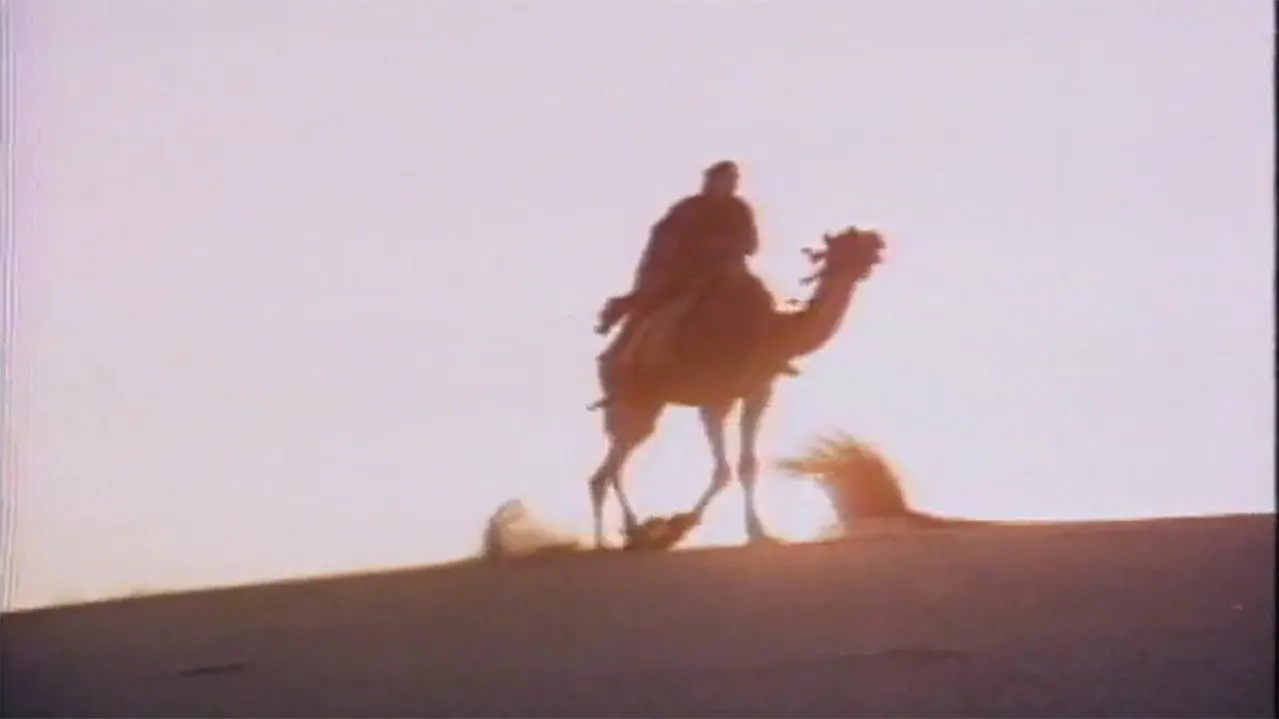

Trailer
Clicking loads the video from YouTube (privacy-enhanced mode). Open on YouTube
Trivia
A son in the role of young Moses
William Lancaster, son of Burt Lancaster, played the young Moses, much as Fraser Heston had played the infant Moses in The Ten Commandments (1956).
A papal audience suggested by the Italian government
The Italian government suggested that producer Lew Grade meet Pope Paul VI, and he did so at his wife's insistence.
Original Cinematopedia text based on Wikipedia (en) and Wikidata.