
Cast
What it is about
During World War II, the Vichy government conscripts men from France's colonies. In a Diola village in Senegal, the women hide the rice harvest rather than pay the French tax, and the dispute grows steadily. Village leaders debate how to respond to increasingly harsh policies, and they turn to their gods, including the one that gives the film its name. The story follows the tension between the village and the colonial administration, which hardens as the war goes on.
How it was made
Ousmane Sembène directed the film and wrote the screenplay. The cast includes Robert Fontaine as the Commandant, Michel Renaudeau as the Lieutenant and Pierre Blanchard as the Colonel, alongside many local performers from the region. The title comes from a Senegalese deity said to represent the passage from one stage of life to a better one. Sembène builds the story largely through expressive images, letting gestures and framing carry much of the meaning alongside the dialogue.
Reception and legacy
Emitaï was released in Senegal in 1971 and in the United States a year later. It was censored for five years in French-speaking Africa. It screened at the seventh Moscow International Film Festival, where it won a Silver Prize. Critics often praised its imagery; Metacritic's weighted average gave it 78 out of 100, based on six reviews, indicating generally favorable notices. It is remembered as one of the films that challenged French colonialism from within Africa.
Stills


Trailer
Clicking loads the video from YouTube (privacy-enhanced mode). Open on YouTube
More films by Ousmane Sembène
 Black Girl
 Moolaadé
 Xala
 Ceddo, also known as The Outsiders
 Mandabi
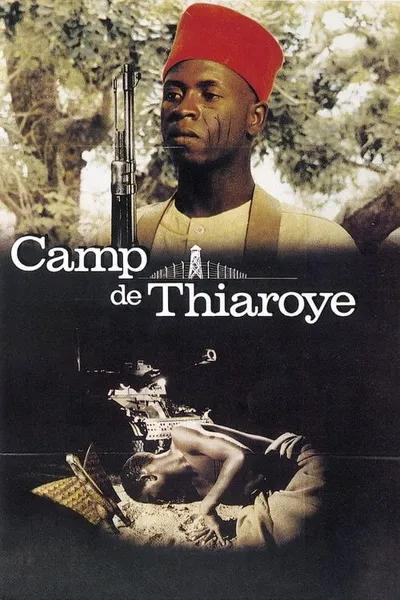 The Camp at Thiaroye
Original Cinematopedia text based on Wikipedia (es) and Wikipedia (en) and Wikidata.