Classic film noir
340 films · 1940–1959
Classic film noir is the body of films, made mainly in Hollywood during the 1940s and early 1950s, that portrays crime, corruption and moral ambiguity in urban and nocturnal settings. The term film noir was coined by French critics after the Second World War, when these films reached Paris somewhat late, and it was later used to group works that their directors did not conceive as a defined movement. This page gathers 324 titles from the period 1940 to 1959.
Its stylistic traits are easy to recognise: low-key lighting, deep shadows and backlighting, venetian blinds casting stripes across walls, wet streets and skewed camera angles. The storytelling often relies on voice-over narration, flashbacks and fragmented structures. Its protagonists are detectives, criminals, journalists or men corrupted by money or desire, and the femme fatale, who pulls the hero towards ruin, appears again and again. The roots are literary and European: the hard-boiled fiction of Dashiell Hammett, Raymond Chandler and James M. Cain, and German Expressionism, whose emigre filmmakers, such as Fritz Lang and Robert Siodmak, brought a bleak view of power and crime to Hollywood.
In industrial terms, many of these films were mid-budget productions or B pictures made at studios such as Warner, RKO, Paramount and Universal, often adapted from popular novels. The Production Code was in force, requiring crime to be punished and limiting explicit content, so film noir worked through suggestion, off-screen action and ellipsis. The historical context helps explain its tone: the postwar years, disillusion with the promises of victory, fear of violence and, towards the end of the period, the tensions of the Cold War.
Among the most representative films in the collection are Double Indemnity, Laura, The Maltese Falcon, Gilda, The Lost Weekend, Out of the Past, To Have and Have Not and Touch of Evil, which closes the period with great force. Among the figures featured here, Otto Preminger directed Laura and Robert Siodmak directed The Killers (1946), while Fritz Lang represents the German heritage of the genre. Other names on the list, including Alfred Hitchcock, Nicholas Ray, Anthony Mann, Raoul Walsh, Henry Hathaway, Robert Wise, Jean Negulesco, Michael Curtiz and Jules Dassin, worked at the edges of the genre or in neighbouring territories such as suspense, crime drama and heist pictures, which shows how permeable its borders were.
The later influence of film noir has been broad. Its visual and narrative devices passed into the crime cinema of the following decades and gave rise to neo-noir, which has reinterpreted its conventions since the 1960s. Its image of the night city, the defeated hero and the woman who is not what she seems remains present in contemporary film and television. That is why classic film noir is studied not only as a set of period films but as a way of looking at society that is still easy to recognise.
 The Lost Weekend1945
 A Place in the Sun1951
 All the King's Men1950
 Sunset Boulevard1950
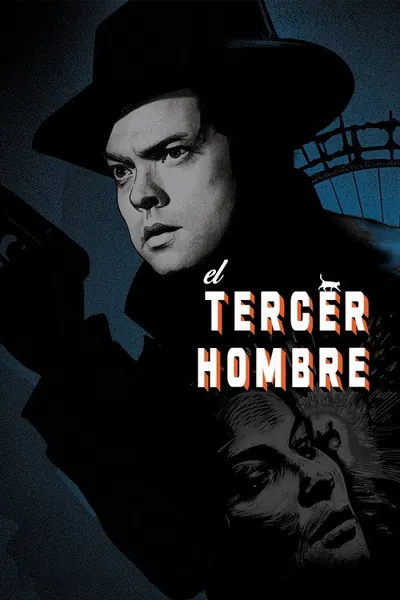 The Third Man1949
 Gaslight1944
 The Maltese Falcon1941
 Double Indemnity1944
 Separate Tables1958
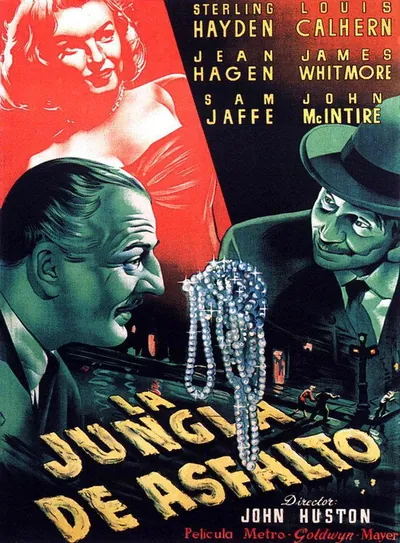 The Asphalt Jungle1950
 Mildred Pierce1945
 Spellbound1945
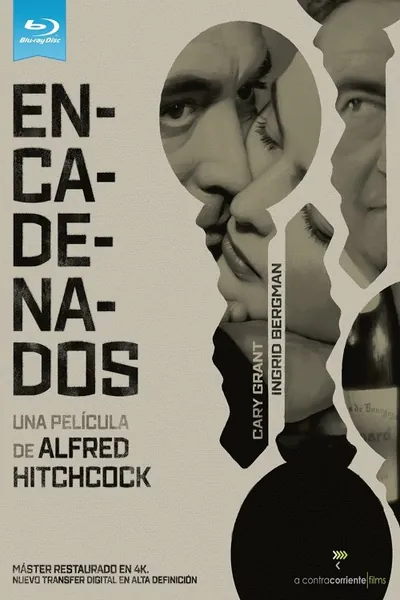 Notorious1946
 Foreign Correspondent1940
 Shadow of a Doubt1943
 Strangers on a Train1951
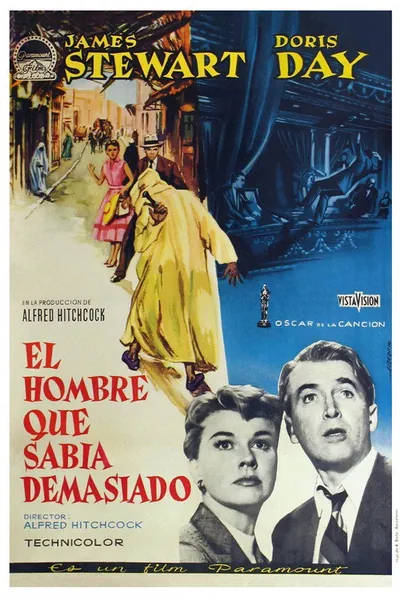 The Man Who Knew Too Much1956
 Laura1944
 Crossfire1947
 The Big Sleep1946
 Key Largo1948
 The Night of the Hunter1955
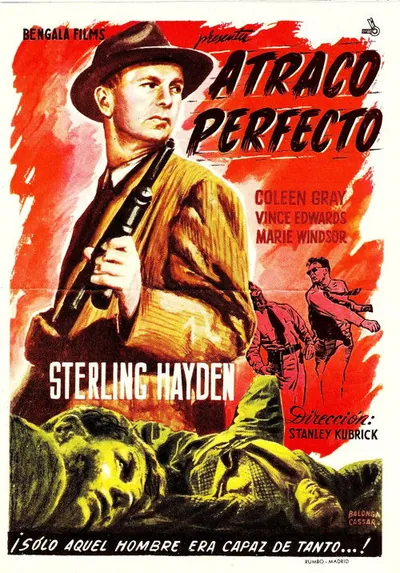 The Killing1956
 The Killers1946
 Gilda1946
 The Letter1940
 Touch of Evil1958
 To Have and Have Not1944
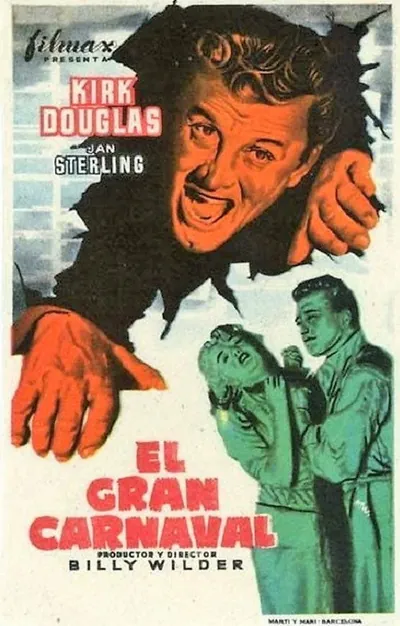 Ace in the Hole1951
 Detective Story1951
 Stage Fright1950
 A Double Life1947
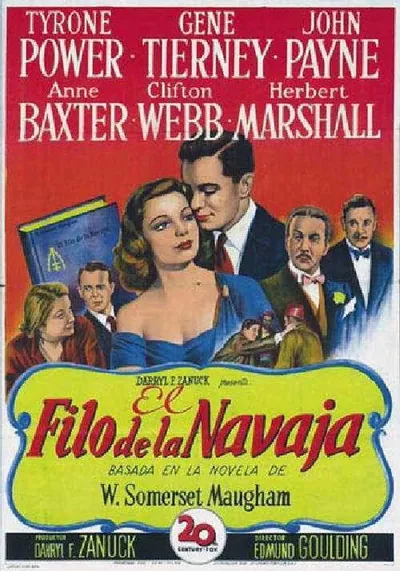 The Razor's Edge1946
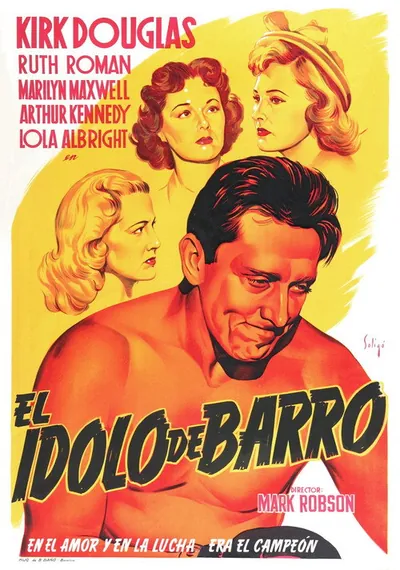 Champion1949
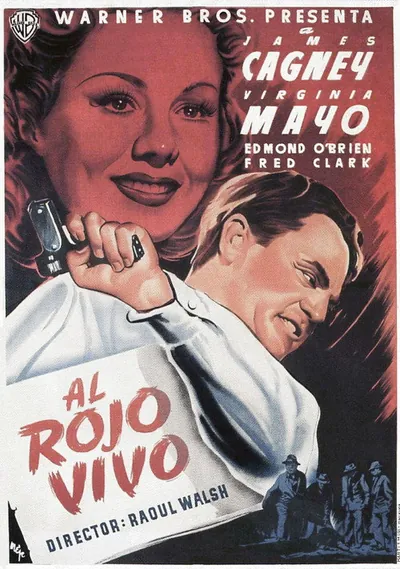 White Heat1949
 The Big Heat1953
 Niagara1953
 Stray Dog1949
 Arsenic and Old Lace1944
 The Lady from Shanghai1947
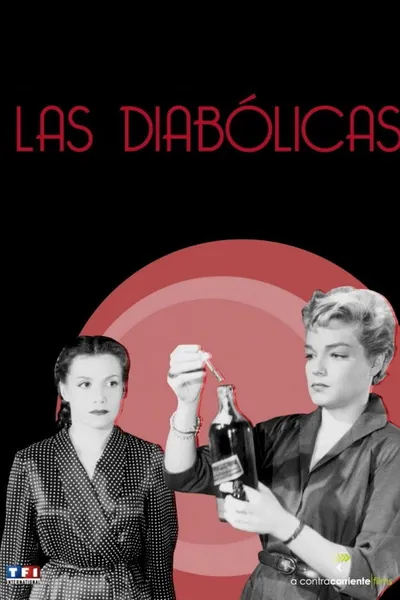 Les Diaboliques1954
 The Paradine Case1947
 The Fallen Idol1948
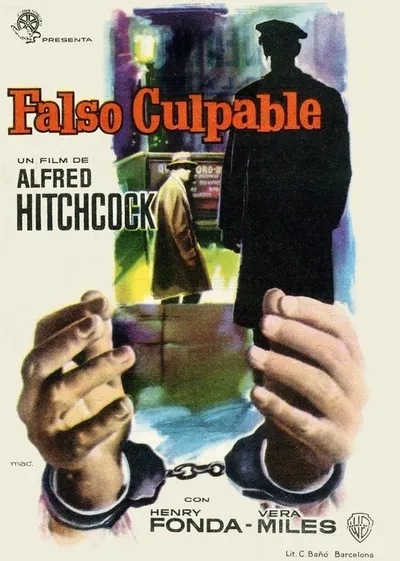 The Wrong Man1956
 Leave Her to Heaven1945
 High Sierra1941
 Sweet Smell of Success1957
 Drunken Angel1948
- They Drive by Night 1940
- Stranger on the Third Floor 1940
- Johnny Eager 1941
- A Woman's Face 1941
- The Shanghai Gesture 1941
- I Wake Up Screaming 1941
- Rage in Heaven 1941
- Out of the Fog 1941
- Ladies in Retirement 1941
- Blues in the Night 1941
- Cat People 1942
- This Gun for Hire 1942
- The Glass Key 1942
- Moontide 1942
- Derailed 1942
- Hatter's Castle 1942
- Ossessione 1943
- Le Corbeau 1943
- Journey into Fear 1943
- The Fallen Sparrow 1943
- Calling Dr. Death 1943
- Another Dawn 1943
- The Woman in the Window 1944
- Ministry of Fear 1944
- Phantom Lady 1944
- Murder, My Sweet 1944
- Experiment Perilous 1944
- The Suspect 1944
- The Mask of Dimitrios 1944
- Strangers in the Night 1944
- Guest in the House 1944
- Christmas Holiday 1944
- Bluebeard 1944
- The Lodger 1944
- Voice in the Wind 1944
- Scarlet Street 1945
- Detour 1945
- The House on 92nd Street 1945
- Fallen Angel 1945
- The Great Flamarion 1945
- Conflict 1945
- Lady on a Train 1945
- The Unseen 1945
- Cornered 1945
- The Strange Affair of Uncle Harry 1945
- My Name Is Julia Ross 1945
- Hangover Square 1945
- Strange Illusion 1945
- Dick Tracy 1945
- Two O'Clock Courage 1945
- The Spiral Staircase 1946
- The Postman Always Rings Twice 1946
- The Stranger 1946
- The Strange Love of Martha Ivers 1946
- The Blue Dahlia 1946
- The Dark Mirror 1946
- Lady in the Lake 1946
- Tomorrow Is Forever 1946
- The Dark Corner 1946
- Somewhere in the Night 1946
- Undercurrent 1946
- Shock 1946
- The Chase 1946
- Deception 1946
- Black Angel 1946
- The Other 1946
- The Verdict 1946
- The Locket 1946
- The Strange Woman 1946
- Three Strangers 1946
- Deadline at Dawn 1946
- Whistle Stop 1946
- Nobody Lives Forever 1946
- Night Editor 1946
- I See a Dark Stranger 1946
- Guard 13 1946
- Dark Passage 1947
- Out of the Past 1947
- Odd Man Out 1947
- Body and Soul 1947
- Kiss of Death 1947
- Boomerang! 1947
- Secret Beyond the Door 1947
- Dead Reckoning 1947
- Possessed 1947
- Brute Force 1947
- Nightmare Alley 1947
- Pursued 1947
- T-Men 1947
- The Two Mrs. Carrolls 1947
- My Favorite Brunette 1947
- Born to Kill 1947
- The Woman on the Beach 1947
- Ride the Pink Horse 1947
- The Long Night 1947
- Johnny O'Clock 1947
- The Macomber Affair 1947
- Brighton Rock 1947
- Lured 1947
- The Web 1947
- The Red House 1947
- Calcutta 1947
- Ivy 1947
- Singapore 1947
- Railroaded! 1947
- The Man I Love 1947
- Desperate 1947
- They Won't Believe Me 1947
- Deep Valley 1947
- High Wall 1947
- Nora Prentiss 1947
- Framed 1947
- The Unsuspected 1947
- They Made Me a Fugitive 1947
- The Naked City 1948
- Sorry, Wrong Number 1948
- They Live by Night 1948
- Call Northside 777 1948
- Force of Evil 1948
- Act of Violence 1948
- The Big Clock 1948
- Cry of the City 1948
- I Walk Alone 1948
- Raw Deal 1948
- He Walked by Night 1948
- The Street with No Name 1948
- Kiss the Blood Off My Hands 1948
- Pitfall 1948
- Sleep, My Love 1948
- Moonrise 1948
- Road House 1948
- Night Has a Thousand Eyes 1948
- Berlin Express 1948
- Ruthless 1948
- Blood on the Moon 1948
- Blonde Ice 1948
- The Amazing Mr. X 1948
- Hollow Triumph 1948
- Larceny 1948
- The Dark Past 1948
- Inner Sanctum 1948
- To the Ends of the Earth 1948
- Criss Cross 1949
- The Set-Up 1949
- Beyond the Forest 1949
- House of Strangers 1949
- Knock on Any Door 1949
- Caught 1949
- The Reckless Moment 1949
- The Window 1949
- Colorado Territory 1949
- Impact 1949
- Too Late for Tears 1949
- Thieves' Highway 1949
- Border Incident 1949
- The Accused (1949) 1949
- Death Is a Caress 1949
- Shockproof 1949
- A Woman's Secret 1949
- Chicago Deadline 1949
- Cover Up 1949
- Johnny Stool Pigeon 1949
- Tension 1949
- Trapped 1949
- Obsession 1949
- Panic in the Streets 1950
- D.O.A. 1950
- In a Lonely Place 1950
- Caged 1950
- Night and the City 1950
- No Way Out 1950
- Gun Crazy 1950
- House by the River 1950
- Flamingo Road 1950
- Where the Sidewalk Ends 1950
- The File on Thelma Jordon 1950
- The Big Steal 1950
- Edge of Doom 1950
- Dark City 1950
- The Damned Don't Cry 1950
- Woman on the Run 1950
- The Bribe 1950
- The Breaking Point 1950
- The Furies 1950
- Whirlpool 1950
- Kiss Tomorrow Goodbye 1950
- Born to Be Bad 1950
- Port of New York 1950
- No Man of Her Own 1950
- Side Street 1950
- Rope of Sand 1950
- Mystery Street 1950
- A Lady Without Passport 1950
- Jigsaw 1950
- Armored Car Robbery 1950
- The Orplid Mystery 1950
- The Cheat 1950
- Gunman in the Streets 1950
- Fourteen Hours 1951
- His Kind of Woman 1951
- The Well 1951
- The 13th Letter 1951
- The Enforcer 1951
- Cause for Alarm! 1951
- Sirocco 1951
- The House on Telegraph Hill 1951
- M 1951
- The Prowler 1951
- He Ran All the Way 1951
- Gamble (Baazi) 1951
- Storm Warning 1951
- Der Verlorene 1951
- The Big Night 1951
- Iron Man 1951
- The Dark Man 1951
- The Cape of Hope 1951
- Sudden Fear 1952
- Clash by Night 1952
- Don't Bother to Knock 1952
- Macao 1952
- Rancho Notorious 1952
- Affair in Trinidad 1952
- On Dangerous Ground 1952
- The Thief 1952
- The Las Vegas Story 1952
- The Narrow Margin 1952
- Kansas City Confidential 1952
- Phone Call from a Stranger 1952
- The Sniper 1952
- The Captive City 1952
- Don't Ever Open That Door 1952
- Stranger on the Prowl 1952
- Stolen Face 1952
- The Last Page 1952
- I Confess 1953
- Angel Face 1953
- Pickup on South Street 1953
- The Hitch-Hiker 1953
- The Blue Gardenia 1953
- The Bigamist 1953
- Split Second 1953
- 99 River Street 1953
- A Blueprint for Murder 1953
- Man in the Attic 1953
- The Glass Web 1953
- 36 Hours 1953
- Grisbi 1954
- Suddenly 1954
- Human Desire 1954
- Private Hell 36 1954
- Jail Bait 1954
- Andha Naal 1954
- The Sleeping Tiger 1954
- The Stranger Came Home 1954
- Killer's Kiss 1955
- Rififi 1955
- Kiss Me Deadly 1955
- The Man with the Golden Arm 1955
- The Big Combo 1955
- The Big Knife 1955
- Female on the Beach 1955
- The Phenix City Story 1955
- Queen Bee 1955
- Razzia sur la chnouf 1955
- 5 Against the House 1955
- A Bullet for Joey 1955
- Tight Spot 1955
- I Died a Thousand Times 1955
- The Bad Seed 1956
- Beyond a Reasonable Doubt 1956
- While the City Sleeps 1956
- Bob le Flambeur 1956
- Julie 1956
- Deadlier Than the Male 1956
- Slightly Scarlet 1956
- Where the Circle Ends 1956
- Gates of Paris 1957
- Edge of the City 1957
- Retour de manivelle 1957
- The Tattered Dress 1957
- Affair in Havana 1957
- Speaking of Murder 1957
- Until the Last One 1957
- Elevator to the Gallows 1958
- The Key 1958
- Party Girl 1958
- The Lineup 1958
- Compulsion 1959
- Odds Against Tomorrow 1959
- 125 Rue Montmartre 1959
- The Crimson Kimono 1959
- The Man in the Net 1959