
Gilda
1946 · United States · 110 min
- Director
- Charles Vidor
- Screenplay
- Ben Hecht, Virginia Van Upp, Jo Eisinger, Marion Parsonnet
- Producer
- Virginia Van Upp
- Music
- Hugo Friedhofer
- Cinematography
- Rudolph Maté
- Editing
- Charles Nelson
- Production company
- Columbia Pictures
What the critics say
90 % Rotten Tomatoes positive reviewsCast
What it is about
Johnny Farrell, an American newly arrived in Buenos Aires, makes his living with loaded dice until he takes a job with Ballin Mundson, a polished owner of an illegal high-class casino. When Mundson returns from a trip and introduces his new wife, Gilda, the past that Johnny and she share turns every encounter into a standoff. Mundson asks Farrell to keep an eye on her, and between them grows a hatred that sits uneasily beside an attraction neither can easily hide. Meanwhile, the casino's business grows complicated, entangled with postwar interests and with the attention of local police who begin following their movements.
How it was made
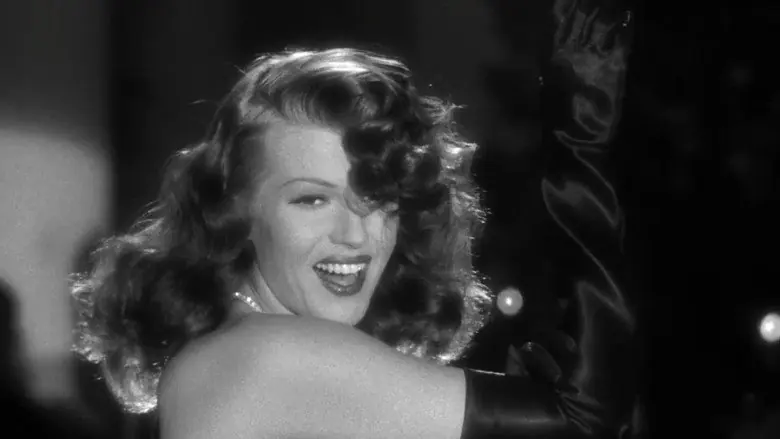
The film began as a project by producer Virginia Van Upp, who conceived it as a vehicle for Rita Hayworth, then mostly known for musical comedies. The story was first planned as an American gangster picture directed by Edmund Goulding, but the move of the setting to Buenos Aires came after objections from censor Joseph Breen, and Goulding was replaced by Charles Vidor. The screenplay is credited to several writers, while Ben Hecht is generally associated with it. Shooting took place from September 4 to December 10, 1945. Rudolph Maté's photography and Jean Louis's costumes give the picture its glamour, and Jack Cole's staging of the dance numbers, including Put the Blame on Mame and Amado Mio, became famous, the latter sung by Anita Ellis in place of Hayworth.
Reception and legacy
On release, the film received mixed to positive reviews. Variety praised Hayworth's presence and the lavish production, though it found the direction somewhat static. Bosley Crowther, writing in The New York Times, gave it a negative notice, while admiring Glenn Ford's performance. The film was screened in competition at the 1946 Cannes Film Festival, the first edition of that event. Its reputation has grown over time: Rotten Tomatoes records 90 percent positive reviews, and it is now regarded as a cult classic. In 2013 it was selected for preservation in the United States National Film Registry. Its blend of noir and melodrama, and its central performance, have made it a reference point for the genre.
Stills


Trailer
Clicking loads the video from YouTube (privacy-enhanced mode). Open on YouTube
Trivia
A bomb with its name
During the Operation Crossroads nuclear test at Bikini Atoll, a bomb bore the film's title above a photograph of Hayworth. The gesture was meant as a compliment, but Hayworth reportedly was deeply offended.
A borrowed voice
Anita Ellis dubbed the singing voice of Rita Hayworth, performing Amado Mio on the soundtrack.
More films by Charles Vidor
 A Farewell to Arms
 Love Me or Leave Me
 Cover Girl
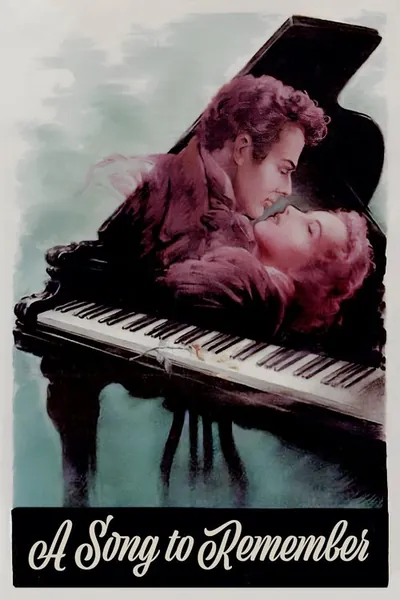 A Song to Remember
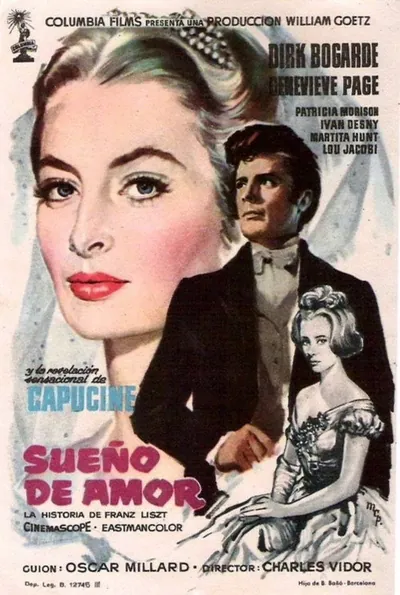 Song Without End
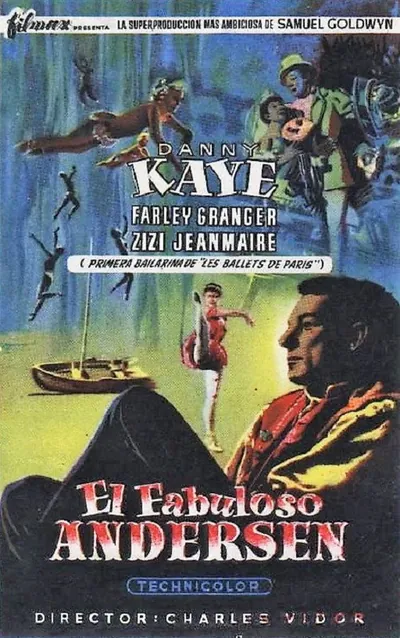 Hans Christian Andersen
Original Cinematopedia text based on Wikipedia (es) and Wikipedia (en) and Wikidata.