
Phantom Lady
La dama desconocida
1944 · United States · 87 min
- Director
- Robert Siodmak
- Screenplay
- Cornell Woolrich, Bernard C. Schoenfeld
- Producer
- Joan Harrison
- Music
- Hans J. Salter
- Cinematography
- Elwood Bredell
- Editing
- Arthur Hilton
- Production company
- Universal Pictures
What the critics say
90 % Rotten Tomatoes positive reviewsCast
What it is about
Scott Henderson, an engineer from Manhattan, spends an evening out after a bitter argument with his wife. When he gets home, the police are waiting for him: she has been strangled. Henderson has a solid alibi, but the bartender, the taxi driver, and the star of the show he attended that night remember him without the mysterious woman who was with him, so he is tried and convicted. Carol Richman, his secretary, who is secretly in love with him, decides to prove his innocence. With no official backing, she starts combing the city's bars and nightclubs, a search that drags her into contact with unsettling people and an atmosphere that grows more dangerous by the day.
How it was made
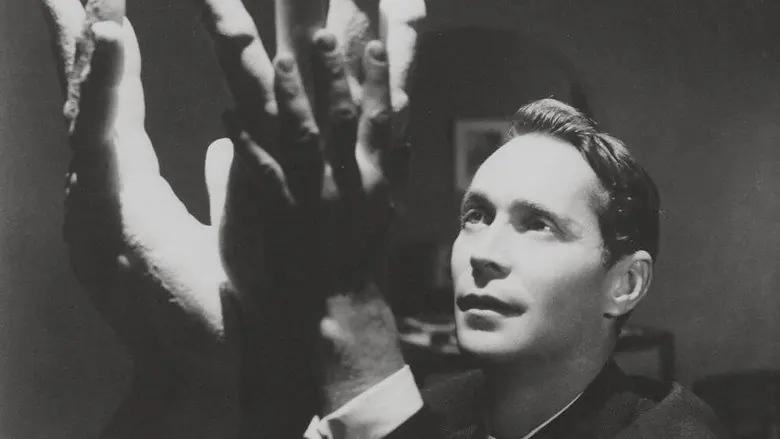
Phantom Lady was the first film noir Robert Siodmak made in Hollywood. It adapts the novel of the same name by Cornell Woolrich. Joan Harrison, a former screenwriter for Alfred Hitchcock, earned her first producing credit here, and she was also Universal Pictures' first female executive. Cinematographer Elwood Bredell worked closely with Siodmak, who encouraged him to study how Rembrandt distributed light and dark in his paintings. Shooting ran from September 20 to October 28, 1943, with sets designed by John B. Goodman. Cliff's frantic drum solo was dubbed by Dave Coleman, a former drummer for Harry James and His Orchestra.
Reception and legacy
The film premiered on February 17, 1944, at Loew's State Theatre in New York, and reviews were mixed. Bosley Crowther admired its atmosphere but savaged the screenplay, comparing the result to Hitchcock and German psychological cinema. James Agee judged that Harrison was doing nothing Hitchcock had not done far better, though he found her an intelligent, entertaining craftsperson. Pauline Kael felt the studio-imposed ending kept it from being a first-rate B picture. Leonard Maltin, by contrast, called it a first-rate suspense yarn. Over time it has been remembered for its nocturnal atmosphere and the after-hours jazz club sequence.
Stills


Trivia
A famous dub
The drumming heard in the club scene was not performed by the actor but by Dave Coleman, a former drummer for Harry James and His Orchestra.
Rembrandt-style light
Siodmak encouraged cinematographer Elwood Bredell to study how Rembrandt distributed light and darkness in his paintings.
More films by Robert Siodmak
 The Killers
 The Rats
 The Spiral Staircase
 Son of Dracula
 Criss Cross
 The Devil Strikes at Night
Original Cinematopedia text based on Wikipedia (es) and Wikipedia (en) and Wikidata.