
The Letter
La carta
1940 · United States · 95 min
- Director
- William Wyler
- Screenplay
- William Somerset Maugham, Howard Koch
- Producer
- Hal B. Wallis
- Music
- Max Steiner
- Cinematography
- Tony Gaudio
- Editing
- George Amy
- Production company
- Warner Bros. Entertainment, Warner Bros. Pictures
- Based on
- The Letter
Awards: · 7 nominations
Cast
What it is about
The story unfolds on a rubber plantation in British Malaya. One night under a full moon, Leslie Crosbie, the wife of the estate manager, fires several shots at a man at her door. She claims self-defense, saying he tried to assault her. Her husband Robert and their family attorney, Howard Joyce, accept her account, but a letter surfaces that casts doubt on her story and could send her to the gallows if it reaches the courtroom. Robert must decide how far he will go to protect her. The film is a courtroom and psychological drama about guilt, respectability and emotional dependence, and its tension grows from what each character conceals.
How it was made
The story comes from a W. Somerset Maugham short story collected in The Casuarina Tree (1924), and from the 1927 stage play he adapted from it, set in 1920s Malaya and inspired by a real police scandal in Kuala Lumpur in 1911. A version had already been filmed in 1929 with Jeanne Eagels. Howard Koch's screenplay builds on the play. The Production Code Administration rejected the first version for showing adultery and an unpunished murder, so a closing scene in which the widow takes revenge was added. The character of Mrs. Hammond was also changed from a Chinese mistress to a Eurasian wife. William Wyler directed Bette Davis again after Jezebel, and the two clashed over how Leslie's final confession should be played; Davis eventually filmed it his way. Wyler also insisted on casting James Stephenson as Joyce against the doubts of Jack L. Warner. Tony Gaudio's black-and-white photography and Max Steiner's score complete an ambitious formal package.
Reception and legacy
The film was a major public success and earned seven Academy Award nominations, including Best Picture, Best Director, Best Actress for Davis, Best Supporting Actor for Stephenson, black-and-white cinematography, editing and score, but it won none, as Rebecca took the top honors that year. Critics praised Wyler's taut staging and Davis's performance, though some reviewers regretted the ending imposed by the censors. Over time it has become a key title of 1940s film noir and of the collaboration between Wyler and Davis. Its story was later adapted into Paul Moravec's opera The Letter, premiered in 2009.
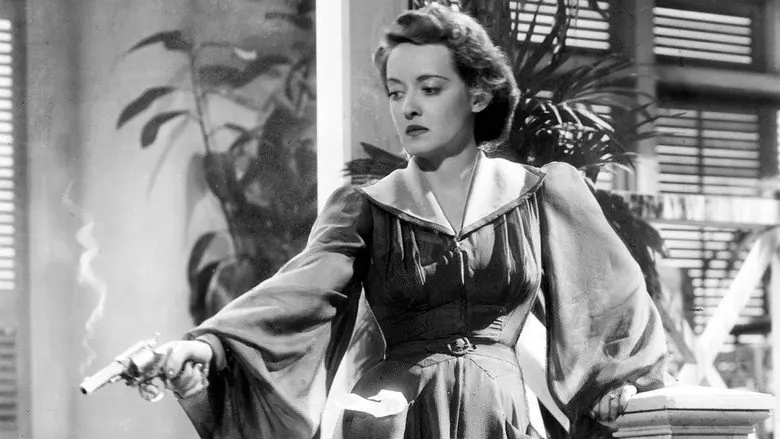
Stills


Trailer
Clicking loads the video from YouTube (privacy-enhanced mode). Open on YouTube
Trivia
An imposed ending
Censors required a closing scene in which the victim's widow takes revenge on Leslie, unlike the original ending.
A clash on set
Davis and Wyler disagreed over Leslie's final confession, and the actress walked off the set before filming it his way.
More films by William Wyler
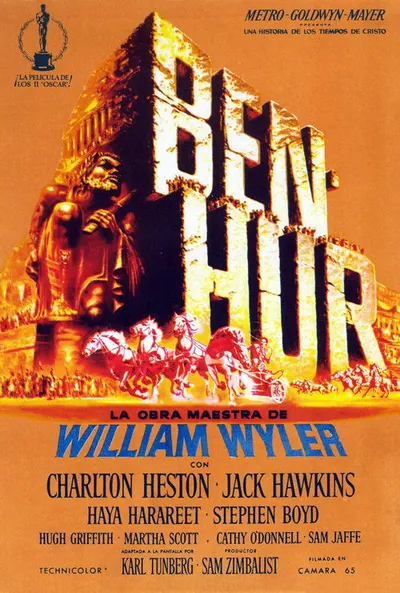 Ben-Hur
 The Best Years of Our Lives
 Mrs. Miniver
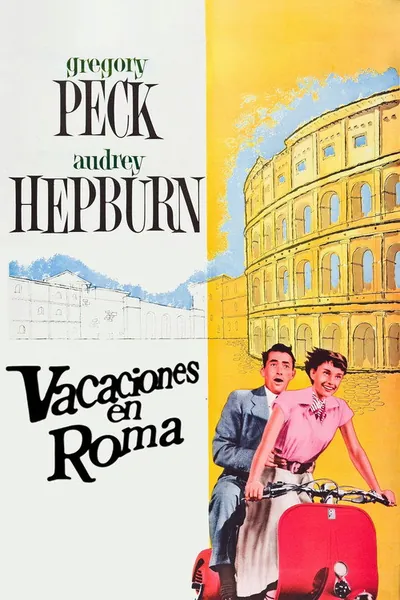 Roman Holiday
 Friendly Persuasion
 Jezebel
Original Cinematopedia text based on Wikipedia (es) and Wikipedia (en) and Wikidata.