New Hollywood
204 films · 1967–1981
New Hollywood is the name film history gives to the period running roughly from 1967 to 1981, when a generation of American filmmakers, many of them trained in film schools or in television, renewed the language and themes of Hollywood production. The period closes around 1980-1981, when the commercial failure of several big auteur productions and the rise of the blockbuster reshaped the industry once again. This page gathers the 204 films in the site linked to this period, along with its most prominent filmmakers.
By the mid-1960s the studio system was in deep crisis. Competition from television, falling audiences and the wearing down of the old production model pushed the major studios to take risks they would once have avoided. At the same time the old Production Code lost its authority and was replaced in 1968 by a system of age-based ratings, which allowed films to deal with violence, sexuality, social marginality and political corruption with a frankness that had been unthinkable only a few years earlier. Bewildered executives gave room to young directors who wanted a more personal relationship with their material.
Many of these filmmakers had studied European cinema, from the French New Wave to Italian neorealism, and knew well the work of directors who questioned classical narration. They also drew on the acting methods of the Actors Studio, which brought a new naturalness to the screen. The result was a cinema with recognisable traits: looser editing, more mobile cameras and freer framing, morally ambiguous protagonists and endings that avoid easy triumph. It was also a cinema critical of institutions such as the family, the army, politics, the press and television.
Robert Altman, in MASH, developed the ensemble structure and overlapping dialogue that would become his signature. Sidney Lumet, in Network, put criticism of television and the commercialisation of news at the centre of the story. Alan J. Pakula directed All the President's Men, a political thriller that reconstructs the journalistic investigation of Watergate with careful precision. Francis Ford Coppola made The Godfather and The Godfather Part II, works that follow a criminal dynasty and the corruption of a nation, and later Apocalypse Now and The Conversation, the latter a meditation on surveillance and guilt. Martin Scorsese, in Taxi Driver, offered an unsettling urban portrait of violence, and years later, in Raging Bull, a physical and moral biography of a boxer.
Other authors explored popular genres from a personal angle. William Friedkin combined the police film with a documentary realism in The French Connection and brought horror to a large audience with The Exorcist. Woody Allen, in Annie Hall, turned the romantic comedy into a space for self-reflection. Stanley Kubrick, an indisputable figure of the period, pursued a cinema of great formal ambition in 2001: A Space Odyssey, A Clockwork Orange and Barry Lyndon. Brian De Palma, Hal Ashby, Peter Bogdanovich, John Cassavetes and Arthur Penn complete a group of authors with very different trajectories, ranging from independent filmmaking to large-budget spectacle.
The period's influence has been considerable. Many of these directors became reference points for later generations, and their understanding of cinema as personal expression still shapes contemporary auteur filmmaking. At the same time, the success of Jaws in 1975 helped open the blockbuster logic that would dominate the following decade, and the tension between auteur cinema and mass spectacle that marked the period remains central to the industry. That is why New Hollywood is studied both as a time of artistic experimentation and as a decisive moment in the economic history of American film.
 The Godfather1972
 One Flew Over the Cuckoo's Nest1975
 The Godfather Part II1974
 Rocky1976
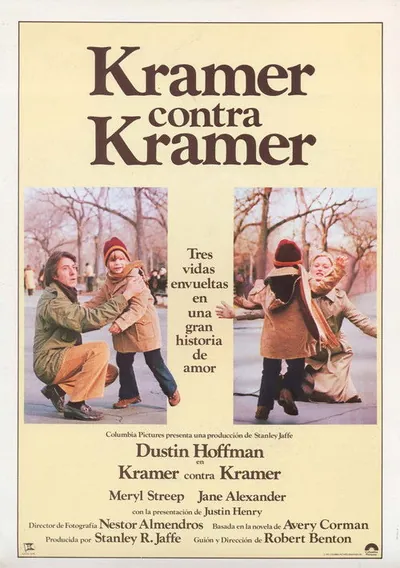 Kramer vs. Kramer1979
 Annie Hall1977
 Apocalypse Now1979
 The Deer Hunter1978
 Patton1970
 The French Connection1971
 The Sting1973
 Midnight Cowboy1969
 2001: A Space Odyssey1968
 Raiders of the Lost Ark1981
 Taxi Driver1976
 Cabaret1972
 The Graduate1967
 Barry Lyndon1975
 Julia1977
 Jaws1975
 Reds1981
 All That Jazz1979
 Raging Bull1980
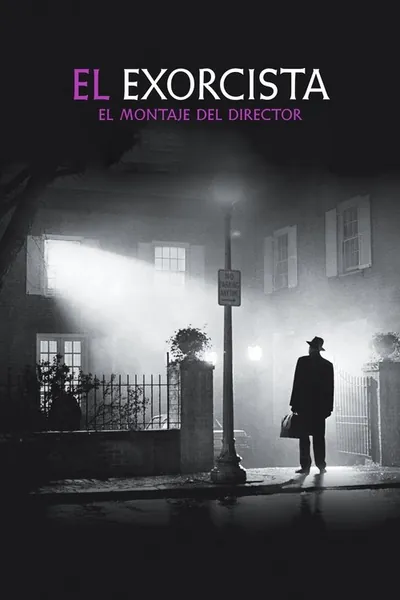 The Exorcist1973
 All the President's Men1976
 Chinatown1974
 MASH1970
 A Clockwork Orange1971
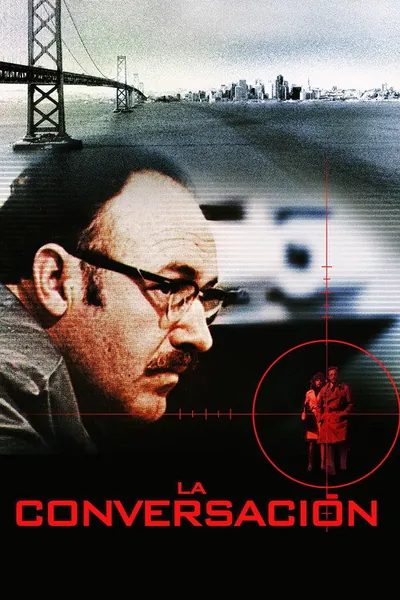 The Conversation1974
 Network1976
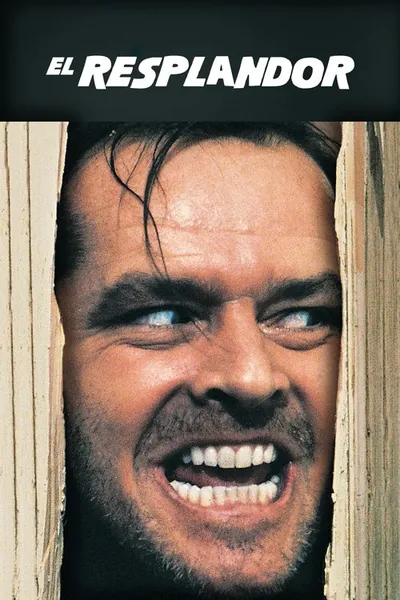 The Shining1980
 Bonnie and Clyde1967
 Dog Day Afternoon1975
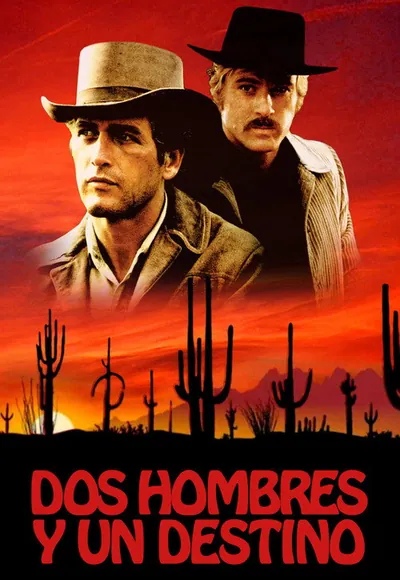 Butch Cassidy and the Sundance Kid1969
 Close Encounters of the Third Kind1977
 Love Story1970
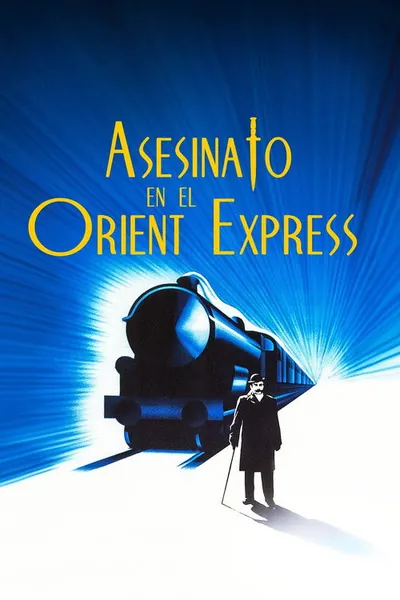 Murder on the Orient Express1974
 The Last Picture Show1971
 Coming Home1978
 The Towering Inferno1974
 Rosemary's Baby1968
 Halloween1978
 Planet of the Apes1968
 They Shoot Horses, Don't They?1969
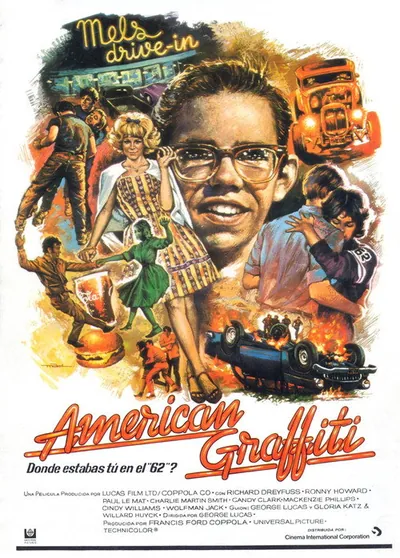 American Graffiti1973
 Alice Doesn't Live Here Anymore1974
 Manhattan1979
 Easy Rider1969
- The Dirty Dozen 1967
- The Producers 1967
- In Cold Blood 1967
- Point Blank 1967
- Who's That Knocking at My Door 1967
- Dont Look Back 1967
- Countdown 1967
- Night of the Living Dead 1968
- Bullitt 1968
- Faces 1968
- Coogan's Bluff 1968
- Targets 1968
- Greetings 1968
- Finian's Rainbow 1968
- Head 1968
- The Sea Gull 1968
- Petulia 1968
- The Wild Bunch 1969
- Take the Money and Run 1969
- Bob & Carol & Ted & Alice 1969
- Alice's Restaurant 1969
- The Sterile Cuckoo 1969
- The Rain People 1969
- Medium Cool 1969
- The Wedding Party 1969
- The Appointment 1969
- Five Easy Pieces 1970
- Airport 1970
- Little Big Man 1970
- Zabriskie Point 1970
- Woodstock 1970
- Catch-22 1970
- Husbands 1970
- Hi, Mom! 1970
- The Boys in the Band 1970
- Brewster McCloud 1970
- Joe 1970
- The Landlord 1970
- The Strawberry Statement 1970
- Alex in Wonderland 1970
- King: A Filmed Record... Montgomery to Memphis 1970
- Dirty Harry 1971
- Fiddler on the Roof 1971
- Klute 1971
- Harold and Maude 1971
- Straw Dogs 1971
- McCabe & Mrs. Miller 1971
- Play Misty for Me 1971
- Carnal Knowledge 1971
- The Panic in Needle Park 1971
- The Anderson Tapes 1971
- Two-Lane Blacktop 1971
- Sweet Sweetback's Baadasssss Song 1971
- Minnie and Moskowitz 1971
- The Last Movie 1971
- Deliverance 1972
- What's Up, Doc? 1972
- Sisters 1972
- Slaughterhouse-Five 1972
- Boxcar Bertha 1972
- Fat City 1972
- Images 1972
- The King of Marvin Gardens 1972
- Serpico 1973
- Paper Moon 1973
- Mean Streets 1973
- The Last Detail 1973
- Sleeper 1973
- Badlands 1973
- The Long Goodbye 1973
- Pat Garrett and Billy the Kid 1973
- The Day of the Dolphin 1973
- Dillinger 1973
- Love and Pain and the Whole Damn Thing 1973
- Young Frankenstein 1974
- Blazing Saddles 1974
- A Woman Under the Influence 1974
- Harry and Tonto 1974
- The Sugarland Express 1974
- Dark Star 1974
- Thunderbolt and Lightfoot 1974
- The Parallax View 1974
- Phantom of the Paradise 1974
- Thieves Like Us 1974
- Daisy Miller 1974
- California Split 1974
- Lovin' Molly 1974
- Nashville 1975
- Three Days of the Condor 1975
- Shampoo 1975
- The Eiger Sanction 1975
- The Day of the Locust 1975
- The Wind and the Lion 1975
- Night Moves 1975
- The Fortune 1975
- Carrie 1976
- The Outlaw Josey Wales 1976
- Bound for Glory 1976
- Buffalo Bill and the Indians, or Sitting Bull's History Lesson 1976
- Marathon Man 1976
- The Missouri Breaks 1976
- Obsession 1976
- Stay Hungry 1976
- The Killing of a Chinese Bookie 1976
- Nickelodeon 1976
- Next Stop, Greenwich Village 1976
- Saturday Night Fever 1977
- Eraserhead 1977
- The Goodbye Girl 1977
- New York, New York 1977
- Equus 1977
- The Gauntlet 1977
- Sorcerer 1977
- Looking for Mr. Goodbar 1977
- High Anxiety 1977
- Opening Night 1977
- 3 Women 1977
- Days of Heaven 1978
- Grease 1978
- Heaven Can Wait 1978
- Interiors 1978
- Animal House 1978
- An Unmarried Woman 1978
- The Wiz 1978
- Invasion of the Body Snatchers 1978
- The Last Waltz 1978
- Comes a Horseman 1978
- Blue Collar 1978
- A Wedding 1978
- The Fury 1978
- The Brink's Job 1978
- Being There 1979
- ...And Justice for All 1979
- Starting Over 1979
- Quintet 1979
- Saint Jack 1979
- Airplane! 1980
- Gloria 1980
- Melvin and Howard 1980
- Heaven's Gate 1980
- American Gigolo 1980
- Dressed to Kill 1980
- Popeye 1980
- Brubaker 1980
- Stardust Memories 1980
- Bronco Billy 1980
- Cruising 1980
- HealtH 1980
- The Postman Always Rings Twice 1981
- Body Heat 1981
- Blow Out 1981
- History of the World, Part I 1981
- They All Laughed 1981
- Prince of the City 1981
- Rollover 1981
- Four Friends 1981