
George J. Folsey
1898–1988 · American cinematographer
Biography
George J. Folsey was an American cinematographer and one of the leading lensmen at Metro-Goldwyn-Mayer for almost three decades. His career stretched from the silent era into television, and he stayed technically consistent through the classical Hollywood years.
Born in Brooklyn in 1898, he began at fourteen as an office boy for a Jesse Lasky company in New York. He moved on to assistant camera work and, before turning twenty, was working as a cinematographer. During the 1920s he shot for several studios, and at Paramount he photographed some of the earliest films of the Marx Brothers. In 1932 he moved to Los Angeles to join MGM, where most of his career was spent. His first Academy Award nomination came for Reunion in Vienna (1933). He was nominated thirteen times in all but never won. He worked repeatedly with Vincente Minnelli on musicals and dramas.
From 1962 he also worked in television, and in 1969 he won an Emmy for Best Cinematography in Nonfiction Programming for the special Here's Peggy Fleming. He served as president of the American Society of Cinematographers in 1956 and 1957, and in 1988 he received the society's first Lifetime Achievement Award. He died that same year in Santa Monica after a stroke and a long illness.
Key films
- The Great Ziegfeld (1936)
- Meet Me in St. Louis (1944)
- Seven Brides for Seven Brothers (1954)
- Forbidden Planet (1956)
- Adam's Rib (1949)
Trivia
First nomination
His first Academy Award nomination for Best Cinematography came for Reunion in Vienna, shot at MGM in 1933, the year he joined the studio.
ASC honour
In 1988 he became the first recipient of the Lifetime Achievement Award given by the American Society of Cinematographers, which he had led as president in 1956 and 1957.
On Cinematopedia
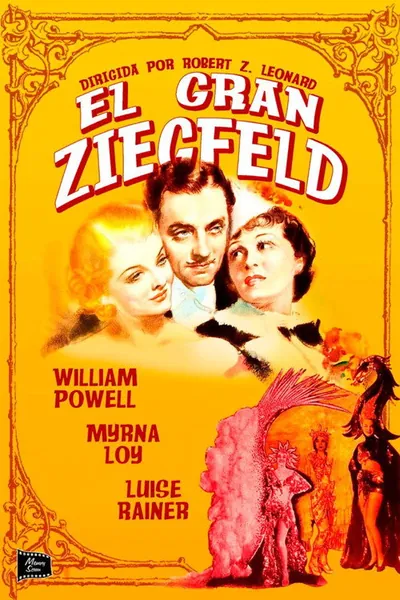 The Great Ziegfeld1936
 Seven Brides for Seven Brothers1954
 Meet Me in St. Louis1944
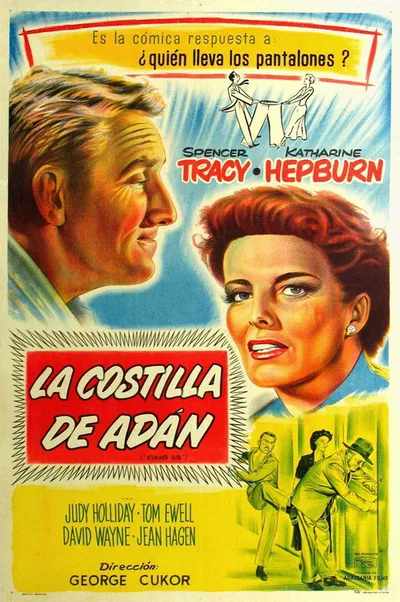 Adam's Rib1949
 Forbidden Planet1956
 Travels with My Aunt1972
 Marie Antoinette1938
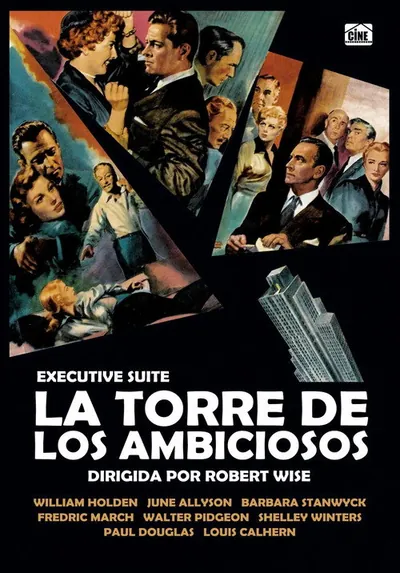 Executive Suite1954
 The Smiling Lieutenant1931
 Green Dolphin Street1947
 The Cocoanuts1929
 Animal Crackers1930
- Snow White 1916 · cinematography
- Uncle Tom's Cabin 1918 · cinematography
- The Case of Becky 1921 · cinematography
- The Bright Shawl 1923 · cinematography
- Born Rich 1924 · cinematography
- American Beauty 1927 · cinematography
- The Cocoanuts 1929 · cinematography
- The Letter 1929 · cinematography
- Applause 1929 · cinematography
- Animal Crackers 1930 · cinematography
- The Royal Family of Broadway 1930 · cinematography
- Laughter 1930 · cinematography
- The Big Pond 1930 · cinematography
- The Smiling Lieutenant 1931 · cinematography
- Honor Among Lovers 1931 · cinematography
- The Animal Kingdom 1932 · cinematography
- Reunion in Vienna 1933 · cinematography
- Going Hollywood 1933 · cinematography
- Chained 1934 · cinematography
- Men in White 1934 · cinematography
- Forsaking All Others 1934 · cinematography
- Operator 13 1934 · cinematography
- Reckless 1935 · cinematography
- I Live My Life 1935 · cinematography
- The Great Ziegfeld 1936 · cinematography
- The Gorgeous Hussy 1936 · cinematography
- The Last of Mrs. Cheyney 1937 · cinematography
- The Bride Wore Red 1937 · cinematography
- Mannequin 1937 · cinematography
- Parnell 1937 · cinematography
- Marie Antoinette 1938 · cinematography
- The Shining Hour 1938 · cinematography
- Lady of the Tropics 1939 · cinematography
- Remember? 1939 · cinematography
- Third Finger, Left Hand 1940 · cinematography
- Rage in Heaven 1941 · cinematography
- Come Live with Me 1941 · cinematography
- Lady Be Good 1941 · cinematography
- Rio Rita 1942 · cinematography
- Andy Hardy's Double Life 1942 · cinematography
- Thousands Cheer 1943 · cinematography
- Meet Me in St. Louis 1944 · cinematography
- The White Cliffs of Dover 1944 · cinematography
- Ziegfeld Follies 1945 · cinematography
- The Clock 1945 · cinematography
- The Harvey Girls 1946 · cinematography
- Till the Clouds Roll By 1946 · cinematography
- The Secret Heart 1946 · cinematography
- The Green Years 1946 · cinematography
- Green Dolphin Street 1947 · cinematography
- If Winter Comes 1947 · cinematography
- State of the Union 1948 · cinematography
- Adam's Rib 1949 · cinematography
- A Life of Her Own 1950 · cinematography
- Take Me Out to the Ball Game 1950 · cinematography
- Malaya 1950 · cinematography
- The Great Sinner 1950 · cinematography
- The Big Hangover 1950 · cinematography
- Vengeance Valley 1951 · cinematography
- Million Dollar Mermaid 1952 · cinematography
- All the Brothers Were Valiant 1953 · cinematography
- Seven Brides for Seven Brothers 1954 · cinematography
- Executive Suite 1954 · cinematography
- Hit the Deck 1955 · cinematography
- The Cobweb 1955 · cinematography
- Forbidden Planet 1956 · cinematography
- Torpedo Run 1958 · cinematography
- Travels with My Aunt 1972 · cinematography
Original Cinematopedia text based on Wikipedia (en) and Wikidata.