
The Singing Fool
1928 · United States · 99 min
- Director
- Lloyd Bacon
- Screenplay
- Joseph Jackson, Charles Graham Baker
- Music
- Louis Silvers
- Cinematography
- Byron Haskin
- Editing
- Ralph Dawson, Harold McCord
- Production company
- Warner Bros. Entertainment, Vitaphone
Cast
What it is about
Al Stone works as a waiter and comedian at a café, and has spent years trying to make a name for himself in show business. One night he performs a song he has written for Molly, a woman he has long admired, and his performance catches the eye of a Broadway theater head. Success comes quickly, followed by marriage and fatherhood, but Al's life soon becomes complicated by a series of personal setbacks.
How it was made
Directed by Lloyd Bacon for Warner Bros., the film was made during the transition from silent pictures to sound and was released in both sound and silent versions. It mixes spoken scenes, synchronized musical numbers and intertitles, with its soundtrack recorded on discs using the Vitaphone system. Al Jolson, who had starred in The Jazz Singer, returns as the lead, and three-year-old Davey Lee shares several scenes with him.
Reception and legacy
It was a major hit: for years it was the highest-grossing sound film, until Snow White and the Seven Dwarfs arrived in 1937, and the song "Sonny Boy" became the first hit from a film to sell over a million copies. Critics praised Jolson's singing above all, though the dialogue drew reservations. Its warm reception helped establish sound cinema as a medium with a future.
Stills

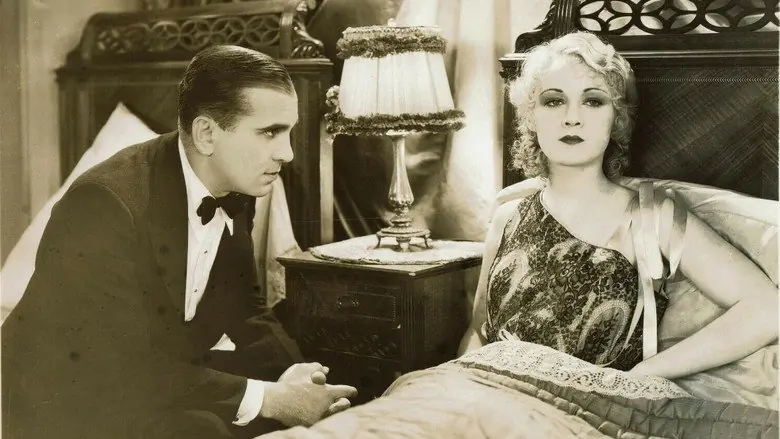
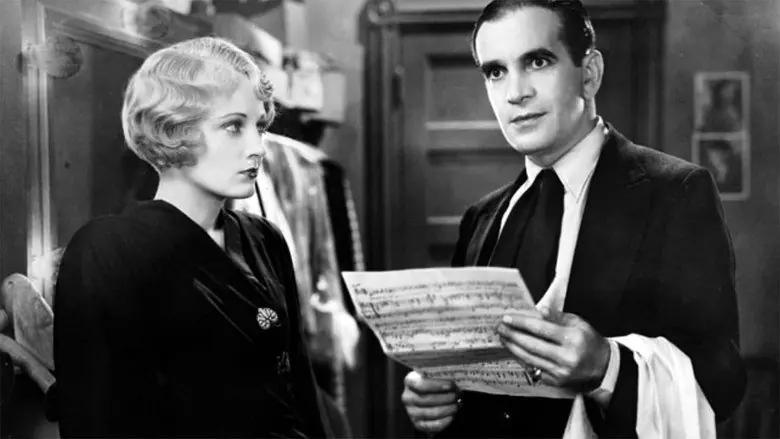
Trailer
Clicking loads the video from YouTube (privacy-enhanced mode). Open on YouTube
Trivia
A record-breaking song
"Sonny Boy" was the first song from a film to sell over a million copies. Counting sheet music, piano rolls and records, it eventually surpassed three million.
A cut song
Jolson's version of "The Spaniard That Blighted My Life" is missing from surviving prints after a lawsuit by its author, Billy Merson, and was removed from prints shown in the United Kingdom.
More films by Lloyd Bacon
 42nd Street
 Marked Woman
 Here Comes the Navy
 Footlight Parade
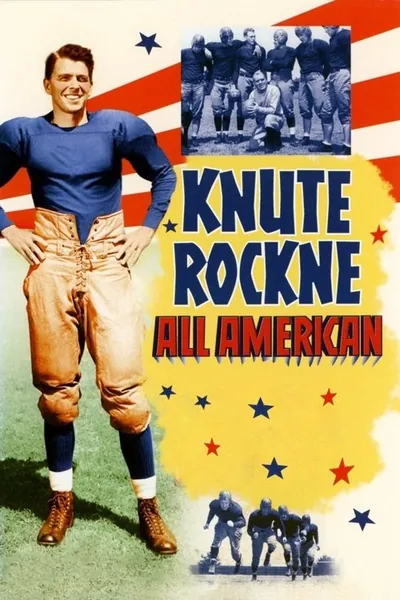 Knute Rockne, All American
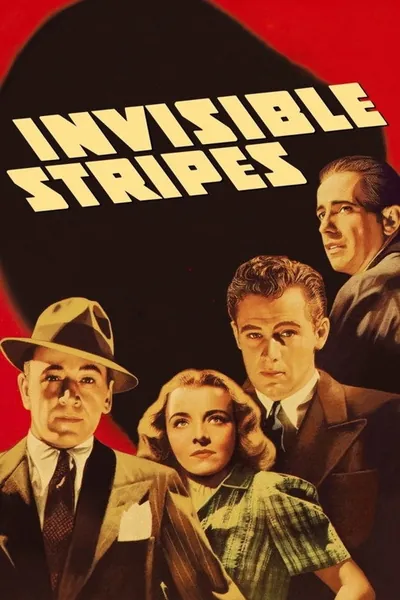 Invisible Stripes
Original Cinematopedia text based on Wikipedia (en) and Wikidata.