
Louis Silvers
1889–1954 · American film composer and music director
Biography
Louis Silvers, born Louis Silberstein in New York City in 1889, was an American film composer whose music appeared in more than 250 movies. His career spanned the shift from silent pictures to sound, and he became one of the musicians who helped shape early talkie scores in Hollywood.
Silvers began in the silent era. He provided the sound sequences for D. W. Griffith's Dream Street (1921), and he later scored The Jazz Singer (1927), one of the first features with synchronized dialogue. He also wrote the song "April Showers" (1921). In 1935 he received the first Academy Award for Best Original Score, for One Night of Love, a milestone that marked the category's debut.
Beyond film, Silvers served as music director of the Lux Radio Theater for most of its long run, from 1934 to 1955. He died of a heart ailment in Hollywood in March 1954. Today he is remembered as one of the composers who helped define the sound of American cinema in its early sound years.
Key films
- The Jazz Singer (1927). Score for one of the first features with synchronized dialogue.
- Dream Street (1921). Sound sequences for D. W. Griffith's film.
- Suez (1938). Music for a large-scale period drama.
- Crime and Punishment (1935). Music for the adaptation of Dostoevsky's novel.
Trivia
Birth name
Silvers was born Louis Silberstein. He used the professional surname by which he is known in film.
First Oscar for original score
In 1935 he won the first Academy Award for Best Original Score, for One Night of Love.
On Cinematopedia
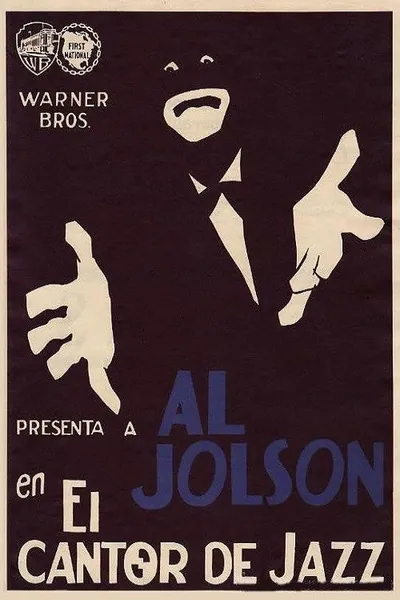 The Jazz Singer1927
 The Big House1930
 Disraeli1929
 Way Down East1920
 Jesse James1939
 Suez1938
 Kentucky1938
 Dancing Lady1933
 The Barker1928
 The Green Goddess1930
 Lights of New York1928
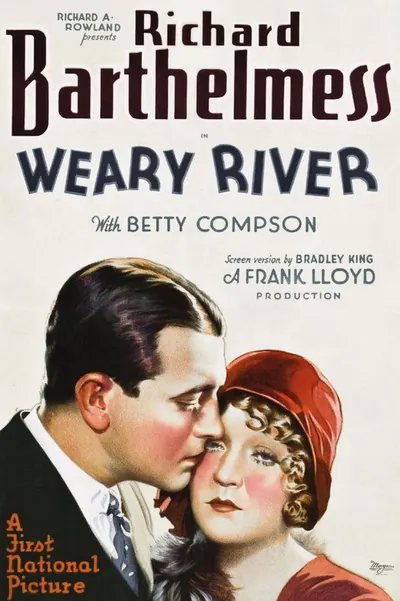 Weary River1929
- Way Down East 1920 · music
- Dream Street 1921 · music
- Isn't Life Wonderful 1924 · music
- Sally of the Sawdust 1925 · music
- The Jazz Singer 1927 · music
- The Barker 1928 · music
- Lights of New York 1928 · music
- Noah's Ark 1928 · music
- The Singing Fool 1928 · music
- The Terror 1928 · music
- Disraeli 1929 · music
- Weary River 1929 · music
- The Show of Shows 1929 · cast
- The Big House 1930 · music
- The Green Goddess 1930 · music
- Dancing Lady 1933 · music
- No Greater Glory 1934 · music
- Crime and Punishment 1935 · music
- She Married Her Boss 1935 · music, producer
- Stowaway 1936 · music
- Suez 1938 · music
- Kentucky 1938 · music
- Four Men and a Prayer 1938 · music
- Jesse James 1939 · music
- Tail Spin 1939 · music
Original Cinematopedia text based on Wikipedia (en) and Wikidata.