
Spies
Spione
1928 · Germany, Weimar Republic · 145 min
- Director
- Fritz Lang
- Screenplay
- Fritz Lang, Thea von Harbou
- Producer
- Erich Pommer
- Music
- Werner R. Heymann
- Cinematography
- Fritz Arno Wagner
Cast
What it is about
Germany, 1927. The Russian spy Sonja seduces a colonel from an unnamed Eastern European country into betraying his nation to serve Haghi, a respectable-looking bank director who secretly leads a powerful criminal organization. The head of German intelligence assigns a young agent, known only as Number 326, to bring Haghi down. Yet the agent and the spy fall in love, and matters grow more tangled when a secret Japanese-British peace treaty comes into play. The story moves through several interlocking espionage plots in a chaotic world where both sides look much alike.
How it was made
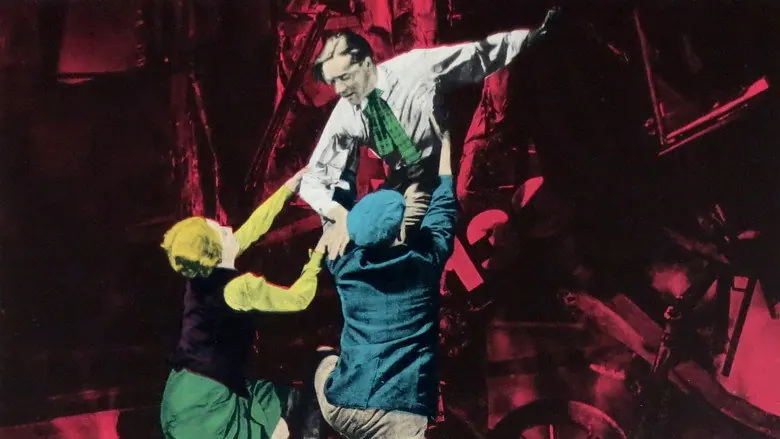
Fritz Lang based the film on real events, drawing on incidents involving the Soviet trade delegation in Britain, which Scotland Yard raided in the mid-1920s. It was his penultimate silent film and the first made by his own production company. Thea von Harbou co-wrote the script, and Rudolf Klein-Rogge returned to the role of a criminal seeking world domination, echoing his Mabuse films. Lang cast Willy Fritsch, whom he had seen in The Last Waltz, and the young Dutch actress Lien Deyers, making her screen debut. The budget was modest, at a time when the studio considered dropping Lang after the weak box office of Metropolis. The train crash in the third act is often praised as a remarkable technical achievement given those constraints. The film was restored by the Friedrich Wilhelm Murnau Foundation in 2003 and 2004, though no original negatives survive.
Reception and legacy
Spione has long been somewhat underrated, sitting between two much-celebrated Lang works, Metropolis and Woman in the Moon. Its espionage plot, twists and chase sequences are widely valued as a forerunner of later spy cinema, and the Italian director Sergio Leone once said that without Lang there would have been no Hitchcock. Even so, it is not counted among Lang's best-known films, which are usually the Mabuse series, Vampyr-style horror and Metropolis. It premiered shortly before German elections in which the Nazi party won a small share of the vote, a context later commentators have linked to the rise that followed the Great Depression.
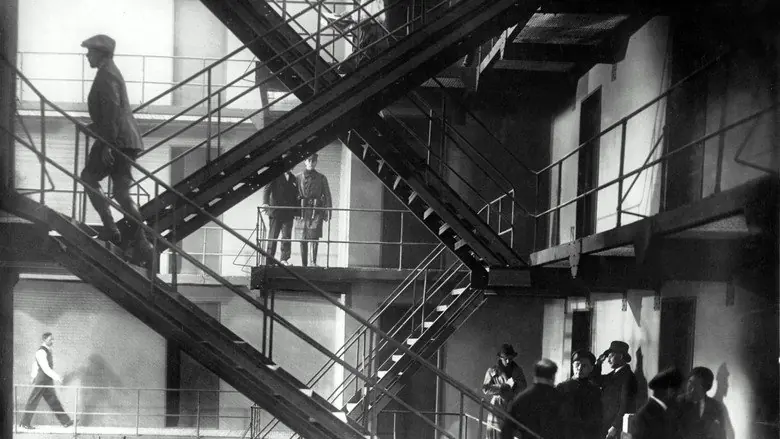
Stills

Trailer
Clicking loads the video from YouTube (privacy-enhanced mode). Open on YouTube
Trivia
Makeup modeled on Trotsky
According to Lang himself, the actor playing the villain Haghi was made up to resemble Trotsky.
A recurring lead pair
Willy Fritsch and Gerda Maurus later starred together in Lang's next film, Woman in the Moon.
More films by Fritz Lang
 Metropolis
 M
 The Big Heat
 Fury
 Scarlet Street
 The Woman in the Window
Original Cinematopedia text based on Wikipedia (es) and Wikipedia (en) and Wikidata.