
Inchon
1981 · United States · 140 min
- Director
- Terence Young
- Screenplay
- Laird Koenig, Robin Moore
- Producer
- Sun Myung Moon, Mitsuharu Ishii
- Music
- Jerry Goldsmith
- Cinematography
- Bruce Surtees
Awards: Golden Raspberry Award for Worst Actor; Golden Raspberry Award for Worst Director; Golden Raspberry Award for Worst Screenplay; Golden Raspberry Award for Worst Picture · 5 nominations
What the critics say
0 % Rotten Tomatoes positive reviewsCast
What it is about
In June 1950, North Korean troops cross the 38th parallel and the Korean War abruptly reaches the lives of people living near the border. Barbara Hallsworth, the wife of a U.S. Army major, flees toward Seoul with several South Korean children after losing her driver. Meanwhile, her husband Frank tries to end an affair with a young Seoul woman, and Sergeant August Henderson works to find the couple. Alongside them, journalists and military officers follow General Douglas MacArthur, whose plan to land at Incheon looks like a daring gamble. The film mixes military action with the personal drama of its civilian characters.
How it was made
The project grew out of the Unification Church. Sun Myung Moon financed it, contributing around 30 million dollars through One Way Productions, while Japanese publisher Mitsuharu Ishii, a fellow movement member, served as producer. According to accounts, the MacArthur film was chosen after biopics of Jesus or Elvis Presley were considered, and psychic Jeane Dixon helped select Terence Young, known for several James Bond films, as director. Laird Koenig and Robin Moore wrote the script, inspired by a South Korean dramatization of the war. The budget rose from an initial 18 million to about 46 million. Filming took place in South Korea, California, Italy, Ireland and Japan, and faced setbacks including a typhoon and the death of David Janssen during production. Laurence Olivier played MacArthur, alongside Toshiro Mifune and Jacqueline Bisset. Jerry Goldsmith composed the score and Bruce Surtees shot the film.
Reception and legacy
The film premiered in May 1981 but did not reach U.S. and Canadian theaters until September 1982, when it was quickly withdrawn after failing with critics and at the box office. It reportedly earned less than 2 million dollars against its budget, one of the largest financial losses for a 1982 release. Contemporary reviews were largely negative, and outlets including Newsweek, TV Guide and The Canadian Press have since listed it among the worst films ever made. It never received a home video release, though it has occasionally aired on television. It won several Razzie awards, including worst picture and worst director.
Stills

Trailer
Clicking loads the video from YouTube (privacy-enhanced mode). Open on YouTube
Trivia
Religious funding
Sun Myung Moon financed the project, a fact he initially preferred to keep quiet.
Ballooning budget
It was budgeted at 18 million dollars but ended up costing around 46 million.
More films by Terence Young
 Dr. No
 Thunderball
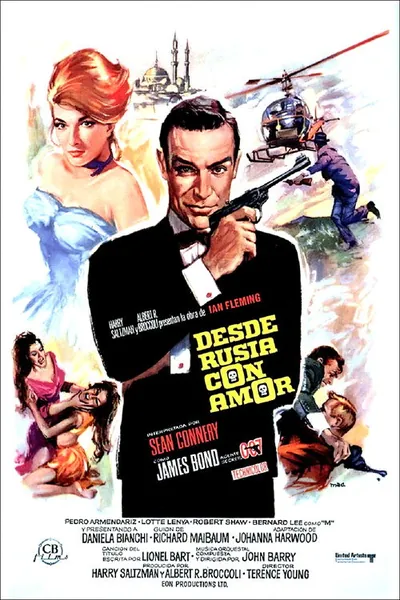 From Russia with Love
 Wait Until Dark
 Red Sun
 Bloodline
Original Cinematopedia text based on Wikipedia (en) and Wikidata.