
Eureka
Eureka (1983 film)
1983 · United States, United Kingdom · 124 min
- Director
- Nicolas Roeg
- Screenplay
- Paul Mayersberg
- Producer
- Jeremy Thomas
- Music
- Stanley Myers
- Cinematography
- Alex Thomson
- Editing
- Tony Lawson
- Production company
- Recorded Picture Company
What the critics say
40 % Rotten Tomatoes positive reviewsCast
What it is about
A gold prospector in northern Canada comes into unexpected wealth after a chance discovery. Two decades later, settled on a Caribbean island he owns, he lives surrounded by relatives and associates who watch his fortune with a mix of interest and suspicion, while a group of mobsters tries to take the property from him. The film blends family drama and thriller with a symbolic tone and an unconventional rhythm.
How it was made
The screenplay, written by Paul Mayersberg with Nicolas Roeg, was developed over roughly two years and at one point ran to 1,800 pages. The characters, loosely inspired by the unsolved murder of Harry Oakes in the Bahamas, were given fictional names to avoid possible legal trouble. It was a British-American co-production and Roeg's first major project with a big studio, United Artists. Principal photography began in late 1981 in British Columbia, with location work in Miami and Jamaica, and interiors were shot in England. The score is by Stanley Myers and the cinematography by Alex Thomson.
Reception and legacy
The film opened in London in May 1983, but United Artists held back its American release, unsure how to market it, and the MPAA gave it an X rating for its graphic violence. Its limited American release in October 1984 was a commercial failure, grossing far less than its 11 million dollar budget. Critics were divided: Hackman and Russell's performances and the film's striking imagery drew praise, while others felt the narrative was obscured. Over time it has built a cult following and is regarded as one of Roeg's most ambitious works.
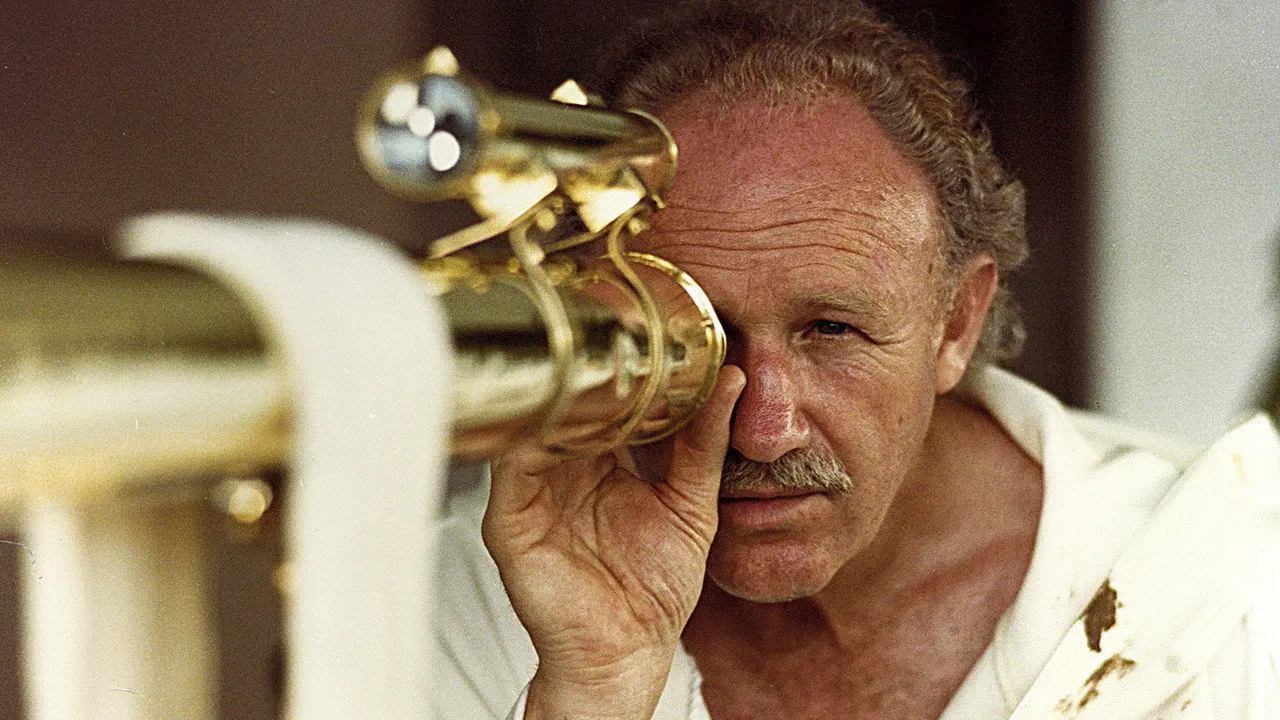
Stills


Trailer
Clicking loads the video from YouTube (privacy-enhanced mode). Open on YouTube
Trivia
Borrowed title
The title comes from the essay of the same name by Edgar Allan Poe. Poe's work provided the name, not the plot.
Changed names
Roeg originally planned to use the real names of the people involved, but opted for pseudonyms to avoid legal action.
More films by Nicolas Roeg
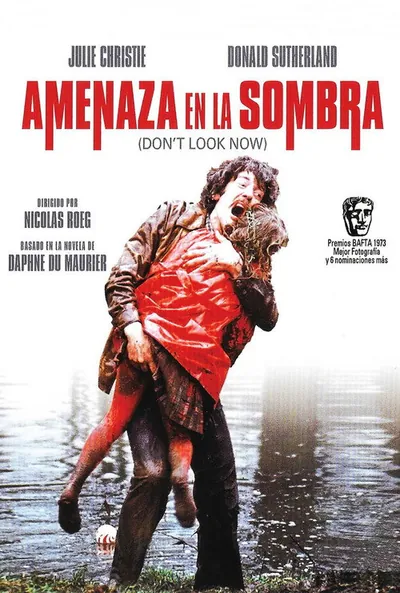 Don't Look Now
 The Witches
 The Man Who Fell to Earth
 Walkabout
 Bad Timing
 Performance
Original Cinematopedia text based on Wikipedia (es) and Wikipedia (en) and Wikidata.