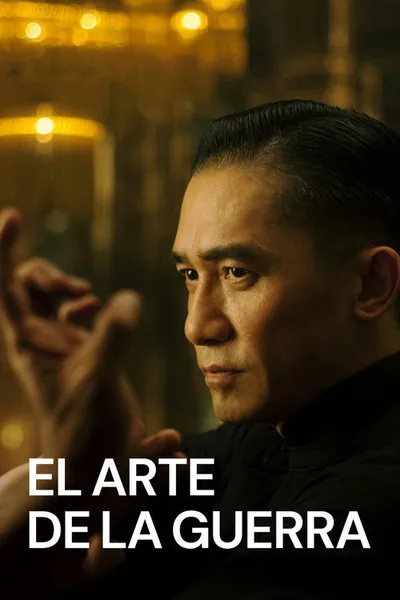
The Grandmaster
2013 · People's Republic of China, Hong Kong · 130 min
- Director
- Wong Kar-wai
- Screenplay
- Wong Kar-wai, Zou Jingzhi, Xu Haofeng
- Producer
- Wong Kar-wai, Jacky Yee Wah Pang
- Music
- Shigeru Umebayashi, Nathaniel Méchaly, Stefano Lentini
- Cinematography
- Philippe Le Sourd
- Editing
- William Chang, Poon Hung, Benjamin Courtines
- Production company
- Polybona Films, Sil-Metropole Organisation, Jet Tone Films
Awards: Hong Kong Film Award for Best Film; Asian Film Award for Best Film; Hundred Flowers Award for Best Picture; Hong Kong Film Critics Society Awards for Best Film · 22 nominations
Cast
What it is about
Set in the years before the Japanese invasion of China, the film follows Ip Man, a wing chun master, and Gong Er, a fighter and the daughter of a renowned northern grandmaster. Their paths cross in Foshan, Ip's hometown, in an encounter shaped by mutual respect and the traditions of martial arts. From there the story moves through key moments of Ip's life, from his training through the war years and exile, in a contemplative register that is more interested in honor, rivalry and belonging than in a straightforward chronicle of fights.
How it was made
The Grandmaster was announced in 2008, but its development dragged on through several delays, partly because Tony Leung broke his arm while training in wing chun. It was Wong Kar-wai's most expensive production to date, and the director conceived it as a major collaboration with mainland China's film industry, taking advantage of the growth of that market over the previous decade. The score mixes pieces by Shigeru Umebayashi and Nathaniel Méchaly with two works by Ennio Morricone and an original Stabat Mater by Stefano Lentini, which was released separately. Philippe Le Sourd's cinematography and William Chang's costume design are among the most praised technical elements.
Reception and legacy
Critics were generally favorable, praising the staging of the fights and Zhang Ziyi's performance, though some pointed to a muddled narrative and underdeveloped supporting characters. Owen Gleiberman of Entertainment Weekly called it a biohistorical muddle, while Variety celebrated it as a refined action saga. It earned Academy Award nominations for cinematography and costume design, but did not advance as Hong Kong's foreign-language candidate. Commercially it performed well, grossing more than 64 million dollars worldwide, which made it Wong's highest-grossing film up to that point.
Stills


Trailer
Clicking loads the video from YouTube (privacy-enhanced mode). Open on YouTube
Trivia
A broken arm
Tony Leung broke his arm while training in wing chun, a setback that contributed to the delays in production.
Record haul in Hong Kong
The film won 12 awards at the 33rd Hong Kong Film Awards, the most for a single film in the ceremony's history, and Zhang Ziyi took 12 Best Actress awards for her performance.
More films by Wong Kar-wai
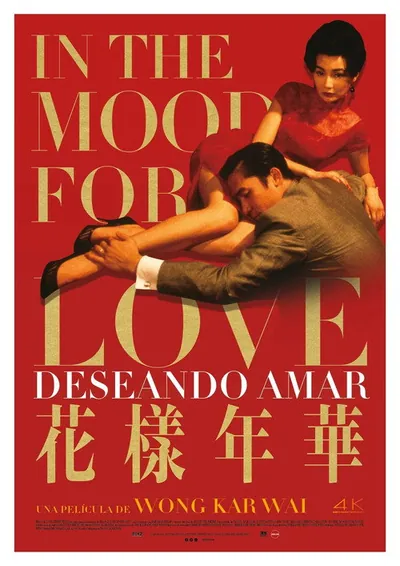 In the Mood for Love
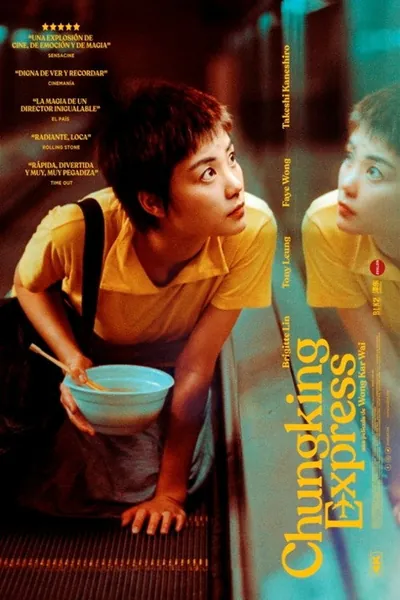 Chungking Express
 2046
 My Blueberry Nights
 Happy Together
 To Each His Own Cinema
Original Cinematopedia text based on Wikipedia (es) and Wikipedia (en) and Wikidata.