
Batman
1989 · United States, United Kingdom · 126 min
- Director
- Tim Burton
- Screenplay
- Warren Skaaren, Bill Finger, Sam Hamm
- Producer
- Peter Guber, Michael Uslan, Jon Peters, Benjamin Melniker
- Music
- Danny Elfman
- Cinematography
- Roger Pratt
- Editing
- Ray Lovejoy
- Production company
- Warner Bros. Entertainment, Universal Pictures, PolyGram Filmed Entertainment
- Based on
- Batman
Awards: Academy Award for Best Production Design · 2 nominations
Cast
What it is about
Gotham City lives in the shadow of a masked vigilante who hunts criminals by night. As photojournalist Vicki Vale and reporter Alexander Knox dig into the mystery of who he is, Vale meets Bruce Wayne, a billionaire businessman with a painful past. Things grow more complicated when Jack Napier, a criminal working for mobster Carl Grissom, becomes entangled in a scheme that threatens his life. What follows leaves Napier a disturbed figure and turns the city into the stage for a menace that touches everyone. The film sets up a clash between the hero and his great antagonist in a dark urban setting.
How it was made
The project aimed to adapt the DC Comics character with a darker tone than earlier versions. Tim Burton was hired as director in 1986, and several writers worked on drafts before Sam Hamm wrote the first screenplay. The film was greenlit only after the success of Beetlejuice (1988). Michael Keaton was cast despite controversy over his reputation as a comic actor, while Jack Nicholson accepted the role of the Joker under demanding financial terms. Filming took place at Pinewood Studios in England from October 1988 to January 1989. A writers' strike forced Hamm to leave, and other writers completed the script without credit. The budget rose from 30 to 48 million dollars. The film drew partly on comics such as The Killing Joke and The Dark Knight Returns, and its Oscar-winning art direction helped shape its gloomy atmosphere.
Reception and legacy
Batman was both a critical and commercial success, earning more than 400 million dollars at the box office. It received several Saturn Award nominations and a Golden Globe nomination for Nicholson's performance, and won the Academy Award for Best Art Direction. Its success led to three sequels: Batman Returns (1992), with Burton and Keaton returning, and Batman Forever (1995) and Batman & Robin (1997), directed by Joel Schumacher. The film also helped inspire the animated series of the early 1990s and influenced marketing and development strategies in superhero cinema, becoming a landmark of the genre.
Stills


Trailer
Clicking loads the video from YouTube (privacy-enhanced mode). Open on YouTube
Trivia
Academy Award for art direction
The film won the Oscar for Best Art Direction, an award shared by the work of Peter Young and Anton Furst.
Nicholson's contract
Nicholson accepted the role of the Joker under strict terms, including a high salary and a share of box office earnings.
More films by Tim Burton
 Alice in Wonderland
 Sweeney Todd: The Demon Barber of Fleet Street
 Charlie and the Chocolate Factory
 Ed Wood
 Sleepy Hollow
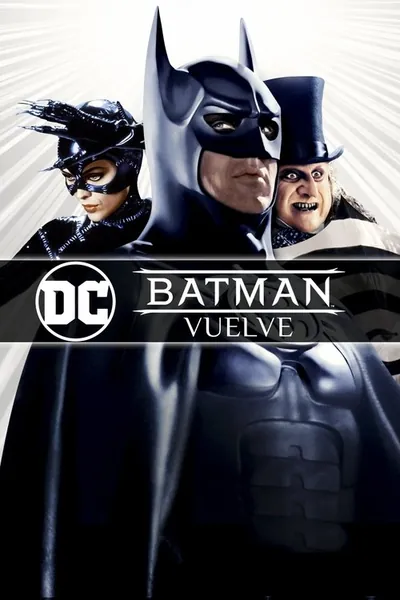 Batman Returns
Original Cinematopedia text based on Wikipedia (es) and Wikipedia (en) and Wikidata.