
Tie Me Up! Tie Me Down!
¡Átame!
1989 · Spain · 111 min
- Director
- Pedro Almodóvar
- Screenplay
- Pedro Almodóvar
- Producer
- Agustín Almodóvar
- Music
- Ennio Morricone
- Cinematography
- José Luis Alcaine Escaño
- Editing
- José Salcedo
Cast
What it is about
Ricky, a 23-year-old who has grown up inside a psychiatric hospital, is discharged after being declared cured. Orphaned and alone, he has one goal: to build a normal life with Marina Osorio, an actress with whom he once spent a night during an escape from the institution, and who is now trying to leave her past of addiction behind. Ricky tracks her down to the set of The Midnight Phantom, a horror film directed by Máximo Espejo, an elderly filmmaker in a wheelchair who protects the actress with a mix of affection and desire. Ricky's determination to insert himself into her life turns their relationship into an unsettling cohabitation that neither of them leaves unchanged.
How it was made
The project was Pedro Almodóvar's eighth feature and followed the success of Women on the Verge of a Nervous Breakdown. Almodóvar moved away from the comedy of his early work toward a more refined tone, closer to drama. His split from longtime star Carmen Maura opened the door to Victoria Abril, beginning a lasting collaboration, while Antonio Banderas was making his fifth film with the director. Stand-up comic Loles León plays Marina's sister, and Francisco Rabal plays the director. Almodóvar also cast his own mother, Francisca Caballero. Part of the shoot took place in Madrid's Chueca neighborhood. The film blends dark humour, romance and a deliberately parodic take on romantic relationships, with the ropes working as a metaphor for bonds rather than an erotic device, a point the director has repeatedly defended.
Reception and legacy
The film was warmly received by critics and audiences in Spain. It was shown at the Berlin Film Festival and at Cannes in the Star section, and collected numerous international recognitions. At the Goya Awards it earned 15 nominations without winning a single prize, a record often recalled today. Its United States release became controversial because of its explicit content, a dispute that helped prompt the MPAA to create the NC-17 rating. For Banderas it was his last major Spanish-language role before moving to Hollywood, and for Almodóvar it marked a decisive step toward the international recognition his later films would bring.
Stills


Trailer
Clicking loads the video from YouTube (privacy-enhanced mode). Open on YouTube
More films by Pedro Almodóvar
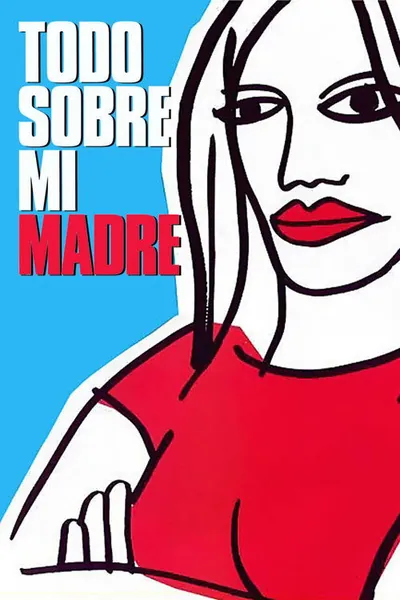 All About My Mother
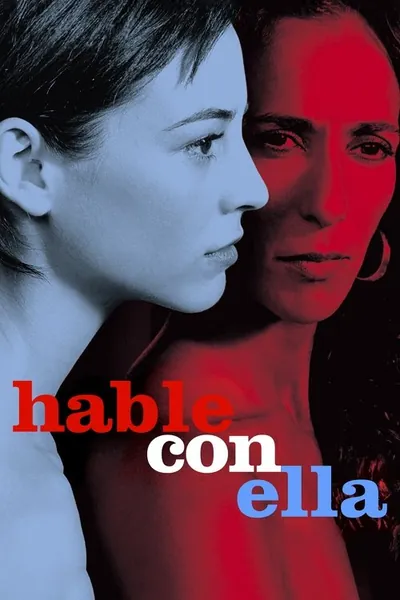 Talk to Her
 Volver
 The Room Next Door
 Bad Education
 Pain and Glory
Original Cinematopedia text based on Wikipedia (es) and Wikipedia (en) and Wikidata.