
William Worthington
1872–1941 · American silent film actor and director
Biography
William Worthington was an American actor and film director whose career unfolded largely during the silent era. He belonged to the generation of performers who moved from the stage to the screen in the early years of the American film industry, and his work spans both silent and sound cinema.
Born in Troy, New York, he became interested in the performing arts at a young age and began as an opera singer and stage actor. He entered films as an actor in 1913, and in 1914 he took the lead in Damon and Pythias, one of his most frequently cited films. From 1917 to 1925 he concentrated mainly on directing. He also headed the film production company Multicolor, which Cinecolor bought in 1932. He continued acting into the sound era, often in small roles, many of them uncredited. He died in 1941 in Beverly Hills, California, and was buried at Hollywood Forever Cemetery.
His legacy is modest and tied mainly to early cinema. Today he is of most interest to those who study silent film and the move of performers from the stage to the screen.
Key films
- Damon and Pythias (1914), as Damon
- The Spy (1914), as George Washington
- Duck Soup (1933), in an uncredited role as a government minister
- Anna Karenina (1935), in an uncredited role as an opera spectator
- Angels with Dirty Faces (1938), in an uncredited role as a prison warden
Trivia
From the opera stage to the screen
Before working in film, Worthington trained as an opera singer and stage actor, a background that shaped his move to the screen.
Multicolor and Cinecolor
He headed the production firm Multicolor, which was bought by Cinecolor in 1932.
On Cinematopedia
 Mr. Smith Goes to Washington1939
 Duck Soup1933
 Boys Town1938
 Angels with Dirty Faces1938
 Dark Victory1939
 Lady for a Day1933
 Camille1936
 Morning Glory1933
 Anna Karenina1935
 Blossoms in the Dust1941
 Design for Living1933
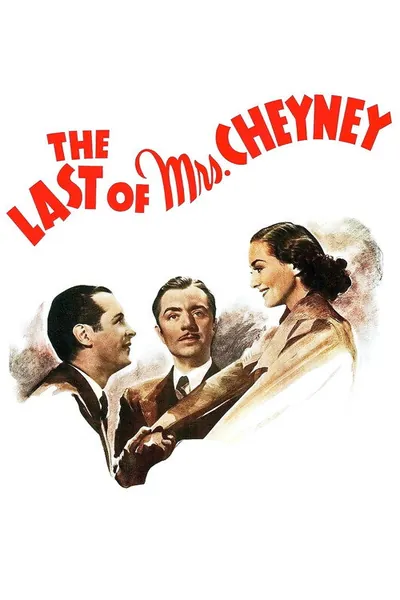 The Last of Mrs. Cheyney1937
- Damon and Pythias 1914 · cast
- The Dragon Painter 1919 · director
- Kindled Courage 1923 · director
- Kid Boots 1926 · cast
- Duck Soup 1933 · cast
- Lady for a Day 1933 · cast
- Morning Glory 1933 · cast
- Design for Living 1933 · cast
- The Keyhole 1933 · cast
- Gabriel Over the White House 1933 · cast
- The World Moves On 1934 · cast
- Anna Karenina 1935 · cast
- Reckless 1935 · cast
- Magnificent Obsession 1935 · cast
- Cardinal Richelieu 1935 · cast
- Love Me Forever 1935 · cast
- Camille 1936 · cast
- The Last of Mrs. Cheyney 1937 · cast
- Boys Town 1938 · cast
- Angels with Dirty Faces 1938 · cast
- The Amazing Dr. Clitterhouse 1938 · cast
- Mr. Smith Goes to Washington 1939 · cast
- Dark Victory 1939 · cast
- Zenobia 1939 · cast
- 6,000 Enemies 1939 · cast
- Blossoms in the Dust 1941 · cast
Original Cinematopedia text based on Wikipedia (es) and Wikipedia (en) and Wikidata.