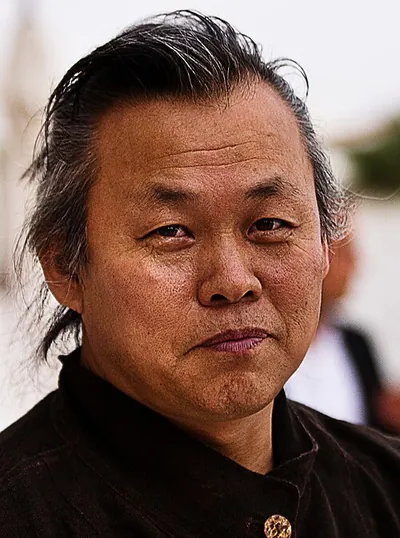
Kim Ki-duk
1960–2020 · South Korean director, screenwriter and editor
Biography
Kim Ki-duk (20 December 1960-11 December 2020) was a South Korean filmmaker and one of the best-known figures of his country's art-house cinema. He also worked as an editor, producer and actor. Over roughly a dozen features he developed a slow, visually intense style with sparse dialogue, often focused on criminals and outsiders, and his films became a regular presence on the international festival circuit.
He grew up in a rural family and moved to Seoul as a child. He left agricultural studies to work in a factory at seventeen, served in the South Korean marine corps, and after his discharge painted while working as a temple attendant at a Buddhist monastery. By his own account, he first saw films in Paris, where The Silence of the Lambs and Lovers on the Pont-Neuf left a strong impression on him. Back in Korea he entered screenwriting contests and won top prizes in 1993 and 1995, although those scripts were not filmed right away.
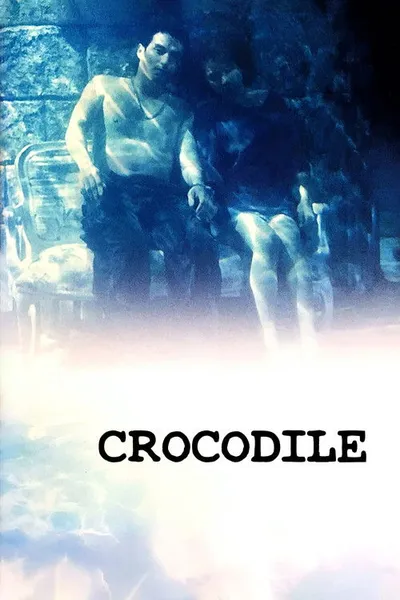
His directing debut was Crocodile (1996), about homeless people surviving under a bridge. It drew little praise in the local press but screened at the Busan festival, which became a regular showcase for him. With Blue Gate Crossing (1998) his international profile grew, and in 2000 he made Real Fiction, shot in real time, and The Isle, the film that brought him wider recognition. Some scenes in The Isle were so harsh that a critic reportedly fainted at its Venice premiere, and its depiction of prostitution stirred controversy at home.
In the years that followed he moved between harsher work such as Bad Guy, his first box-office hit, and quieter films. Spring, Summer, Fall, Winter... and Spring (2003), in which he also acted as an elderly Buddhist monk, was the first of his films to reach wide distribution beyond festivals. In 2004 he won the Silver Bear for Best Director in Berlin for Samaritan Girl and the Silver Lion for Best Director in Venice for 3-Iron. In 2011 Arirang won the Un Certain Regard prize at Cannes, and in 2012 Pietà took the Golden Lion in Venice.
In 2017 several actresses made complaints against him alleging assault and abuse, which led to legal proceedings and a heated public debate; Kim rejected the accusations and filed suits against his accusers. In November 2020 he moved to Riga, where he contracted COVID-19, and he died there at the age of 59. His work is still studied for its distinctive style and its influence on Asian auteur cinema.
Key films
- Pietà (2012): Golden Lion winner in Venice, following a debt collector and a woman who claims to be his mother.
- Spring, Summer, Fall, Winter... and Spring (2003): his best-known film, set across the seasons in the life of a monk and his disciple.
- 3-Iron (2004): the story of a young man who lives in empty houses, with few words, earning the Silver Lion for Best Director in Venice.
- Samaritan Girl (2004): a drama about two marginalised young women, which won him the Silver Bear for Best Director in Berlin.
- The Isle (2000): a tale of a fugitive and the owner of a fishing retreat on a lake, which brought him international attention.
Trivia
A fainting spell in Venice
Some scenes in The Isle were so harsh that a critic reportedly fainted during its premiere at the Venice Film Festival.
Delayed release in the UK
The British Board of Film Classification delayed the UK release of The Isle because of scenes of animal cruelty, a matter the director acknowledged in interviews.
On Cinematopedia
 Pietà2012
 Spring, Summer, Fall, Winter... and Spring2003
 3-Iron2004
 Samaritan Girl2004
 The Isle2000
 Time2006
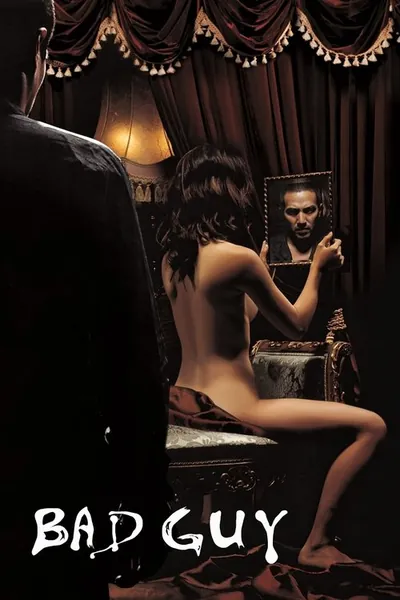 Bad Guy2001
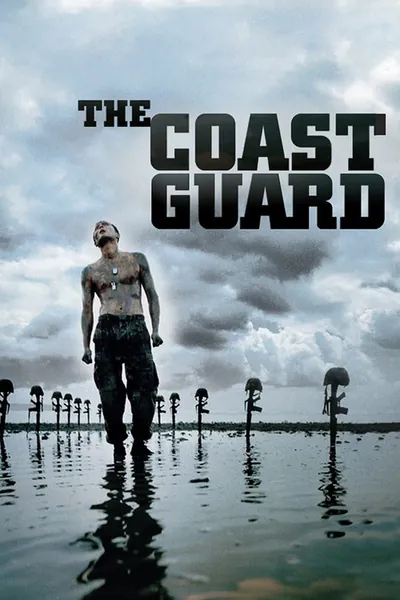 The Coast Guard2002
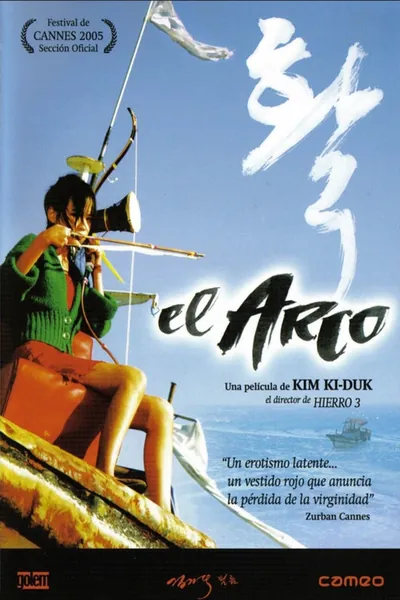 The Bow2005
 Breath2007
 Dream2008
 Crocodile1996
- Crocodile 1996 · director, screenplay
- Wild Animals 1997 · director, screenplay
- Birdcage Inn 1998 · director, screenplay
- The Isle 2000 · director, screenplay, editing
- Real Fiction 2000 · director, screenplay
- Bad Guy 2001 · director, screenplay
- Address Unknown 2001 · director, screenplay
- The Coast Guard 2002 · director, screenplay
- Spring, Summer, Fall, Winter... and Spring 2003 · director, screenplay, editing, cast
- 3-Iron 2004 · director, screenplay, editing, producer
- Samaritan Girl 2004 · director, screenplay, editing
- The Bow 2005 · director, screenplay, editing, producer
- Time 2006 · director, screenplay, editing, producer
- Breath 2007 · director, screenplay, cast
- Dream 2008 · director, screenplay, editing, producer
- Rough Cut 2008 · screenplay, producer
- Beautiful 2008 · producer
- Arirang 2011 · director, cinematography, screenplay, editing, producer, cast
- Amen 2011 · director, cinematography, screenplay, editing, producer, cast
- Poongsan 2011 · producer
- Pietà 2012 · director, screenplay, editing, producer
- Moebius 2013 · director, cinematography, screenplay, editing, producer
- Rough Play 2013 · screenplay, producer
- Red Family 2013 · screenplay, editing, producer
- One on One 2014 · director, cinematography, screenplay, editing
- Made in China 2014 · screenplay
- Stop 2015 · director, cinematography, screenplay, editing, producer
- The Net 2016 · director
- Human, Space, Time and Human 2018 · director, screenplay
- Dissolve 2019 · director
Original Cinematopedia text based on Wikipedia (es) and Wikipedia (en) and Wikidata.