
Haskell Wexler
1922–2015 · American cinematographer, documentary filmmaker and director
Biography
Haskell Wexler (Chicago, 1922 - 2015) was an American cinematographer, documentary filmmaker and director, and one of the most inventive camera artists in Hollywood. He won two Academy Awards for Best Cinematography, for Who's Afraid of Virginia Woolf? in 1966 and for Bound for Glory in 1976. In 2003, members of the International Cinematographers Guild ranked him among the ten most influential cinematographers in film history.
Born into a Jewish family in Chicago, he attended a progressive school and spent a year at the University of California, Berkeley, before joining the U.S. Merchant Marine in 1941. In November 1942 his ship was torpedoed by a German submarine off South Africa, and he spent ten days in a lifeboat before being rescued. After the war he returned to Chicago and worked in his father's company, while setting up a small studio that made industrial films. The studio eventually closed, but it gave him practical training. In 1947 he joined the International Photographers Guild as an assistant cameraman and gradually moved into more technical roles. For years he combined documentaries, television work and commercials. In 1963 he shot Elia Kazan's America America, his first large-budget feature, and then came In the Heat of the Night (1967), with Sidney Poitier, and One Flew Over the Cuckoo's Nest (1975), from which he was dismissed during shooting.
As a director he was best known for Medium Cool (1969), which blends scripted scenes with cinéma vérité footage from the 1968 Democratic National Convention, and for politically charged documentaries such as Underground (1976). His later career focused on raising awareness of exhausting working hours on film sets, the subject of Who Needs Sleep? (2006). Medium Cool was selected for the United States National Film Registry in 2003, and its approach influenced several generations of filmmakers. He died in 2015.
Key films
- Who's Afraid of Virginia Woolf? (1966): Academy Award for Best Cinematography in black and white, for Mike Nichols's drama with tightly framed, carefully lit interiors.
- In the Heat of the Night (1967): police drama with Sidney Poitier, in which he adjusted the lighting to flatter a dark-skinned actor, a rare consideration at the time.
- One Flew Over the Cuckoo's Nest (1975): Oscar-nominated for Best Cinematography, though he was replaced during the shoot by Bill Butler.
- Medium Cool (1969): written and directed by Wexler, mixing fiction with documentary footage from the 1968 Democratic National Convention.
- America America (1963): his first large-budget feature, shot for director Elia Kazan.
Trivia
A shipmate in the Merchant Marine
During his time in the Merchant Marine he became friends with Woody Guthrie, who later became a famous folk singer. Decades later, Wexler shot Bound for Glory, the biopic of Guthrie that earned him his second Oscar.
Lighting Poitier
On In the Heat of the Night he adjusted the lighting to avoid the glare that made dark skin look poor on color film, a choice that is often cited as a milestone for Sidney Poitier's on-screen image.
On Cinematopedia
 One Flew Over the Cuckoo's Nest1975
 In the Heat of the Night1967
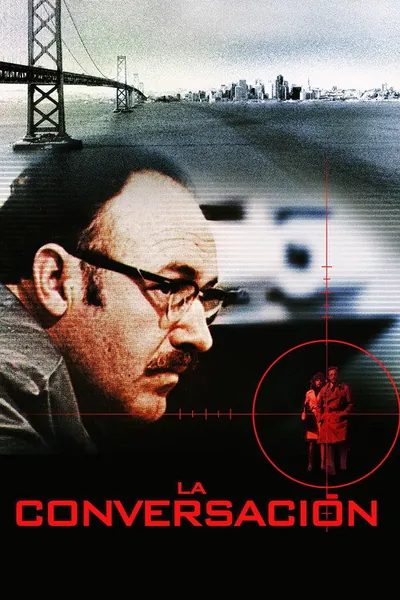 The Conversation1974
 Who's Afraid of Virginia Woolf?1966
 Coming Home1978
 Bound for Glory1976
 America America1963
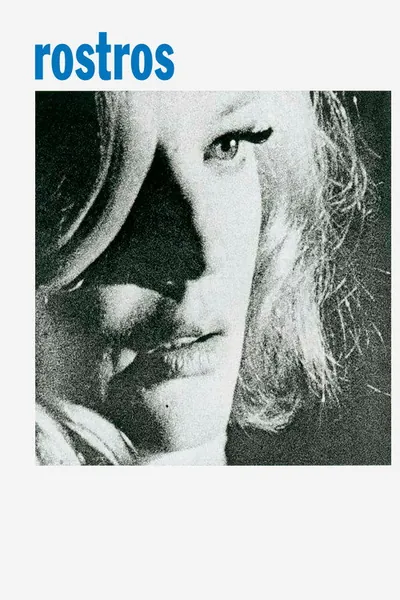 Faces1968
 The Thomas Crown Affair1968
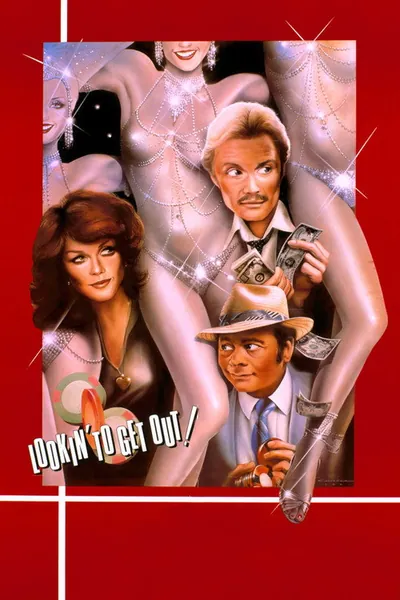 Lookin' to Get Out1982
 Other People's Money1991
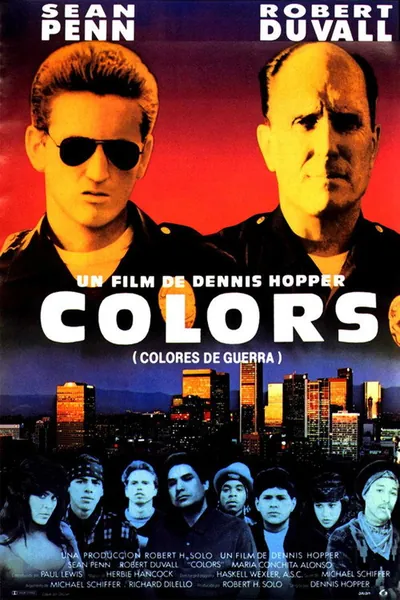 Colors1988
- The Hoodlum Priest 1961 · cinematography
- America America 1963 · cinematography
- The Best Man 1964 · cinematography
- The Loved One 1965 · cinematography
- Who's Afraid of Virginia Woolf? 1966 · cinematography
- In the Heat of the Night 1967 · cinematography
- Faces 1968 · cinematography
- The Thomas Crown Affair 1968 · cinematography
- Medium Cool 1969 · director, cinematography, screenplay, producer
- The Conversation 1974 · cinematography
- One Flew Over the Cuckoo's Nest 1975 · cinematography
- Bound for Glory 1976 · cinematography
- Coming Home 1978 · cinematography
- Lookin' to Get Out 1982 · cinematography
- Matewan 1987 · cinematography
- Colors 1988 · cinematography
- Three Fugitives 1989 · cinematography
- Blaze 1989 · cinematography
- Other People's Money 1991 · cinematography
- Canadian Bacon 1995 · cinematography
- Mulholland Falls 1996 · cinematography
- Battle in Seattle 2007 · cast
- Manufacturing Dissent 2007 · cast
Original Cinematopedia text based on Wikipedia (en) and Wikidata.