
George Fitzmaurice
1885–1940 · American film director and producer of French origin
Biography
George Fitzmaurice (13 February 1885 – 13 June 1940) was a French-born American film director and producer who worked from the 1910s until his death in 1940. He became one of the busiest filmmakers of Hollywood's silent era and carried his career into the sound period. He is best remembered for his skill with actresses and for shaping the screen personas of several stars of the time.
He began in the theatre as a set designer before turning to film, and he directed dozens of pictures, many with stage performers making their screen debuts. Among his successes were the melodrama The Eternal City (1923) and The Son of the Sheik (1926), which cemented Rudolph Valentino's stardom. In the sound era he made his most celebrated films with Greta Garbo, Mata Hari (1931) and As You Desire Me (1932). He also directed a version of Raffles and the caper sequel Arsène Lupin Returns.
His final years brought several mid-production replacements, a common feature of his later career. He is valued today for his work with actors and for a handful of romantic classics, although much of his silent output has been lost.
Key films
- Mata Hari (1931), with Greta Garbo as the spy, one of his best-known sound films.
- As You Desire Me (1932), a Pirandello adaptation starring Greta Garbo and Melvyn Douglas.
- The Son of the Sheik (1926), the hit that cemented Rudolph Valentino's fame.
- The Eternal City (1923), a war melodrama with Lionel Barrymore.
- Raffles (1930), a version of the gentleman thief story with Ronald Colman.
- Suzy (1936), a romantic drama with Cary Grant and Jean Harlow.
Trivia
Mid-shoot replacements
His last period included several replacements during production, such as The Last of Mrs. Cheyney (1937), which was completed by Richard Boleslawski.
Many silent films lost
He directed dozens of silent features, and most of them are now lost.
On Cinematopedia
 Ben-Hur: A Tale of the Christ1925
 Mata Hari1931
 The Son of the Sheik1926
 As You Desire Me1932
 The Barker1928
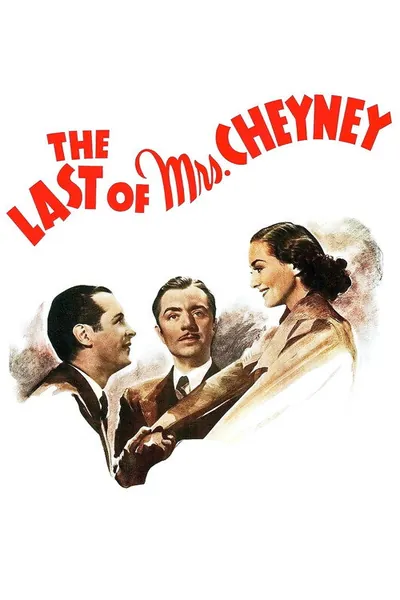 The Last of Mrs. Cheyney1937
 The Eternal City1924
 Raffles1930
 Suzy1936
 The Cheat1923
 The Commuters1915
 Experience1921
- The Commuters 1915 · director
- Arms and the Woman 1916 · director
- A Society Exile 1919 · director
- Counterfeit 1919 · director
- Experience 1921 · director
- Forever 1921 · director
- The Man from Home 1922 · director
- Three Live Ghosts 1922 · director
- The Cheat 1923 · director, producer
- Bella Donna 1923 · director
- The Eternal City 1924 · director
- Cytherea 1924 · director
- Ben-Hur: A Tale of the Christ 1925 · cast
- The Dark Angel 1925 · director
- The Son of the Sheik 1926 · director, producer
- The Barker 1928 · director
- Lilac Time 1928 · director, producer
- Raffles 1930 · director
- Mata Hari 1931 · director, producer
- Strangers May Kiss 1931 · director, producer
- As You Desire Me 1932 · director, producer
- Rockabye 1932 · director
- Nana 1934 · director
- Suzy 1936 · director
- The Last of Mrs. Cheyney 1937 · director
- The Emperor's Candlesticks 1937 · director
Original Cinematopedia text based on Wikipedia (es) and Wikipedia (en) and Wikidata.