
Umberto D.
1952 · Italy · 91 min
- Director
- Vittorio De Sica
- Screenplay
- Cesare Zavattini
- Producer
- Vittorio De Sica, Angelo Rizzoli, Giuseppe Amato
- Music
- Alessandro Cicognini
- Cinematography
- G.R. Aldo
- Editing
- Eraldo Da Roma
Awards: · 1 nominations
Cast
What it is about
Umberto Domenico Ferrari is a retired civil servant in Rome living on a meagre pension. After joining a protest by elderly men demanding higher benefits, he returns to the boarding house where he rents a room and finds that his landlady expects a payment he cannot make. His main companions are his dog Flike and the young, caring maid of the house, who has troubles of her own. As money worries and loneliness pile up, the old man faces the prospect of homelessness while trying to keep his dignity and find a way out for himself and his animal.
How it was made
The film was born from the partnership of Vittorio De Sica and screenwriter Cesare Zavattini, two central figures of Italian neorealism. The lead role went to Carlo Battisti, and much of the cast was made up of non-professional actors, among them Lina Gennari and Maria Pia Casilio, which adds to the sense of naturalism. The shoot follows a logic of duration: scenes linger on everyday gestures without ellipses that compress time, so the story is built from the character's ordinary life rather than a conventional plot. Alessandro Cicognini's score stays discreet, while Aldo Graziati's cinematography records the streets and interiors with restraint.
Reception and legacy
In Italy the film met a difficult reception. De Sica said it was seen as too critical at a time when the country was trying to rebuild national pride after the war, and Giulio Andreotti, the minister responsible for cinema, published an open letter against it. It fared better abroad, and the director considered it his most cherished work. It earned a Cannes Grand Prix nomination for De Sica and an Academy Award nomination for Best Story for Cesare Zavattini. Over time it has come to be regarded as one of the peaks of neorealism and appeared on Time magazine's All-Time 100 Movies list in 2005. Critics and filmmakers such as Ingmar Bergman and Martin Scorsese have praised it.
Stills


Trailer
Clicking loads the video from YouTube (privacy-enhanced mode). Open on YouTube
Trivia
Non-professional cast
Much of the cast were non-professional actors, a common trait of neorealism.
The director's favourite
According to Robert Osborne of Turner Classic Movies, it was De Sica's favourite among all his films.
More films by Vittorio De Sica
 The Garden of the Finzi-Continis
 Bicycle Thieves
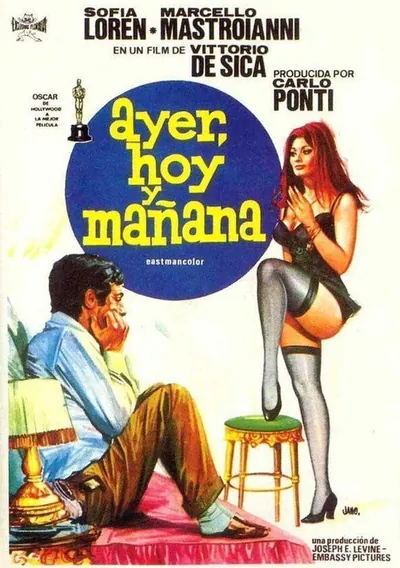 Yesterday, Today and Tomorrow
 Two Women
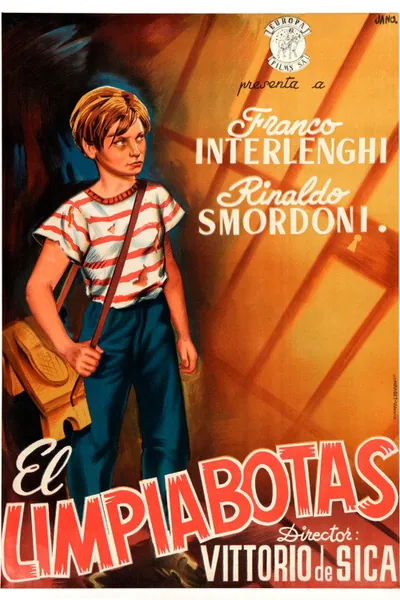 Shoeshine
 Marriage Italian Style
Original Cinematopedia text based on Wikipedia (es) and Wikipedia (en) and Wikidata.