
The Ring
1927 · United Kingdom · 89 min
- Director
- Alfred Hitchcock
- Screenplay
- Alfred Hitchcock, Alma Reville
- Producer
- Lillian Hall-Davis, Ian Hunter, John Maxwell, Forrester Harvey, Carl Brisson
- Cinematography
- Jack E. Cox
- Production company
- Associated British Picture Corporation
What the critics say
90 % Rotten Tomatoes positive reviewsCast
What it is about
Jack Sander, a fairground boxer who has never lost a fight, is beaten in the ring by a mysterious challenger. That opponent, Bob Corby, the Australian heavyweight champion, sees something in Jack and offers him a place as his full-time sparring partner, provided he first wins a trial bout. Meanwhile, Bob starts spending more time with Jack's girlfriend, Mabel, and the relationship between the three grows increasingly strained. The story follows Jack's climb toward a title shot and the personal tensions that come with it, in a silent drama of jealousy, pride and boxing.
How it was made
The film was shot at Elstree Studios by the newly founded British International Pictures, one of the two major British studios of the late 1920s, which was hiring prominent directors from Britain and abroad. It was Hitchcock's first film for the company after leaving Gainsborough, and the first title the company released. The idea grew out of the director's regular visits to London boxing matches, where he noticed the well-dressed, white-clad spectators and the custom of sprinkling fighters with champagne at the end of each round. Although it is often described as his only original screenplay, Eliot Stannard, who wrote his other silent films, also had input. The climactic scenes at the Royal Albert Hall use the Schüfftan process to simulate a large crowd, a technique Hitchcock would revisit in the Albert Hall sequence of The Man Who Knew Too Much.
Reception and legacy
Critics received the film very well, but when it went on general release it was a box-office failure. Its technical achievements have since drawn attention, most notably from François Truffaut and from Claude Chabrol and Éric Rohmer in their writings on Hitchcock. The film was restored in 2012 as part of the BFI's project to preserve the director's surviving silent works, and in 2022 it entered the public domain in the United States.
Stills


Trailer
Clicking loads the video from YouTube (privacy-enhanced mode). Open on YouTube
Trivia
Champagne at the ringside
Hitchcock took the idea from a real custom at London bouts, where fighters were sprinkled with champagne at the end of each round. That detail helped persuade him to develop the story for the screen.
A crowd on film
The Schüfftan process was used to simulate a large audience in the Royal Albert Hall scenes, a technique Hitchcock later reused in The Man Who Knew Too Much.
More films by Alfred Hitchcock
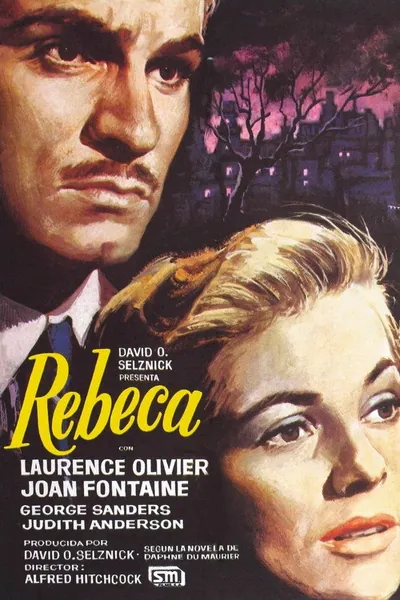 Rebecca
 Psycho
 Vertigo
 Rear Window
 North by Northwest
 The Birds
Original Cinematopedia text based on Wikipedia (en) and Wikidata.