
Borinage (Misère au Borinage)
Borinage
1933 · Belgium · 34 min
- Director
- Joris Ivens, Henri Storck
- Screenplay
- Joris Ivens, Henri Storck
- Cinematography
- Joris Ivens
- Editing
- Helen van Dongen
What it is about
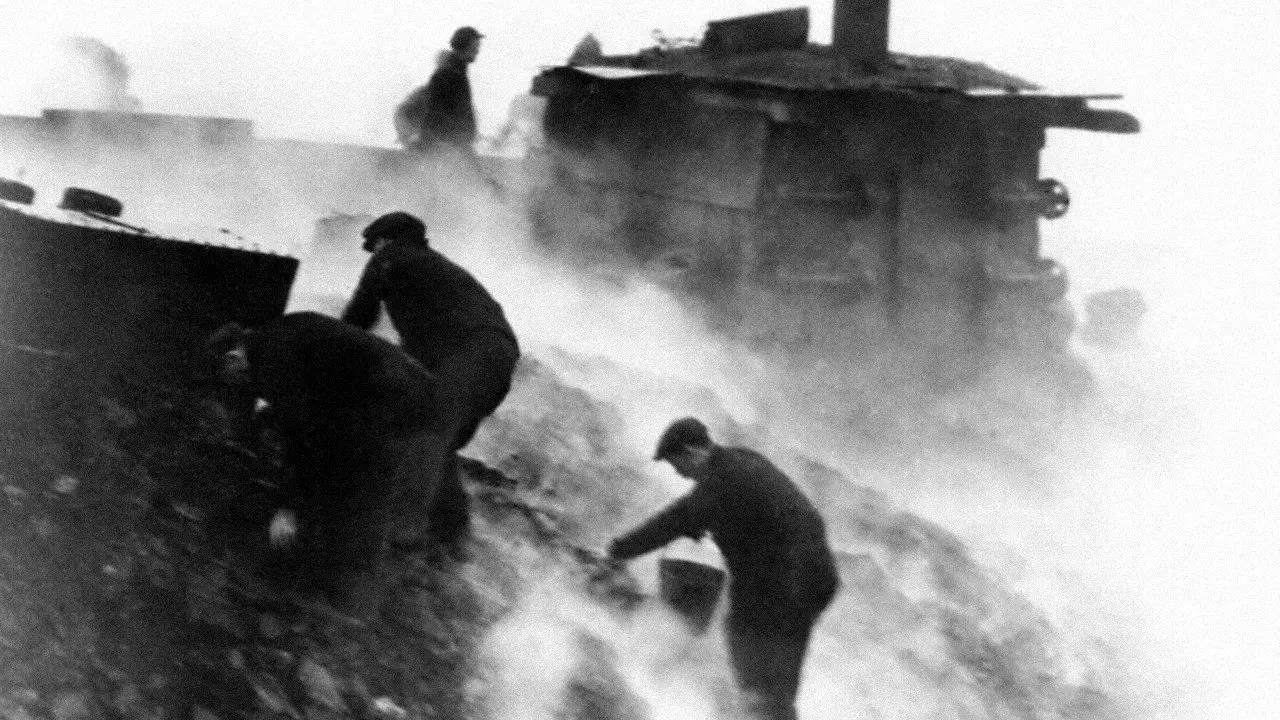
The documentary portrays the Borinage, a mining region in Hainaut Province, Belgium. After the general strike of 1932, many miners were evicted from their homes and left without work. The film focuses on these families and on the harsh living conditions faced by those who work in the coal mines.
How it was made
Joris Ivens and Henri Storck co-directed and co-wrote the film, and Ivens also served as cinematographer. Helen van Dongen edited it. Shot in black and white, it is a silent film with intertitles in French and Dutch. It opens with an intertitle about the crisis in the capitalist world, followed by footage of the 1933 repression of a strike in Ambridge, Pennsylvania, before moving to the Borinage. Its argument is that the poor conditions of Belgian workers could justify strike action.
Reception and legacy
The film was made during the Great Depression and premiered in Brussels in March 1934. It is regarded as a classic of political cinema and one of the most important references in the documentary genre. Storck, who was actually Flemish, was described as the father of Walloon cinema on the strength of this work. In 2000, a new documentary tribute to Storck and the Borinage, titled Les Enfants du Borinage - Lettre à Henri Storck, was made.
Stills
Trivia
An opening slogan
The film opens with an intertitle describing closed factories and millions of hungry proletarians, before showing images from the United States.
A later tribute
In 2000, a documentary titled Les Enfants du Borinage - Lettre à Henri Storck was made as a tribute to Storck and the region.
More films by Joris Ivens
 The Spanish Earth
 Far from Vietnam
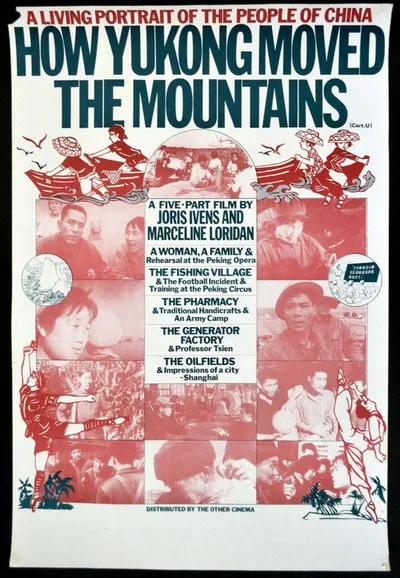 How Yukong Moved the Mountains
 Nanguila Tomorrow
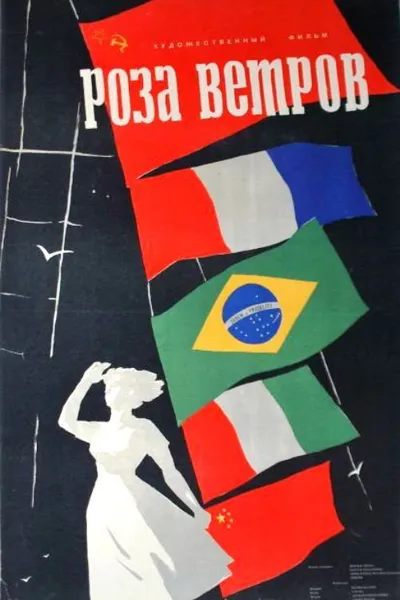 The Windrose
Original Cinematopedia text based on Wikipedia (en) and Wikidata.