
The Four Days of Naples
Le quattro giornate di Napoli
1962 · United States, Italy · 114 min
- Director
- Nanni Loy
- Screenplay
- Nanni Loy, Massimo Franciosa, Vasco Pratolini, Carlo Bernari, Pasquale Festa Campanile
- Producer
- Goffredo Lombardo
- Music
- Carlo Rustichelli
- Cinematography
- Marcello Gatti
- Editing
- Ruggero Mastroianni
- Production company
- Metro-Goldwyn-Mayer, Titanus
Awards: · 3 nominations
What the critics say
80 % Rotten Tomatoes positive reviewsCast
What it is about
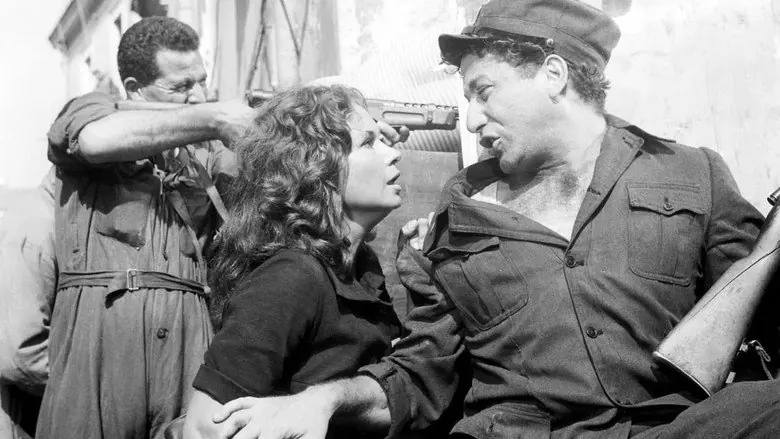
After the armistice between Italy and the Allies, German troops occupy Naples, shoot those who resist, demolish the port facilities and round up young men to be sent to Germany as forced labour. Told through a choral structure, the film follows a range of popular figures, from boys who have escaped a reform school to the young Gennarino Capuozzo. It shows how the city's population, aware that Allied forces are close, rises up spontaneously after the public execution of some Italian sailors. The story focuses on the popular insurrection and on everyday life in a city at war, with individual episodes interwoven over four decisive days.
How it was made
The film was shot on location in the streets of Naples where the events took place, although some scenes were filmed in Salerno, such as the Vomero stadium, which is actually the Stadio Donato Vestuti. The screenplay by Nanni Loy, with Massimo Franciosa, Vasco Pratolini, Carlo Bernari and Pasquale Festa Campanile, was inspired by Aldo De Jaco's 1956 book La città insorge. Produced by Goffredo Lombardo for Titanus and Metro-Goldwyn-Mayer, it features a score by Carlo Rustichelli and cinematography by Marcello Gatti. The cast mixes professional actors with performers playing the popular characters, and the filmmakers chose to honour the people of Naples by having the actors omit their names from the credits.
Reception and legacy
On release the film sparked controversy in Italy and Germany, involving even the German ambassador to Italy, Manfred Klaiber. It was nominated for the Academy Award for Best Foreign Language Film and for Best Original Screenplay, and for a BAFTA Award for Best Film. Italian awards included the Nastro d'Argento for Best Director and for the screenplay, and the Laceno d'oro for Best Director. At the 1963 Moscow International Film Festival it won the FIPRESCI Prize. Its Rotten Tomatoes rating is high, though based on a small number of reviews. It is remembered as one of the works that portrayed Neapolitan popular resistance from a collective perspective.
Stills

Trivia
A tribute to the people
The producers stated that the real stars of the film were the people of Naples, and the professional cast agreed to leave their names out of the credits.
Stand-in locations
The Vomero stadium seen in the film is actually the Stadio Donato Vestuti in Salerno, and the execution scene was shot in front of the Academy of Fine Arts in Naples.
More films by Nanni Loy
 Fiasco in Milan
 Made in Italy
 Café Express
 Goodnight, Ladies and Gentlemen
 Where's Picone?
Original Cinematopedia text based on Wikipedia (es) and Wikipedia (en) and Wikidata.