
The Terrace
La terraza
1963 · Argentina · 90 min
- Director
- Leopoldo Torre Nilsson
- Screenplay
- Beatriz Guido, Leopoldo Torre Nilsson, Ricardo Luna, Ricardo Becher
- Music
- Jorge López Ruiz
Cast
What it is about
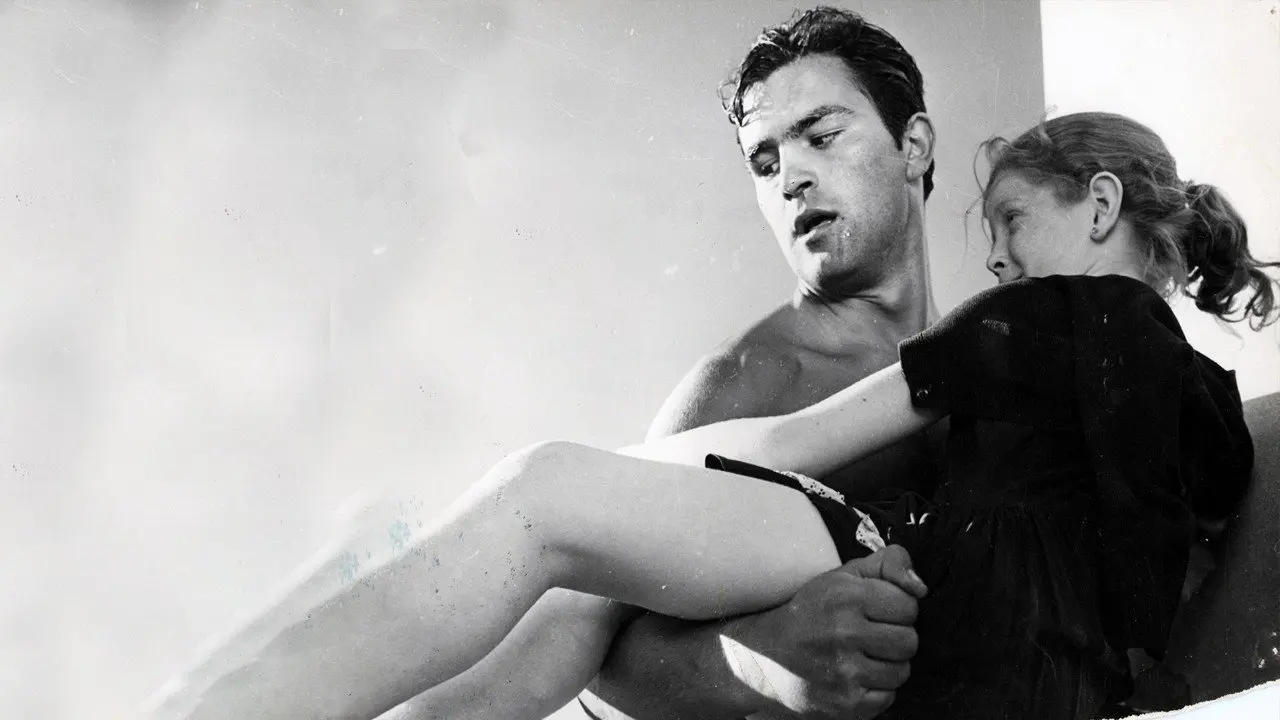
A group of young people from wealthy families in Recoleta, Buenos Aires, takes over the rooftop of a building, which has a swimming pool, to pass the time with parties, games, drinking and flirting. Their rebellion looks more like boredom than a clear purpose. As the hours pass, the gathering crosses paths with people from a different social class, including Belita, the doorman's granddaughter, and her street friend, who works for a revue theatre.
How it was made
A black-and-white film directed by Leopoldo Torre Nilsson from a screenplay he wrote with Beatriz Guido, Ricardo Luna and Ricardo Becher, based on a story by Beatriz Guido. The music is by Jorge López Ruiz. The cast includes Graciela Borges, Leonardo Favio, Héctor Pellegrini and Marcela López Rey, as well as Belita, who appears as herself. The action is concentrated almost entirely on the rooftop, a single setting that shapes the film's structure.
Reception and legacy
It premiered in Argentina on 17 September 1963 and was entered into the competition of the Berlin International Film Festival. The sources consulted do not detail specific awards. It is usually placed within early-1960s Argentine cinema and within Torre Nilsson's filmography, as a portrait of young people from Buenos Aires's wealthy classes.
Stills


Trivia
Belita as herself
The singer and performer Belita appears in the cast playing herself, a role that places her in front of the wealthy young characters of the story.
A black-and-white shoot
The film was shot in black and white, a visual choice that supports the tone of the story.
More films by Leopoldo Torre Nilsson
 The House of the Angel
 Summer Skin
 The Fall
 The Hand in the Trap
 The Party Is Over
 The Seven Madmen
Original Cinematopedia text based on Wikipedia (es) and Wikipedia (en) and Wikidata.