
Ordet
1955 · Denmark · 126 min
- Director
- Carl Theodor Dreyer
- Screenplay
- Carl Theodor Dreyer, Kaj Munk
- Producer
- Carl Theodor Dreyer, Erik Nielsen, Tage Nielsen
- Music
- Poul Schierbeck
- Cinematography
- Henning Bendtsen
- Editing
- Edith Schlüssel
Awards: Golden Lion; Bodil Award for Best Danish Film
What the critics say
100 % Rotten Tomatoes positive reviewsCast
What it is about
The story unfolds in a rural Danish village in the autumn of 1925. Morten Borgen, a devout widower and respected figure in the community, lives with his sons: Mikkel, who has no religious faith and is married to the pious Inger, who is expecting their third child; Johannes, whose mind has given way after reading Kierkegaard and who believes himself to be Christ; and Anders, in love with Anne, the daughter of Peter, a member of a strict Lutheran sect. The courtship divides the two families, and a difficult labor puts Inger's life at risk. The film explores uncertainty between faith and reason in an austere, restrained setting.
How it was made
Dreyer resumed his career in 1952, when he was granted a lifelong lease on the Dagmar Bio, an art-house cinema in Copenhagen, which helped him fund a new project with Palladium. The source was Kaj Munk's play, first staged in 1932. Rights were tied up by a 1943 Swedish adaptation, which delayed production until 1954. Dreyer revised the text, cut about two-thirds of the original dialogue and added the opening scene. Shooting took four months, two in a studio and two in Vedersø, a West Jutland village where Munk had served as a pastor. Dreyer shot one setup a day, rehearsed each morning, and favored long takes and a slow camera. Cinematographer Henning Bendtsen composed each image like a painting.
Reception and legacy
The film won the Golden Lion at Venice in 1955 and the Bodil Award for Best Danish Film. It was the only Dreyer film to succeed both with critics and at the box office. Over time it has come to be regarded as one of cinema's great achievements, admired especially for its cinematography. In Sight and Sound's 2012 poll it ranked 19th in the directors' poll and 24th in the critics' poll.
Stills


Trivia
An almost empty kitchen
Dreyer had the kitchen fitted with everything he considered right for a country kitchen, then removed objects until only ten or fifteen remained.
One shot a day
Each day a single shot was filmed, usually in two or three takes, after morning rehearsals and lighting and camera setup.
114 shots
The film contains 114 individual shots, and some last up to seven minutes.
More films by Carl Theodor Dreyer
 The Passion of Joan of Arc
 Day of Wrath
 Vampyr
 Gertrud
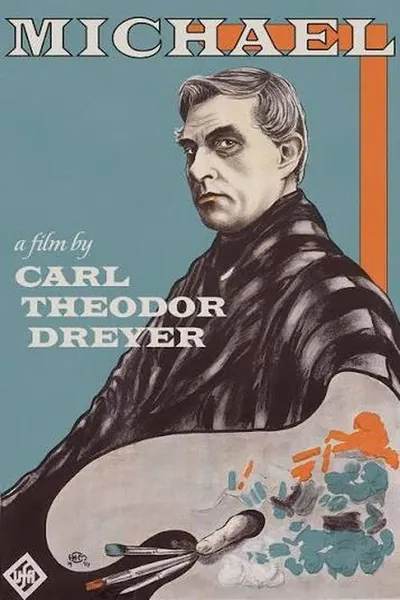 Michael
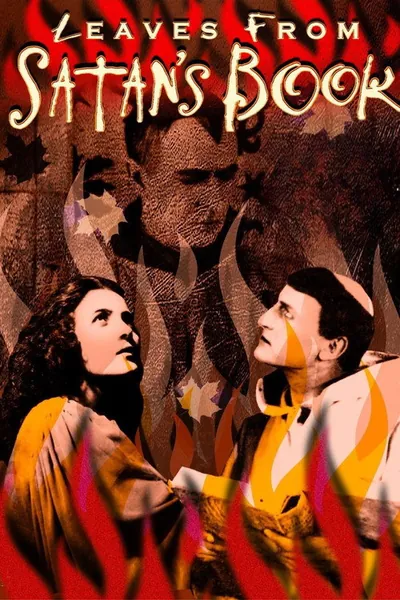 Leaves from Satan's Book
Original Cinematopedia text based on Wikipedia (es) and Wikipedia (en) and Wikidata.