
Leprechaun
1993 · United States · 92 min
- Director
- Mark Jones
- Screenplay
- Mark Jones
- Producer
- Mark Amin, Michael Prescott
- Music
- Kevin Kiner
- Cinematography
- Levie Isaacks
- Editing
- Christopher Roth
- Production company
- Trimark Pictures
Cast
What it is about
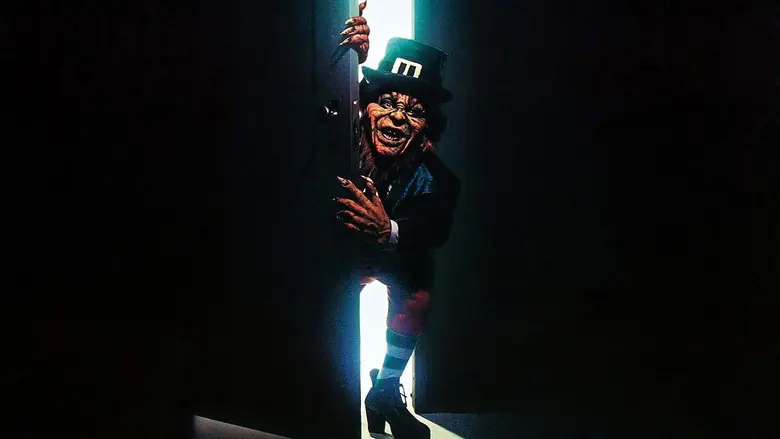
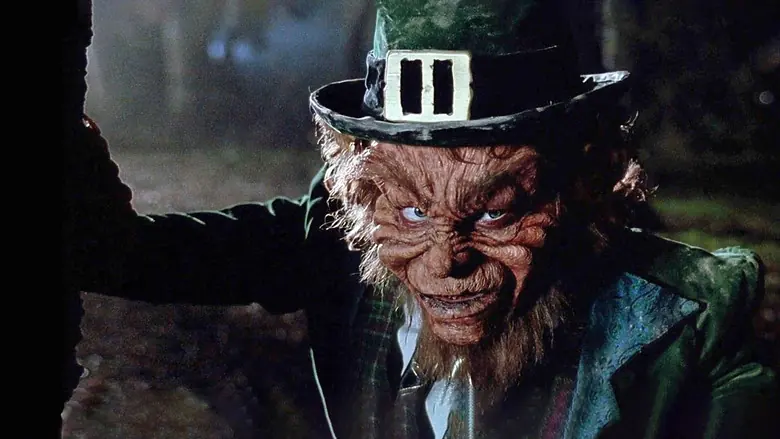
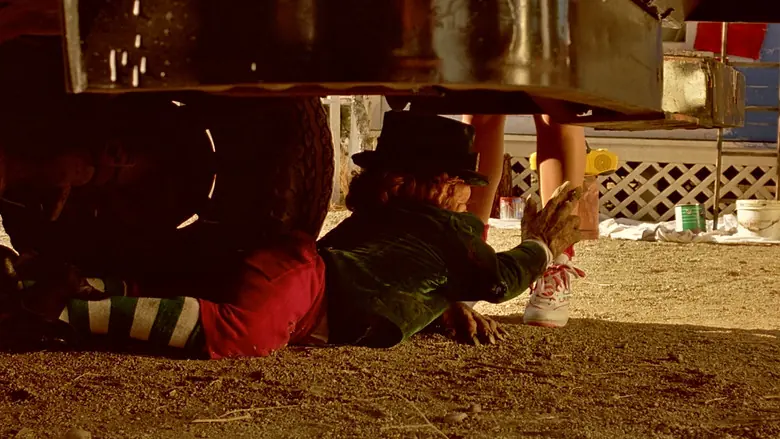
In 1983, Dan O'Grady returns to his North Dakota farm from a trip to Ireland carrying a pot of gold he obtained in a questionable way. A decade later, J. D. Redding and his teenage daughter Tory rent the house for the summer. When a pair of hired painters stumble onto something they should have left alone, the family learns that the gold has a very vindictive owner, far more dangerous than they expected. The film mixes the suspense of a hunt with a steadily lighter tone, and gives its characters a practical problem: how to get rid of a creature that does not give up easily and cannot be fooled for long.
How it was made
Mark Jones wrote and directed the film after a career in American television. He began writing the script in 1985, and has said that the leprechaun idea grew partly out of the Lucky Charms commercials, with the twist of making the character a villain. Trimark, which wanted to move into film production, backed the project, and it became the first theatrical release made in-house by the company. The budget was just under a million dollars. Warwick Davis, coming off a quieter stretch after Willow, was keen to play against type and pushed the character toward humor, so the film was shaped as a horror comedy. Jennifer Aniston, then little known, made her big-screen debut. Shooting took place in California, at Valencia Studios and Big Sky Ranch, and the Reding house was built specifically for the production. After the studio asked for a grislier version, several scenes were reshot, and Gabe Bartalos handled the make-up effects.
Reception and legacy
The film opened in January 1993 in more than 620 American theaters and earned about $8.5 million domestically on a budget of roughly a million dollars. Critics were largely negative, objecting to the direction, the performances and the humor, and many found it excessively violent. Over time it has become a cult favorite of horror comedy and is often broadcast around St. Patrick's Day. Its commercial success led to six sequels and a reboot.
Stills
Trailer
Clicking loads the video from YouTube (privacy-enhanced mode). Open on YouTube
Trivia
A role against type
Warwick Davis wanted to move away from his earlier roles and pushed to add humor to the character, which was first conceived as a more straightforward horror figure.
Trimark's first in-house release
It was the first film produced in-house by Trimark to receive a theatrical release, an important step for the company.
Original Cinematopedia text based on Wikipedia (es) and Wikipedia (en) and Wikidata.