
The Wicked Lady
La dama perversa
1983 · United Kingdom, Australia · 97 min
- Director
- Michael Winner
- Screenplay
- Michael Winner
- Producer
- Menahem Golan, Yoram Globus
- Music
- Tony Banks
- Cinematography
- Jack Cardiff
- Editing
- Michael Winner
Awards: · 1 nominations
Cast
What it is about
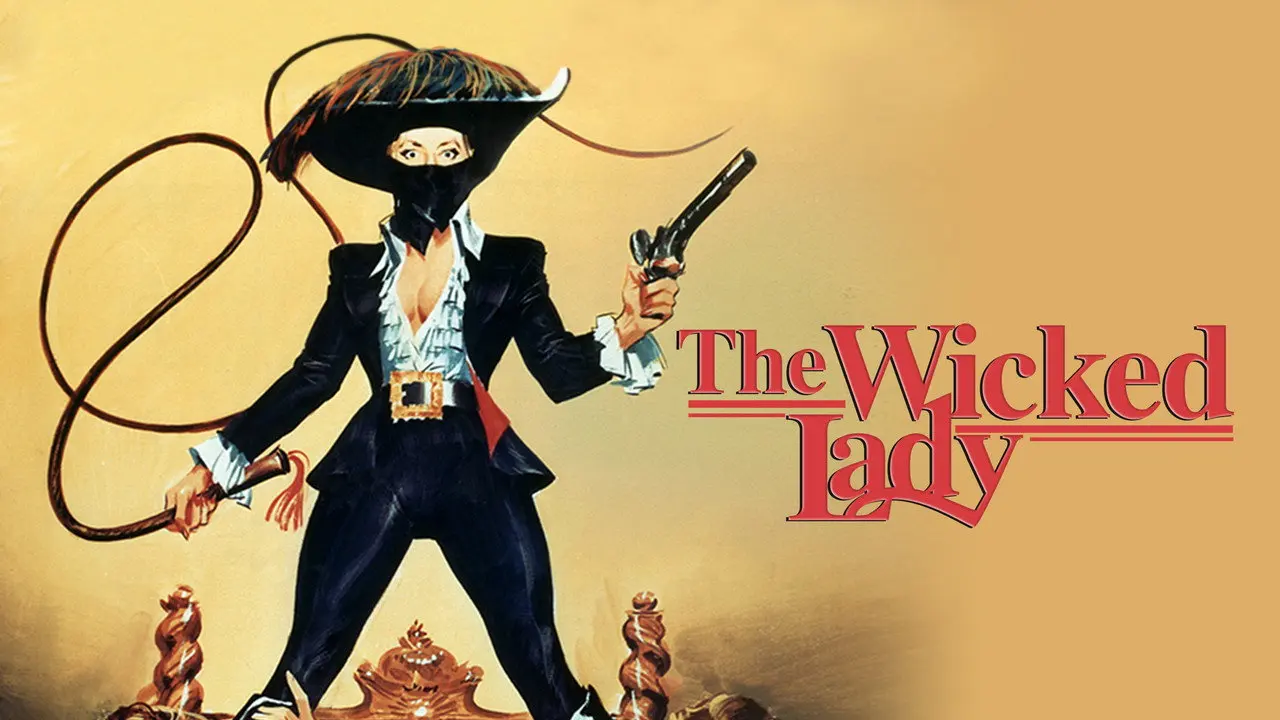
Caroline is about to marry Sir Ralph Skelton and asks her sister Barbara to join her as a bridesmaid. Barbara, however, seduces the groom and ends up marrying him herself. Despite her newfound wealth, boredom drives her to seek excitement on the open road, where her identity begins to attract suspicion.
How it was made
The film is a remake of the 1945 picture of the same name, one of the popular melodramas made by Gainsborough. Michael Winner bought the rights from the Rank Organisation and secured financing from The Cannon Group, which assembled Faye Dunaway, Alan Bates and John Gielgud for the leads. Winner called the concept 'Bonnie and Clyde in the 17th century.' Dunaway later said it was the only film she had ever enjoyed making. The score was composed by Tony Banks, keyboardist of Genesis. The British censor demanded that a whip-fight scene be cut to avoid an X certificate, but after Winner's appeal the film was released uncut.
Reception and legacy
The Wicked Lady was screened out of competition at the 1983 Cannes Film Festival. Dunaway received a nomination for Worst Actress at the Golden Raspberry Awards, and audiences polled by CinemaScore gave it an average grade of D+. It is not generally credited with a notable influence on film history beyond its standing as a remake of a well-known British classic.
Stills


Trivia
A fee given away
Actor Mark Burns played King Charles II, but Winner could not afford even the union minimum, so Burns donated to the Police Memorial Trust, which Winner ran.
A lighter shoot
Dunaway described the shoot as a light experience after Mommie Dearest, which she called decidedly harrowing.
More films by Michael Winner
 Death Wish
 Death Wish 3
 Death Wish II
 Appointment with Death
 The Mechanic
 Chato's Land
Original Cinematopedia text based on Wikipedia (en) and Wikidata.