
Poison Ivy
Hiedra Venenosa
1992 · United States · 89 min
- Director
- Katt Shea
- Screenplay
- Katt Shea
- Music
- David Michael Frank
- Cinematography
- Phedon Papamichael
- Production company
- New Line Cinema
What the critics say
38 % Rotten Tomatoes positive reviewsCast
What it is about
Sylvie Cooper is a withdrawn, rebellious student at an expensive private school, caught in tense relations with her father Darryl, a television executive whose career is in decline, and her chronically ill mother Georgie. Her life shifts when she meets Ivy, a streetwise and enigmatic girl from a poorer background. Ivy earns the trust of Sylvie and then of her parents, gradually settling into the household as if she belonged there. The film builds a game of seduction and manipulation in which every character is hiding something from the others.
How it was made
The original idea came from producers Melissa Goddard and Peter Morgan, who pitched it to New Line Cinema. The studio hired Katt Shea, a director who had worked for Roger Corman, and according to production chief Sara Risher, the company wanted what amounted to a teenage Fatal Attraction. The script went through three drafts, and the production shot four different endings. Shea wanted Ivy to get away with her crimes, but New Line insisted she be punished. The director has said she never saw Ivy as a villain, but as a tragic figure who simply wants to be loved. The film was shot in Los Angeles, with a score by David Michael Frank and cinematography by Phedon Papamichael.
Reception and legacy
The film premiered at the Sundance Film Festival in January 1992, where, according to The New York Times, audiences were either enraptured or insulted. It opened in the United States on May 8, 1992, in a very limited release, and grossed $1,829,804. Critical reaction was largely negative: Rotten Tomatoes lists a 39 percent approval rating and Metacritic a score of 51 out of 100. Variety and the Los Angeles Times faulted its predictability, and Roger Ebert gave it two and a half stars out of four. Over time, however, it found an audience on cable and video and gained cult status. It launched a franchise of three direct-to-video sequels, to which Shea refused to contribute, a decision she now says she regrets.
Stills


Trailer
Clicking loads the video from YouTube (privacy-enhanced mode). Open on YouTube
Trivia
Four endings shot
The production filmed four different endings. The director wanted Ivy to escape, but the studio insisted on an ending in which the character dies.
A studio pitch
Production chief Sara Risher described the studio's brief as a teenage version of Fatal Attraction.
More films by Katt Shea
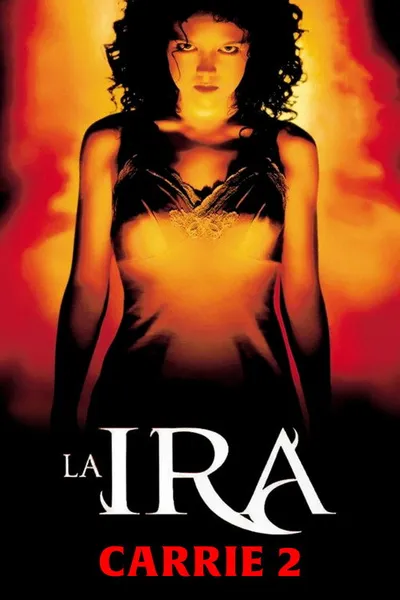 The Rage: Carrie 2
Original Cinematopedia text based on Wikipedia (es) and Wikipedia (en) and Wikidata.