
Generation P
2011 · Russia · 112 min
- Director
- Victor Ginzburg
- Screenplay
- Victor Pelevin, Victor Ginzburg
- Producer
- Aleksey Ryazantsev
- Cinematography
- Aleksey Rodionov
- Production company
- Gorky Film Studio
- Based on
- Generation "П"
What the critics say
75 % Rotten Tomatoes positive reviewsCast
What it is about
Russia, the nineties. Babylen Tatarsky, a frustrated young poet in post-Soviet Moscow, takes a job as an advertising copywriter and discovers a talent for giving Western-style ads a distinctly Russian twist. His rise draws him into a world of power, savage capitalism and political manipulation, where advertising and politics blur together. The film follows his change from disillusioned idealism to a position of influence that grows more questionable with every step.
How it was made
Based on Victor Pelevin's 1999 novel, the film was written and directed by Victor Ginzburg, who got it made independently under the auspices of the Gorky Film Studio. Its budget of roughly seven million dollars came together with great difficulty: state subsidy applications were refused, and funding shortages halted filming three times, stretching production to five years. Several brands that appear in the story helped finance it, and the director wanted their integration into the plot to be free of the usual product placement restrictions.
Reception and legacy
The film opened in April 2011 in Russia, Ukraine and Kazakhstan and became the highest-grossing Russian film of the spring-summer season. Critics gave it generally favourable reviews, praising its visual style and its satire of advertising and post-Soviet politics. It won a Special Jury Mention at the Karlovy Vary International Film Festival.
Stills
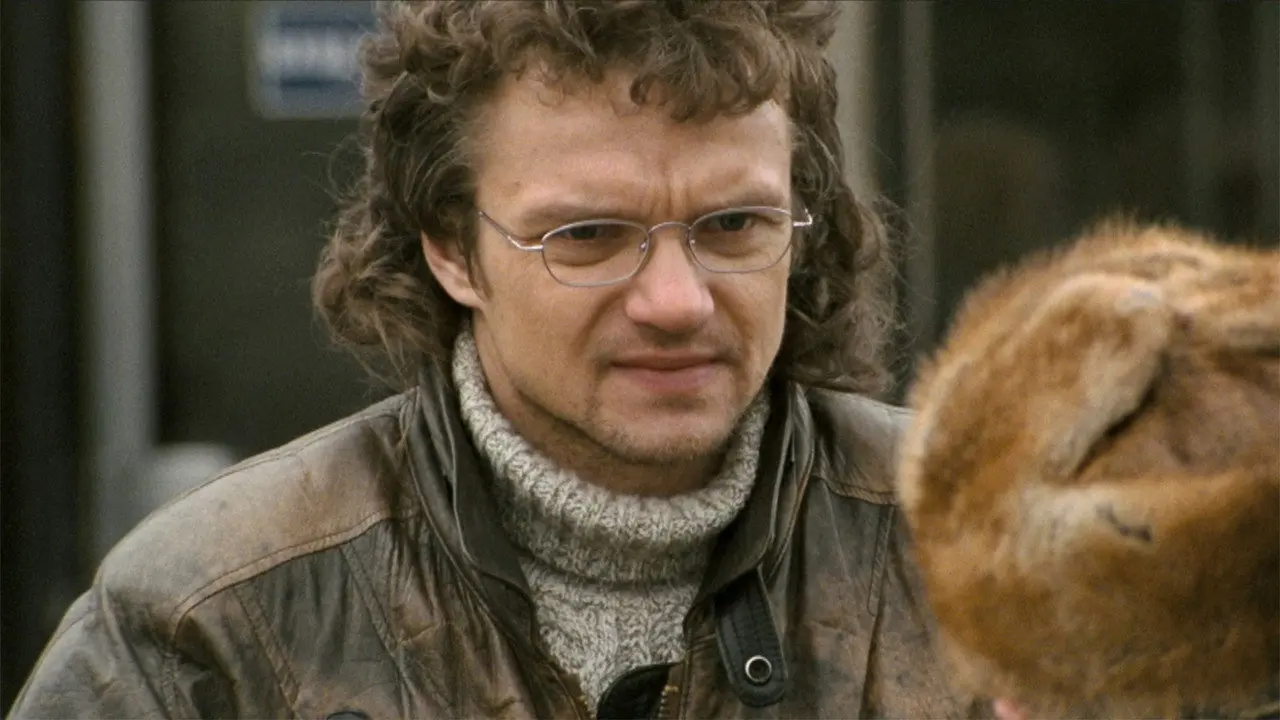
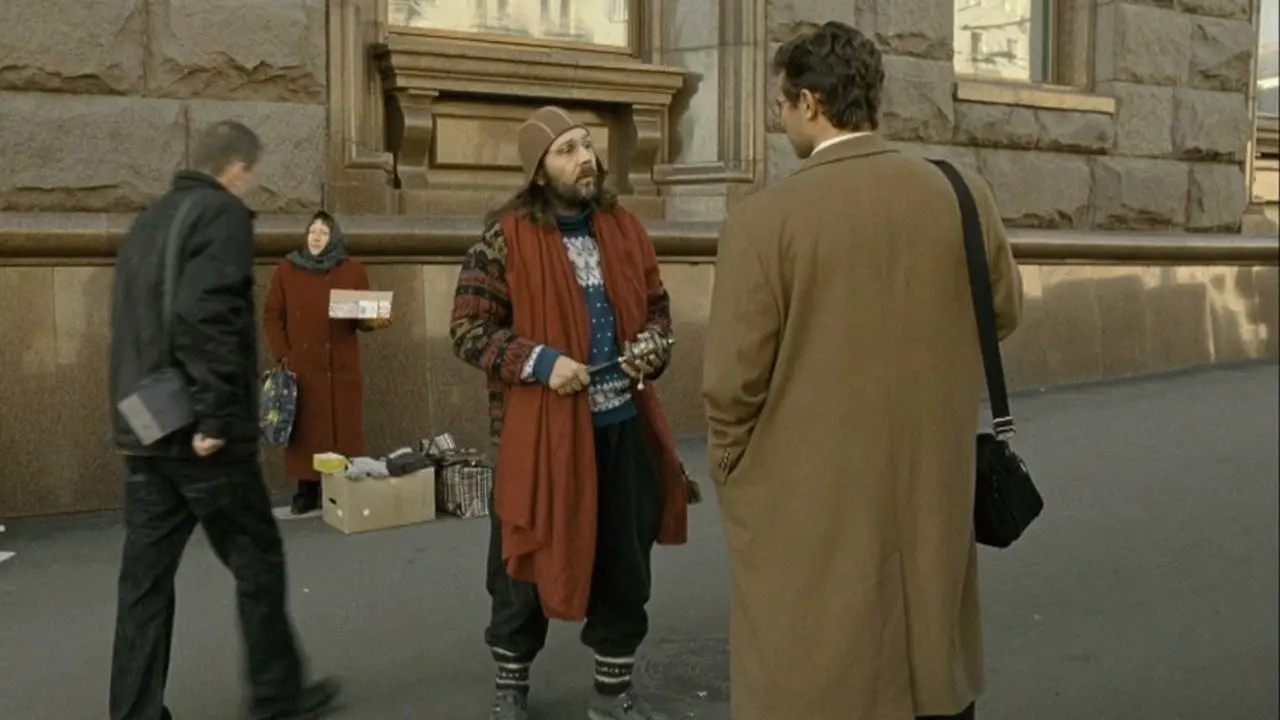
Trailer
Clicking loads the video from YouTube (privacy-enhanced mode). Open on YouTube
Trivia
Independent financing
The director raised the budget of roughly seven million dollars himself. Filming was halted three times, including during the 2008 financial crisis.
Brands in the plot
Several companies, including Coca-Cola, PepsiCo and Apple, appear in the film and helped finance and promote it.
Original Cinematopedia text based on Wikipedia (en) and Wikidata.