
One-Eyed Jacks
El rostro impenetrable
1961 · United States · 141 min
- Director
- Marlon Brando
- Screenplay
- Sam Peckinpah, Rod Serling, Calder Willingham, Guy Trosper
- Producer
- Walter Seltzer, George Glass
- Music
- Hugo Friedhofer
- Cinematography
- Charles Lang
- Editing
- Archie Marshek
- Production company
- Paramount Pictures
Awards: · 1 nominations
What the critics say
61 % Rotten Tomatoes positive reviewsCast
What it is about
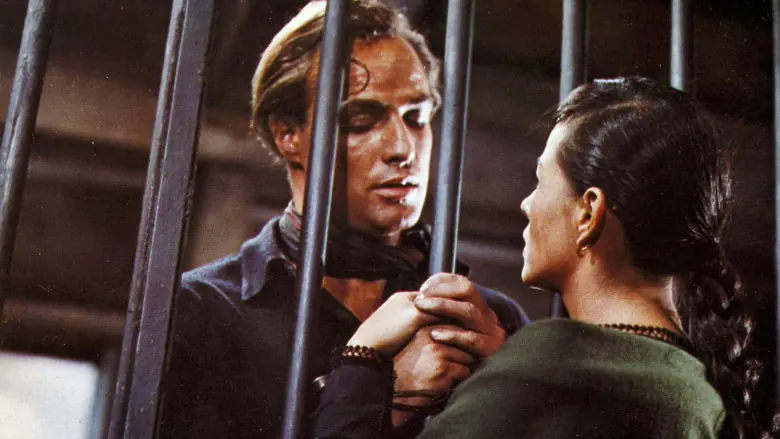
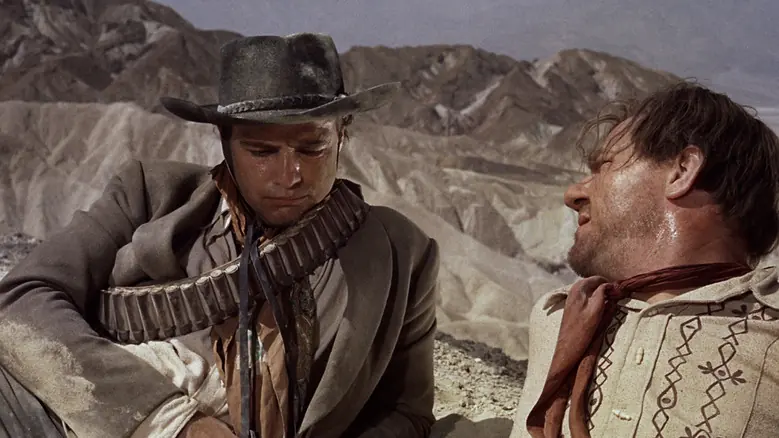
After a bank robbery in a small border town, the outlaw Rio and his mentor Dad Longworth divide the loot, but Dad leaves Rio to the Mexican authorities, who imprison him in a harsh Sonoran prison. Five years later Rio escapes with a single purpose: to find his former partner and take revenge. His search leads him to Monterey, California, where Dad is now sheriff, and his plans grow complicated when he falls for Louisa, Dad's stepdaughter. The film explores the tension between a desire for personal justice and the feelings that take hold in a place he did not expect.
How it was made
The project grew out of Charles Neider's 1956 novel The Authentic Death of Hendry Jones, a fictional take on the Billy the Kid legend moved to California. Rod Serling wrote an adaptation that was rejected, after which Sam Peckinpah delivered drafts in 1957 and 1959. Stanley Kubrick was initially set to direct but stepped away only weeks before filming began in 1958. Marlon Brando took over the directing job after Karl Malden turned it down, then fired Peckinpah and Calder Willingham before Guy Trosper completed the script. Principal photography ran to six months instead of the planned three, and the budget soared. Brando returned to reshoot the ending, which had originally killed off Louisa. Charles Lang's cinematography was shot in VistaVision, a format the film would be among the last to use.
Reception and legacy
American critics met the film with reservations, many calling it a vanity project, while European audiences were warmer. It won the Golden Shell at the 1961 San Sebastián festival, and Pina Pellicer took the Best Actress prize. In the United States it was a commercial disappointment, and its only Oscar nomination went to Charles Lang for Best Cinematography, Color. Its reputation has grown over the decades, and in 2018 it was selected for preservation in the National Film Registry by the Library of Congress. It remains Brando's only feature as director, which makes it a singular entry in his career.
Stills

Trailer
Clicking loads the video from YouTube (privacy-enhanced mode). Open on YouTube
Trivia
An inherited direction
Stanley Kubrick was the first director attached, but he left the project two weeks before filming was due to start.
A changed ending
Brando reshot the conclusion because the original ending, in which Louisa dies, struck him as too bleak.
Original Cinematopedia text based on Wikipedia (es) and Wikipedia (en) and Wikidata.