
The Kingdom of Dreams and Madness
El reino de los sueños y la locura
2013 · Japan · 118 min
- Director
- Mami Sunada
- Screenplay
- Mami Sunada
- Producer
- Nobuo Kawakami
- Music
- Masakatsu Takagi
What the critics say
92 % Rotten Tomatoes positive reviewsCast
What it is about
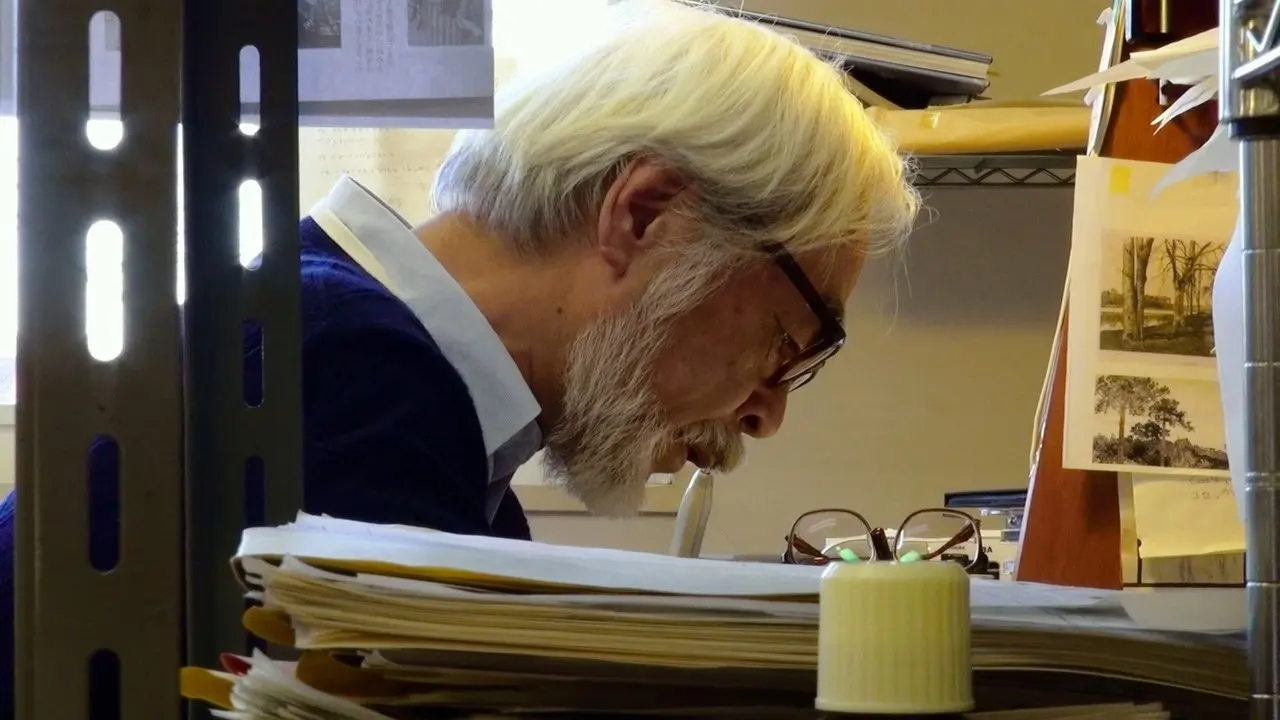
This documentary by Mami Sunada follows the daily routine at Studio Ghibli through Hayao Miyazaki, Isao Takahata and Toshio Suzuki, as they prepare the almost simultaneous release of The Wind Rises and The Tale of the Princess Kaguya. The camera watches the everyday work of artists, animators and producers, along with the discipline and working philosophy Miyazaki demands from his team.
How it was made
The film grows out of direct observation of the studio while both features were in production. It shows the stages of animation: Miyazaki's storyboards, key animation, colouring, backgrounds and reviews by Miyazaki and the animation supervisors. It also covers how Hideaki Anno came to voice the lead in The Wind Rises, from an initial suggestion to an audition, building on their earlier work together. Between work scenes, Sunada weaves in moments from Miyazaki's private life, including his views on nuclear power.
Reception and legacy
Critics were largely positive, and the film's Rotten Tomatoes score sits above 90 percent. The Verge called it essential viewing for any Ghibli fan, while Variety praised the contrast between the studio's serene atmosphere and the painful grind of animation. It screened at the Hawaii International Film Festival in 2014 and joined Netflix's streaming library in 2015.
Stills


Trailer
Clicking loads the video from YouTube (privacy-enhanced mode). Open on YouTube
Trivia
A nearly improvised casting idea
According to the documentary, the idea of Anno as voice actor first came up half-jokingly during a meeting before becoming a serious proposal.
A personal motive
Miyazaki explains that the film stems partly from his family history, as his father made aircraft parts for the war effort.
Original Cinematopedia text based on Wikipedia (es) and Wikipedia (en) and Wikidata.