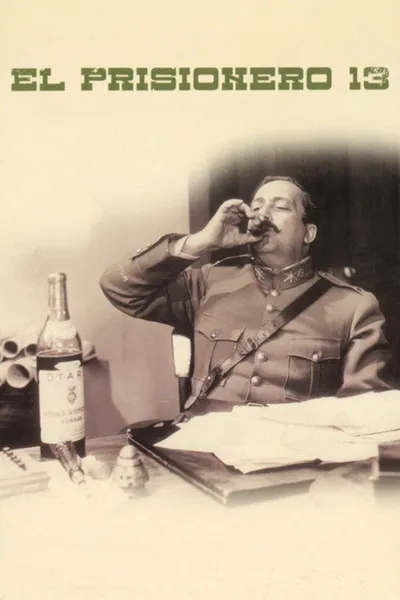
Prisoner 13
El prisionero trece
1933 · Mexico · 76 min
- Director
- Fernando de Fuentes
- Screenplay
- Fernando de Fuentes
- Cinematography
- Ross Fisher
- Editing
- Aniceto Ortega
Cast
What it is about
Colonel Carrasco, an officer in the army of the Porfiriato and later of Huerta, is a heavy drinker and womanizer who mistreats his wife, Marta. Tired of the abuse, she leaves home and takes Juan, the couple's young son, with her. Years later, the Mexican Revolution has broken out and the boy has grown into a man.
How it was made
Fernando de Fuentes wrote and directed the film, shot at the Nacional Productora studios from 3 March 1933. It premiered on 31 May that year at the Cine Palacio. Its promotion included a contest published in El Universal, in which the public had to find the fellow prisoners of a man on Avenida Madero to win cinema tickets and lottery tickets. It is part of a trilogy about the revolution alongside El compadre Mendoza and Vámonos con Pancho Villa.
Reception and legacy
The film ran for one week in cinemas and caused a stir for its critical portrait of the military authorities, which was considered an insult to the army. A more reassuring ending was then imposed on the tragic vision, inspired by Aeschylus, that De Fuentes had conceived. It is often compared with D. W. Griffith's The Avenging Conscience (1914), which also had a surprise ending. Today it is valued for conveying the tragic atmosphere of the revolution, which audiences of the time knew firsthand.
Stills

Trivia
A street contest
According to the press of the time, the top prize was reserved for whoever found prisoner number thirteen. Only one of the companions was located, so the activity was repeated with more clues.
More films by Fernando de Fuentes
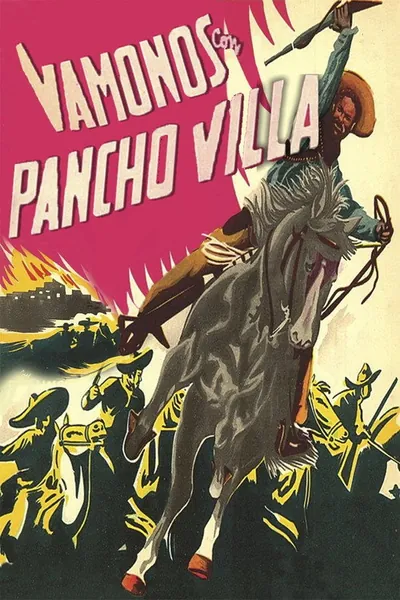 Let's Go with Pancho Villa
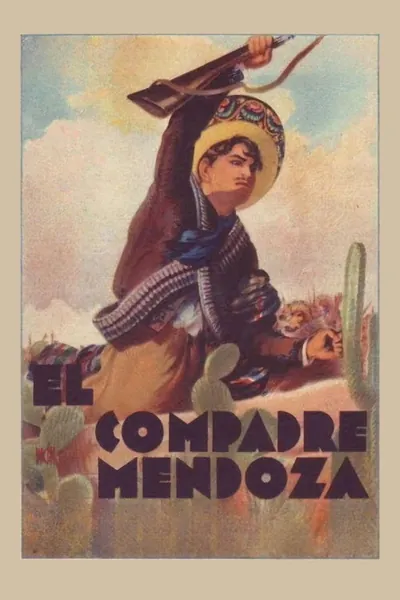 Godfather Mendoza
 Allá en el Rancho Grande
 The Soulless Woman
 Cruz Diablo
 Doña Bárbara
Original Cinematopedia text based on Wikipedia (es) and Wikipedia (en) and Wikidata.