
Attack Force Z
Ataque Fuerza Z
1982 · Australia · 93 min
- Director
- Tim Burstall
- Screenplay
- Roger Marshall
- Producer
- John McCallum, Lee Robinson
- Music
- Eric Jupp
- Editing
- David Stiven
Cast
What it is about
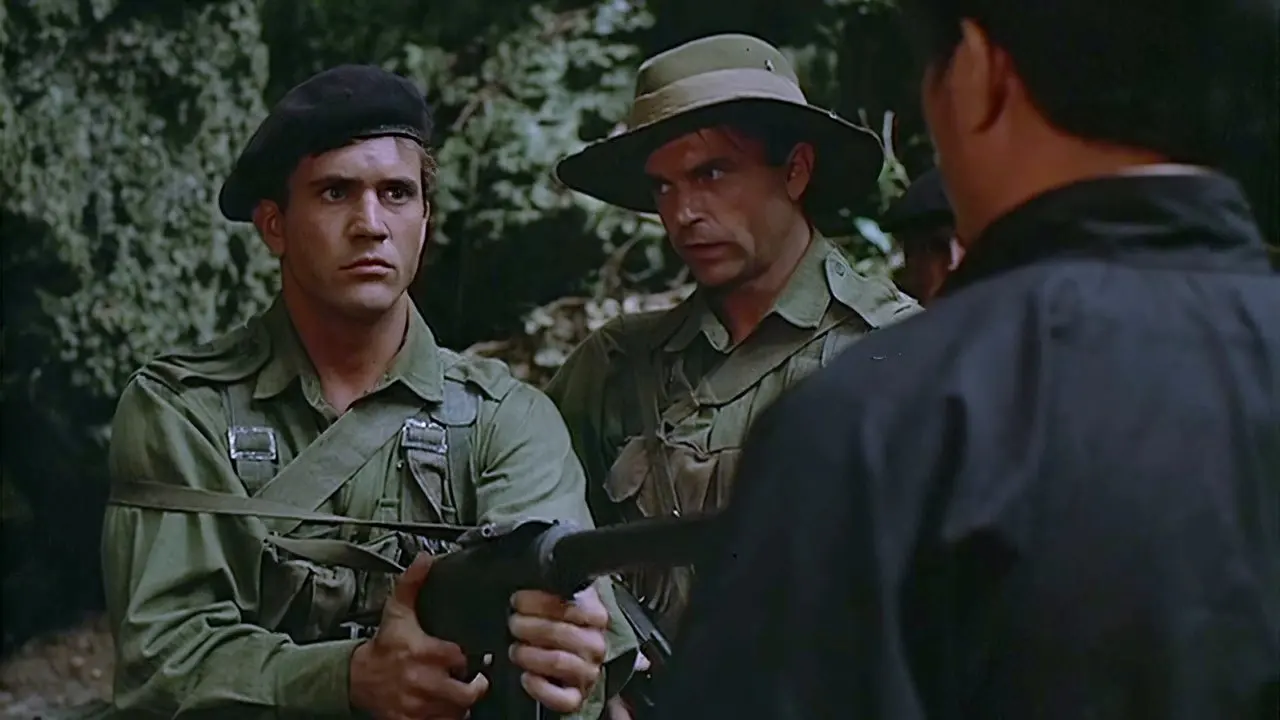
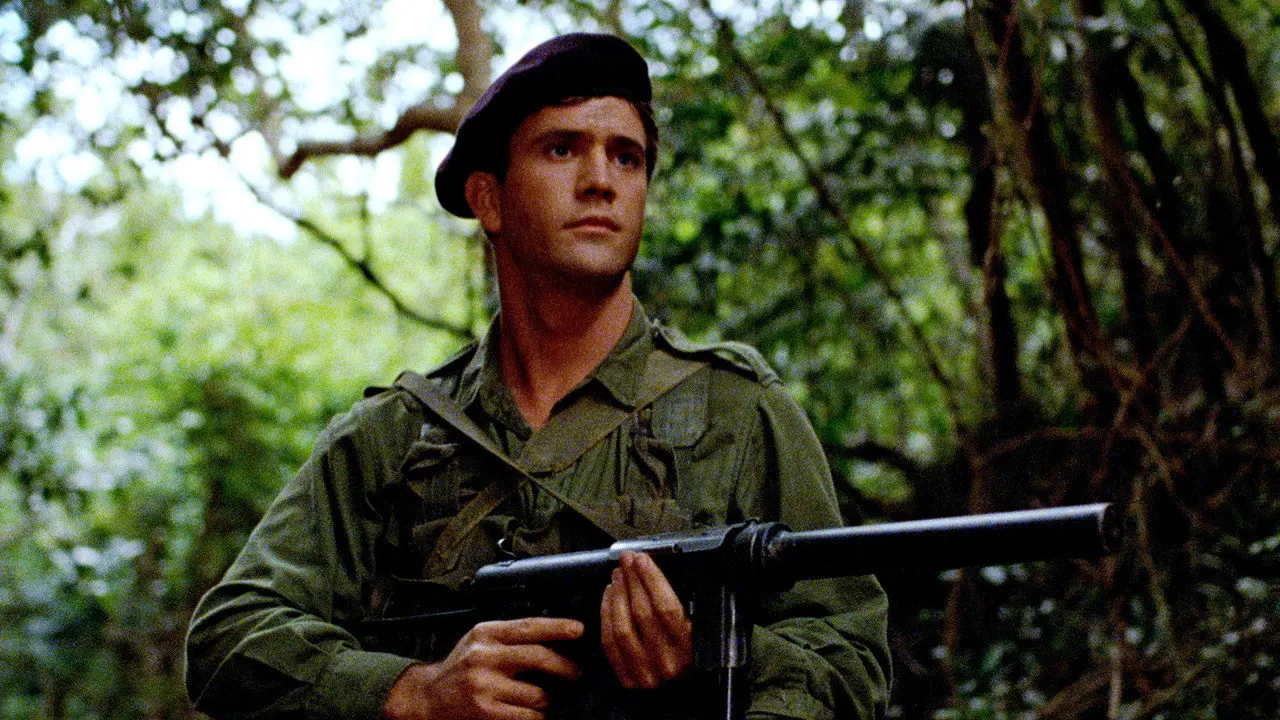
During the Second World War, a small team from Z Special Unit, a joint Australian, British and New Zealand commando force, is sent to an island in the Straits of Sembaleng held by the Imperial Japanese Army. Their task is to locate and rescue the survivors of a downed aircraft. The plan soon grows complicated, and the inexperienced officer in charge must earn the trust of his men while seeking support from the local resistance.
How it was made
Loosely based on a real commando rescue, Operation Opossum, which freed a local sultan on Ternate near Borneo, the project was originally called The Z Men and was to be directed by Phillip Noyce. After clashes with the producers, he was dismissed and replaced by Tim Burstall in November 1979. Shot on location in Taiwan as an Australian co-production, the production was slowed by constant rain and rewrites. A book by Gene Janes, published under the pseudonym Owen Gibson, led to a legal dispute over the rights.
Reception and legacy
It was screened at the Cannes Film Festival in 1981 but had little distribution, opening only in Melbourne, where it took about 88,000 Australian dollars of the time. Mel Gibson later called it pretty woeful, so bad it is funny. Today it is remembered mainly for bringing together Gibson and Sam Neill, then little known outside Australia, before they became international stars.
Stills

Trailer
Clicking loads the video from YouTube (privacy-enhanced mode). Open on YouTube
Trivia
A real-life basis
The script drew on Operation Opossum, a commando rescue on the Japanese-held island of Ternate near Borneo.
An added character
A fifth team member, a soldier played by John Waters, was added to the script and is killed by one of his own men early in the film.
Original Cinematopedia text based on Wikipedia (es) and Wikipedia (en) and Wikidata.