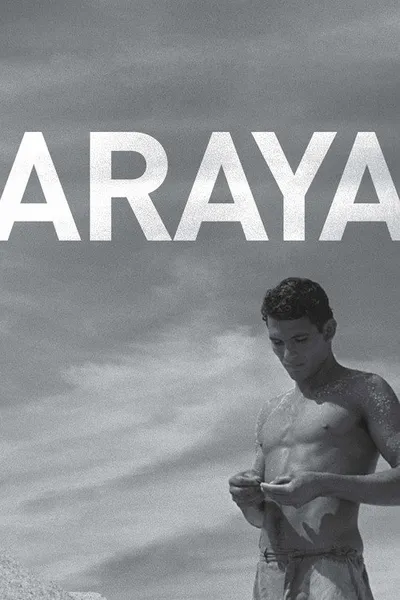
What it is about
Across a single day, the film follows the salt workers and fishermen of the Araya Peninsula, a barren stretch of land on the northeast coast of Venezuela where life depends almost entirely on the sea and its salt. The area was once one of the wealthiest in the New World, when salt was mined by hand for centuries and pirates, slave traders and smugglers passed through. After that prosperous era, the region fell into isolation. The story centres on three families whose ordinary gestures, repeated through the hours of work, take on an almost ritual quality against an eroded landscape and a relentless light.
How it was made
In late 1957, after studying historical records in libraries in Seville, Madrid and Amsterdam and spending time living among the local community, Margot Benacerraf began shooting with her cameraman Giuseppe Nisoli. The crew was just two people. Colour film was available, but they chose black and white, which they felt conveyed the subjects more powerfully. Once filming ended, Benacerraf worked in Paris on editing and sound, recording the French narration with actor Laurent Terzieff. The Spanish version features the voice of José Ignacio Cabrujas. Guy Bernard's score draws on Latin American folk themes. The director has insisted the film is a poetic narrative rather than a documentary.
Reception and legacy
Araya premiered at the 1959 Cannes Film Festival, where it won the Commission Superior Technique Prize and, shared with Hiroshima mon amour, the International Critics Prize (FIPRESCI). It then screened as guest of honour at several festivals and received special presentations in other cities. Over the years it has come to be regarded as one of the great Latin American films and a cult classic, a reference for filmmakers across generations and considered a precursor of Brazil's Cinema Novo, with influence on Glauber Rocha. Its lyricism has led critics to describe it as a visual poem about salt.
Stills

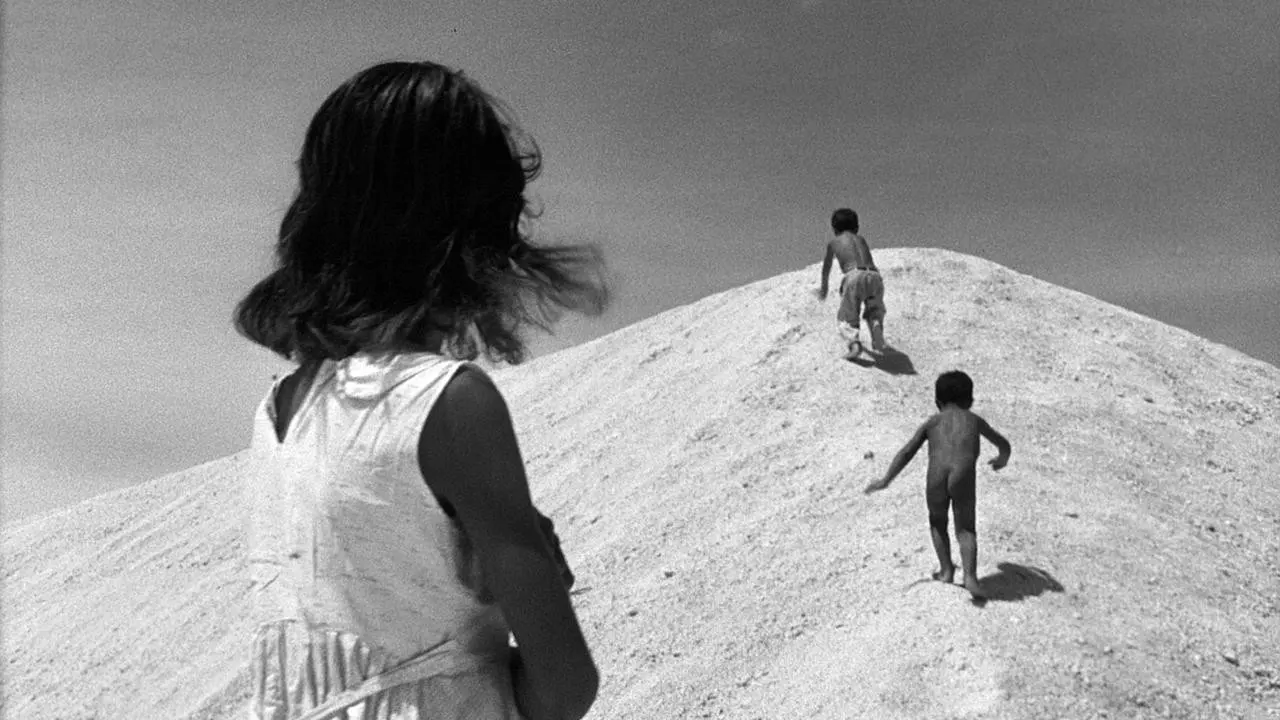
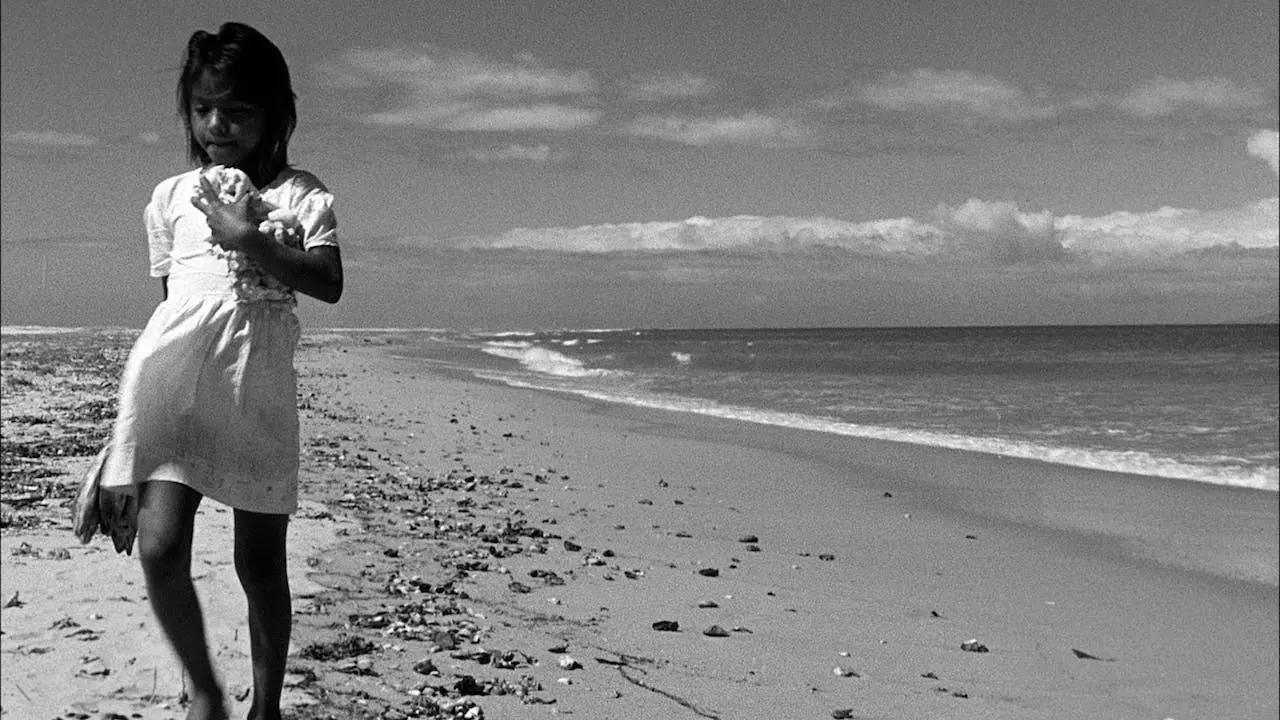
Trailer
Clicking loads the video from YouTube (privacy-enhanced mode). Open on YouTube
Trivia
A minimal shoot
The crew consisted only of the director and cameraman Giuseppe Nisoli. Even so, audiences at Cannes doubted that the film had been shot by so small a team.
Black and white
Although colour was available, the director and her team chose black and white, which they considered a stronger way to portray their subjects.
Original Cinematopedia text based on Wikipedia (es) and Wikipedia (en) and Wikidata.