
Yuli Raizman
1903–1994 · Soviet film director and screenwriter
Biography
Yuli Yakovlevich Raizman (December 15, 1903 – December 11, 1994) was a Soviet film director and screenwriter, and also a pedagogue according to some references. He spent most of his career in the Soviet film industry, where he became one of the most officially honoured filmmakers of his generation. His work spans the transition to sound, the Second World War and the decades that followed.
He began in 1924 as a literary consultant at Mezhrabpom-Rus, a German-Russian studio. A year later he became assistant to Yakov Protazanov, and in 1927 he made his directing debut with The Circle. In 1928 Penal Servitude first drew attention to him. His next success, The Earth Is Thirsty (1930), was the first sound film made in the Soviet Union. He joined Mosfilm in 1931.
In 1937 he released The Last Night, his first film with the writer Yevgeny Gabrilovich, with whom he would work for some forty years. The film won the Grand Prix at the Paris International Exhibition that year and earned him his first Stalin Prize. During the war he made documentaries such as Fall of Berlin (1945). In the postwar period he moved between dramas and contemporary subjects. Mashenka (1942) and Dream of a Cossack (1951), which competed at Cannes and won the top prize at Karlovy Vary, reinforced his reputation abroad.
Late in his career he directed Private Life (1982), which won the USSR State Prize and was nominated for the Academy Award for Best Foreign Language Film. He was named People's Artist of the USSR in 1964 and Hero of Socialist Labour in 1973, and in 1988 he became the first recipient of the Nika lifetime achievement award. His legacy rests on a humanist cinema closely tied to the official concerns of its era, and his films remain a useful reference for classic Soviet cinema.
Key films
- The Last Night (1936)
- Mashenka (1942)
- Fall of Berlin – 1945 (1945)
- Dream of a Cossack (1951)
- The Communist (1958)
- Private Life (1982)
Trivia
Six Stalin Prizes
According to the sources, he received six Stalin Prizes between 1941 and 1952, making him one of the most decorated cultural figures in the Soviet Union.
A filmmaker uncle
His uncle was the filmmaker Fedor Ozep, a family connection to the film world.
On Cinematopedia
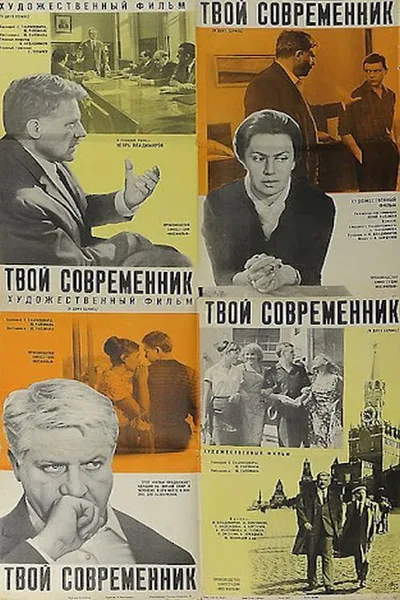 Your Contemporary1968A Strange Woman1978A Strange Woman1978
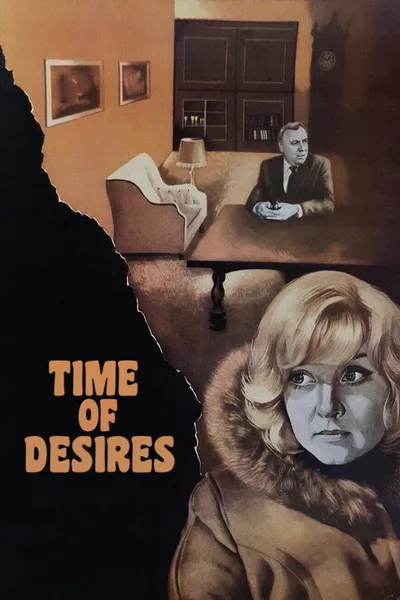 Time of Desires1984Virgin Soil Upturned1940Virgin Soil Upturned1940
- The Earth Is Thirsty 1930 · director
- The Pilots 1935 · director
- The Last Night 1937 · director, screenplay
- Virgin Soil Upturned 1940 · director
- Mashenka 1942 · director
- Moscow Skies 1944 · director
- The Fall of Berlin 1945 · director
- The Train Goes East 1947 · director
- Dream of a Cossack 1951 · director
- The Communist 1958 · director
- But What If This Is Love 1962 · director, screenplay
- Your Contemporary 1968 · director
- A Strange Woman 1978 · director
- Private Life 1982 · director, screenplay
- Time of Desires 1984 · director
Original Cinematopedia text based on Wikipedia (es) and Wikipedia (en) and Wikidata.