
William V. Mong
1875–1940 · American actor, screenwriter and director
Biography
William V. Mong (Chambersburg, Pennsylvania, 1875 – Studio City, California, 1940) was an American actor who also wrote and directed films, mostly short ones. His film career ran from about 1910 to 1939, with close to two hundred titles as a performer.
Before moving into film he worked in vaudeville and on the stage, with plays in Los Angeles, Chicago and New York. He made his screen debut in 1910 with A Connecticut Yankee. Between 1911 and 1918 he directed films, and from 1911 to 1922 he worked as a screenwriter, largely on short-form projects. As an actor he appeared in many films of the 1910s and 1920s, and later in larger productions such as The Sign of the Cross and Cleopatra, released in 1932 and 1934.
He fell ill in 1938 and stopped acting. He died in 1940 and was buried in Glendale, California.
Key films
- A Connecticut Yankee in King Arthur's Court (1921): a role as Merlin in one of his most recognisable silent-era appearances.
- The Sign of the Cross (1932): a supporting part in Cecil B. DeMille's epic.
- Treasure Island (1934): a role in the adaptation of Stevenson's novel.
- The Last Days of Pompeii (1935): an appearance in the sound-era spectacle.
- The Last of the Mohicans (1936): a part in one of the versions of Cooper's novel.
On Cinematopedia
 Cleopatra1934
 The Sign of the Cross1932
 The Big Trail1930
 Footlight Parade1933
 The Strong Man1926
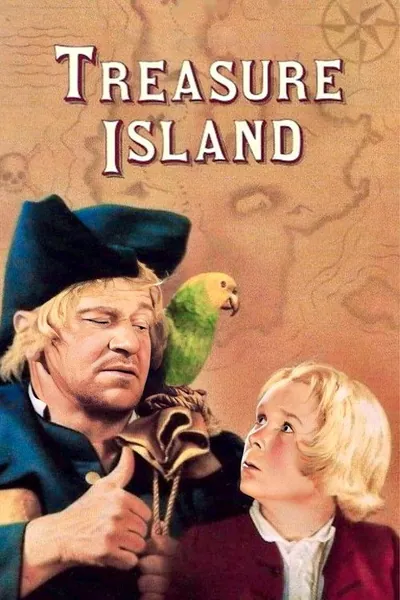 Treasure Island1934
 Noah's Ark1928
 The Last Days of Pompeii1935
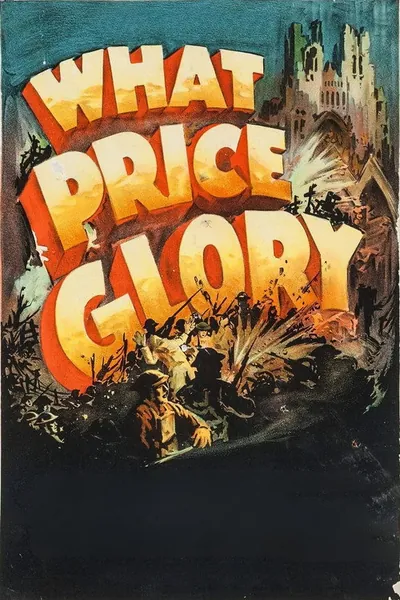 What Price Glory?1926
 The Last of the Mohicans1936
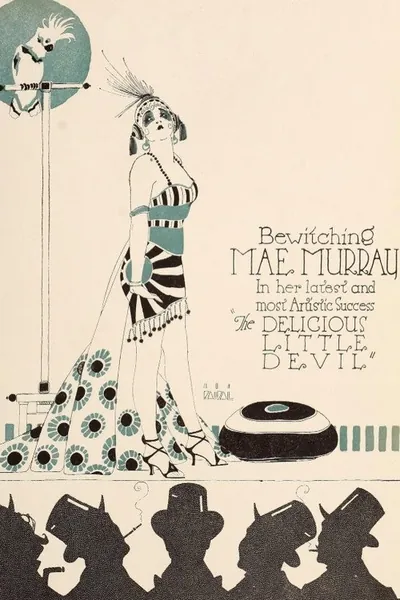 The Delicious Little Devil1919
 Monte Cristo1922
- Shoes 1916 · cast
- The Delicious Little Devil 1919 · cast
- Shame 1921 · cast
- Monte Cristo 1922 · cast
- Drifting 1923 · cast
- Lost and Found on a South Sea Island 1923 · cast
- All the Brothers Were Valiant 1923 · cast
- The Strong Man 1926 · cast
- What Price Glory? 1926 · cast
- Noah's Ark 1928 · cast
- The Big Trail 1930 · cast
- Bad Company 1931 · cast
- The Sign of the Cross 1932 · cast
- If I Had a Million 1932 · cast
- Footlight Parade 1933 · cast
- Cleopatra 1934 · cast
- Treasure Island 1934 · cast
- The Last Days of Pompeii 1935 · cast
- The Last of the Mohicans 1936 · cast
- Dancing Pirate 1936 · cast
- Stand-In 1937 · cast
Original Cinematopedia text based on Wikipedia (en) and Wikidata.