
Vanessa Redgrave
b. 1937 · British actress of stage, film and television
Biography
Vanessa Redgrave (born in London in 1937) is a British actress of stage, film and television, widely regarded by English-speaking critics as one of the great performers of her generation. She belongs to the Redgrave family of actors, and her career now spans more than six decades on stage and screen. Her importance lies both in her craft and in the way many of her roles engaged with the political ideas of their time.
Trained at the Central School of Speech and Drama, she first appeared in the West End in 1958, alongside her brother Corin, and in 1961 she became known as Rosalind in As You Like It with the Royal Shakespeare Company. Her breakthrough on film came with Morgan – A Suitable Case for Treatment (1966), which won her the Best Actress prize at the Cannes Film Festival. That same year she worked with Michelangelo Antonioni on Blowup, whose photography sequence made her a symbol of the sexual revolution. Mary, Queen of Scots, Isadora, Camelot and Murder on the Orient Express followed, in roles that moved between historical and literary figures.
In the early 1970s her public life became more overtly political. She stood in British general elections between 1974 and 1979 for the Trotskyist Revolutionary Workers Party. In 1977 she won the Academy Award for Best Supporting Actress for Julia, directed by Fred Zinnemann, a role that coincided with a bitter controversy over her support for the Palestinian cause. Her acceptance speech divided the audience, and the row, by many accounts, affected the work offered to her for several years.
In the 1980s and 1990s she moved between stage and screen with films such as The Bostonians, Howards End, Wilde, Mission: Impossible and Girl, Interrupted, in which she played Dr Wick. She worked with directors including Sidney Lumet and James Ivory, and with Tony Richardson, her first husband. On stage she won the Olivier Award for The Aspern Papers and the Tony Award for Long Day's Journey into Night.
All told, she has received six Academy Award nominations, and her filmography reaches into the twenty-first century with titles such as Letters to Juliet and Foxcatcher. Her daughters Natasha Richardson and Joely Richardson are also actresses, extending the family's presence in British film history.
Key films
- Morgan – A Suitable Case for Treatment (1966): her first leading film role, which won her the Best Actress prize at Cannes.
- Mary, Queen of Scots (1971): one of her portrayals of historical figures, earning an Oscar nomination.
- Julia (1977): the role of the revolutionary that won her the Academy Award for Best Supporting Actress.
- Howards End (1992): her sixth Oscar nomination, this time in a supporting role.
- Mission: Impossible (1996): she plays Max, an arms dealer, in the franchise's first film.
Trivia
Announced from the stage
Some accounts say Laurence Olivier announced her birth to the audience during a performance of Hamlet at the Old Vic, saying that Laertes, played by her father, had a daughter.
A speech that drew a response
At the 1977 ceremony, screenwriter Paddy Chayefsky, who was presenting that year's award, answered her remarks on stage, suggesting that winning an Oscar did not call for a proclamation.
Casting Max
According to reference material, Brian De Palma and Tom Cruise first thought it would be fun to cast an actor like Redgrave as Max in Mission: Impossible, and then decided to cast her directly.
On Cinematopedia
 A Man for All Seasons1966
 Julia1977
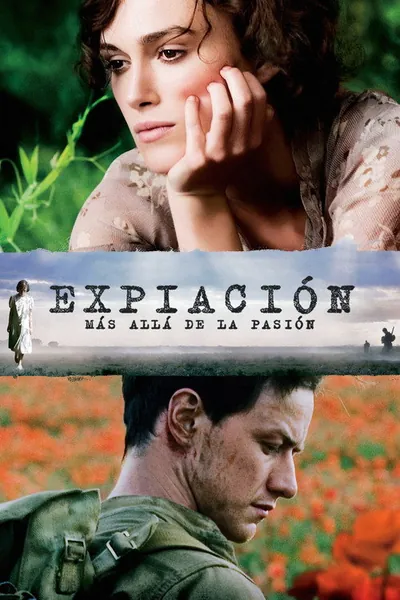 Atonement2007
 Blowup1966
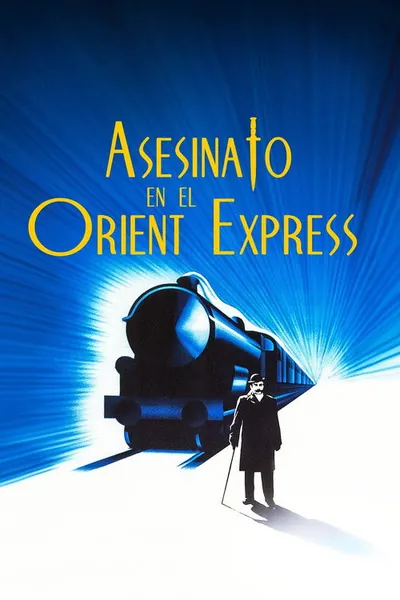 Murder on the Orient Express1974
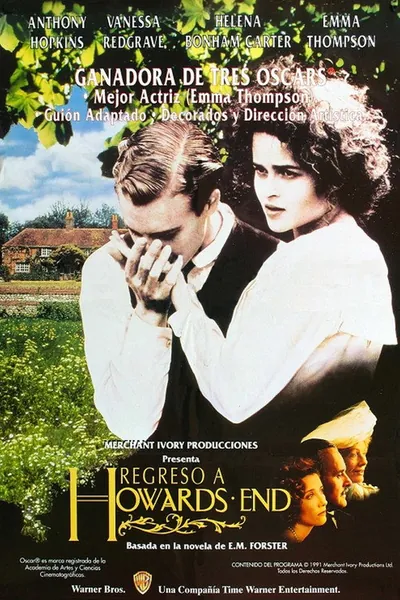 Howards End1992
 Girl, Interrupted1999
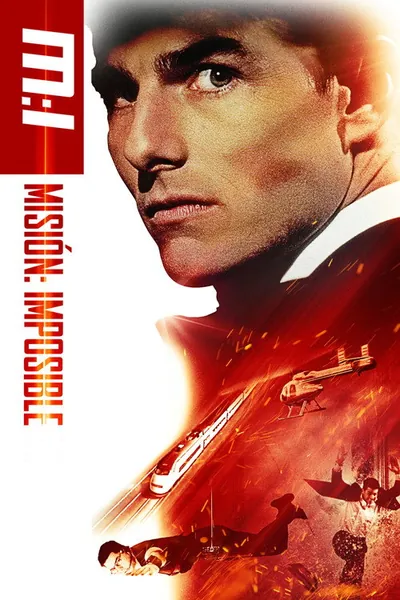 Mission: Impossible1996
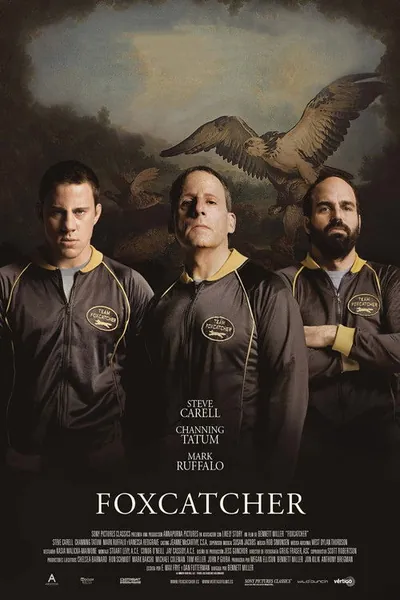 Foxcatcher2014
 Deep Impact1998
 Camelot1967
 Letters to Juliet2010
- A Man for All Seasons 1966 · cast
- Blowup 1966 · cast
- Morgan – A Suitable Case for Treatment 1966 · cast
- Camelot 1967 · cast
- The Sailor from Gibraltar 1967 · cast
- Isadora 1968 · cast
- The Charge of the Light Brigade 1968 · cast
- A Quiet Place in the Country 1968 · cast
- The Sea Gull 1968 · cast
- Oh! What a Lovely War 1969 · cast
- Dropout 1970 · cast
- Mary, Queen of Scots 1971 · cast
- The Devils 1971 · cast
- The Trojan Women 1971 · cast
- La vacanza (The Vacation) 1971 · cast
- Murder on the Orient Express 1974 · cast
- Out of Season 1975 · cast
- The Seven-Per-Cent Solution 1976 · cast
- Julia 1977 · cast
- Agatha 1979 · cast
- Yanks 1979 · cast
- Bear Island 1979 · cast
- Sing Sing 1983 · cast
- Wetherby 1984 · cast
- The Bostonians 1984 · cast
- Steaming 1985 · cast
- Prick Up Your Ears 1987 · cast
- Breath of Life 1990 · cast
- Stalin's Funeral 1990 · cast
- Howards End 1992 · cast
- The House of the Spirits 1993 · cast
- Sparrow 1993 · cast
- A Wall of Silence 1993 · cast
- Little Odessa 1994 · cast
- Mission: Impossible 1996 · cast
- Looking for Richard 1996 · cast
- Wilde 1997 · cast
- Smilla's Sense of Snow 1997 · cast
- Mrs Dalloway 1997 · cast
- Deep Impact 1998 · cast
- Girl, Interrupted 1999 · cast
- Cradle Will Rock 1999 · cast
- Mirka 2000 · cast
- The Pledge 2001 · cast
- Short Order 2005 · cast
- Venus 2006 · cast
- The White Countess 2006 · cast
- The Thief Lord 2006 · cast
- Atonement 2007 · cast
- Evening 2007 · cast
- Letters to Juliet 2010 · cast
- The Whistleblower 2010 · cast
- Eva 2010 · cast
- Anonymous 2011 · cast
- Coriolanus 2011 · cast
- Song for Marion 2012 · cast
- Lee Daniels' The Butler 2013 · cast
- Foxcatcher 2014 · cast
- The Secret Scripture 2016 · cast
- Film Stars Don't Die in Liverpool 2017 · cast
- The Aspern Papers 2018 · cast
- Mrs Lowry & Son 2019 · cast
Original Cinematopedia text based on Wikipedia (es) and Wikipedia (en) and Wikidata.