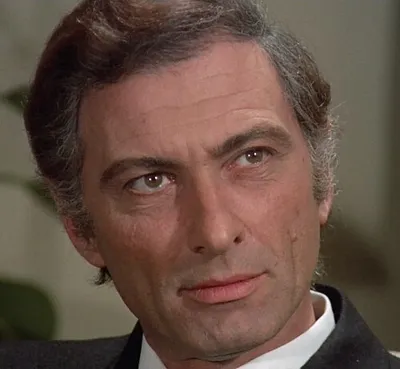
Silvano Tranquilli
1925–1997 · Italian actor in film, theatre and television, and voice actor
Biography
Silvano Tranquilli (Rome, 1925 – Rome, 1997) was an Italian actor who worked in film, theatre and television, and who was also known as a voice actor. Most of his screen work consists of supporting roles and character parts, especially in Italian genre cinema.
He trained at a Rome school that was among the first in Italy to teach the Stanislavski Method. He began on stage with companies led by Salvo Randone and Vittorio Gassman. He made his television debut in 1959 and went on to appear in more than a hundred TV productions, with the series I ragazzi di padre Tobia as his biggest success on the small screen.
In the early 1960s he also built a busy film career as a character actor, appearing in thrillers, giallos and horror titles such as The Horrible Dr. Hichcock and Castle of Blood. As an Italian dubber he gave voice to Jack Warden, Lee J. Cobb, Lance Henriksen and Lang Jeffries. In the 1990s he returned to the stage with the company Stabile del Giallo. He died in Rome in 1997, aged 71.
Key films
- The Horrible Dr. Hichcock (1962): plays Dr. Kurt Lowe in one of the key titles of Italian horror in the early 1960s.
- Castle of Blood (1964): appears as Edgar Allan Poe in this Gothic horror film, also known as Danza macabra.
- Sunflower (1970): has a small role as an Italian worker in Vittorio De Sica's drama.
- The Bloodstained Butterfly (1971): part of the cast of this giallo directed by Duccio Tessari, where he plays Inspector Berardi.
- Tony Arzenta (1973): plays the Interpol officer Montani in this Italian crime thriller.
Trivia
Voice of foreign actors
Besides his screen career, he gave his Italian voice to American actors such as Jack Warden, Lee J. Cobb, Lance Henriksen and Lang Jeffries.
Television before cinema
His first appearance on television came in 1959, while his steady film career only began in the early 1960s.
On Cinematopedia
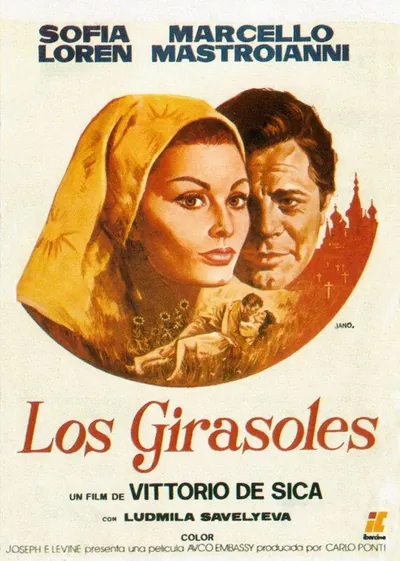 Sunflower1970
 And Now My Love1974
 Happy New Year1973
 The Bloodstained Butterfly1971
 Castle of Blood1964
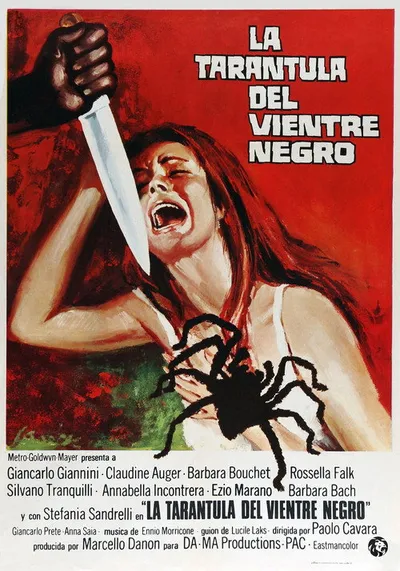 Black Belly of the Tarantula1971
 No Way Out1973
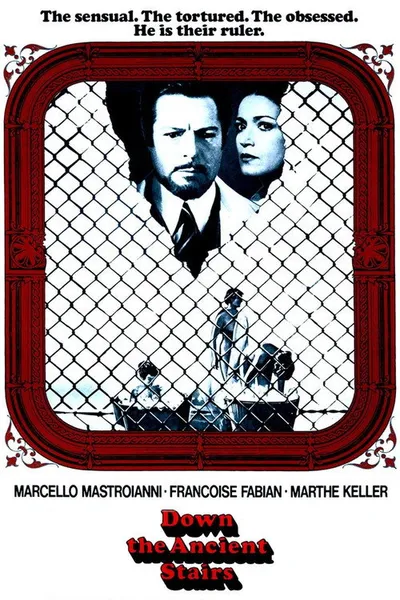 Down the Ancient Staircase1975
 The Horrible Dr. Hichcock1962
 Mean Frank and Crazy Tony1973
 The Pumaman1980Adriana Lecouvreur1955Adriana Lecouvreur1955
- Adriana Lecouvreur 1955 · cast
- The Horrible Dr. Hichcock 1962 · cast
- Castle of Blood 1964 · cast
- Shoot Loud, Louder... I Don't Understand 1966 · cast
- Help Me 1969 · cast
- Unknown Woman 1969 · cast
- Sunflower 1970 · cast
- Black Lemons 1970 · cast
- Lonely Hearts 1970 · cast
- The Bloodstained Butterfly 1971 · cast
- Black Belly of the Tarantula 1971 · cast
- Web of the Spider 1971 · cast
- So Sweet, So Dead 1972 · cast
- Smile Before Death 1972 · cast
- Happy New Year 1973 · cast
- No Way Out 1973 · cast
- Mean Frank and Crazy Tony 1973 · cast
- High Crime 1973 · cast
- Blood Castle 1973 · cast
- And Now My Love 1974 · cast
- Down the Ancient Staircase 1975 · cast
- Syndicate Sadists 1975 · cast
- So Young, So Lovely, So Vicious... 1975 · cast
- Violent Rome 1975 · cast
- Violent Naples 1976 · cast
- The Pumaman 1980 · cast
- Don Bosco 1988 · cast
Original Cinematopedia text based on Wikipedia (en) and Wikidata.