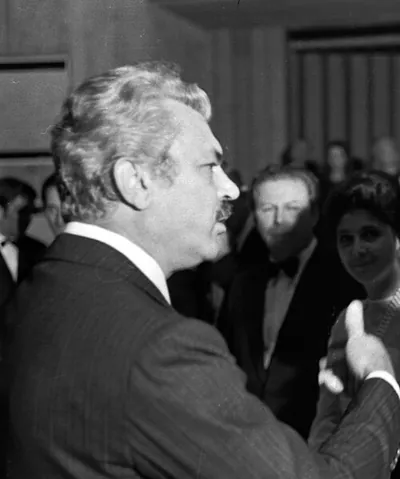
Sergei Bondarchuk
1920–1994 · Soviet actor, director and screenwriter
Biography
Sergei Bondarchuk (born 25 September 1920 in Bilozerka, Ukraine; died 20 October 1994 in Moscow) was a Soviet actor, director and screenwriter and one of the leading figures of Soviet cinema during the 1950s, 1960s and 1970s. He is best known for the large-scale historical and war epics that brought Soviet filmmaking to audiences abroad, and he worked across acting, directing and writing.
Born to a peasant family in what is now Ukraine, he grew up in Yeysk and Taganrog. He trained in theatre in Rostov before serving in the Red Army during the Second World War, fighting in the Caucasus and at Stalingrad. He made his film debut in 1948 with The Young Guard, directed by Sergei Gerasimov. In 1952, at the age of 32, he became the youngest Soviet actor to receive the title People's Artist of the USSR, the same year he won the Stalin Prize for Taras Shevchenko.
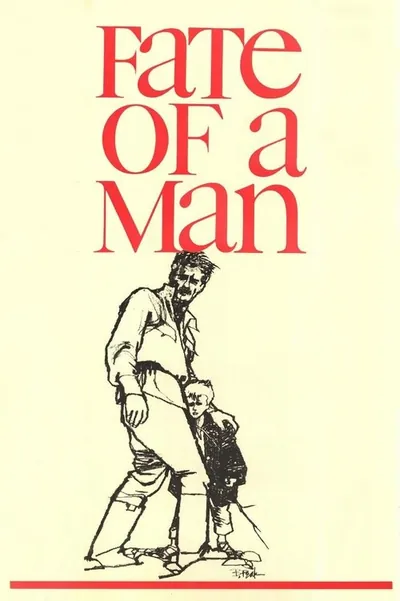
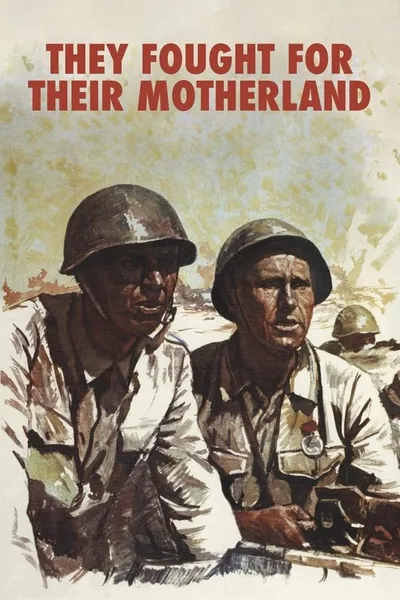
In 1955 he starred in Othello alongside Irina Skobtseva, who later became his second wife. He moved into directing in 1959 with Fate of a Man, an adaptation of a short story by Mikhail Sholokhov that was well received outside the Soviet Union, and the film earned him the Lenin Prize that year. Over time his work turned towards political and large-scale subjects, including They Fought for Their Country, which was entered in the 1975 Cannes Film Festival.
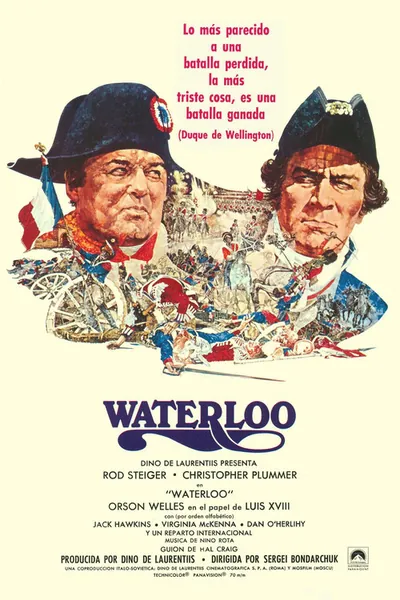
His best-known work is War and Peace, a multi-part adaptation of Tolstoy's novel that he filmed over several years with enormous resources. Bondarchuk directed it and played Pierre Bezukhov, and the film won the Academy Award for Best Foreign Language Film in 1968. After that success he appeared in Battle of Neretva, directed by Veljko Bulajić, and made Waterloo (1970), his first English-language film, produced by Dino De Laurentiis. Critics praised its battle scenes, but it performed poorly at the box office.
His career was closely tied to Soviet institutions. He joined the Communist Party in 1970 and a year later became president of the Union of Cinematographers, a post he held until 1986. He died in Moscow in 1994. His legacy rests on his literary and war adaptations and on his role in bringing Soviet cinema to international attention. His children Natalya and Fyodor also worked in film, and a bronze statue of him was unveiled in Yeysk in 2007.
Key films
- War and Peace (1965–1967)
- Fate of a Man (1959)
- Waterloo (1970)
- Battle of Neretva (1969)
- They Fought for Their Country (1975)
Trivia
People's Artist at 32
In 1952 he became the youngest Soviet actor to receive the title People's Artist of the USSR. That same year he also won the Stalin Prize.
Directing and acting
War and Peace earned the 1968 Academy Award for Best Foreign Language Film, a film he both directed and starred in.
A box-office disappointment
Despite praise for its battle scenes, Waterloo performed poorly at the box office.
On Cinematopedia
 War and Peace1965
 Waterloo1970
 Battle of Neretva1969
 Destiny of a Man1959
 They Fought for Their Country1975
 Othello1956The Young Guard1948The Young Guard1948Admiral Ushakov1953Admiral Ushakov1953
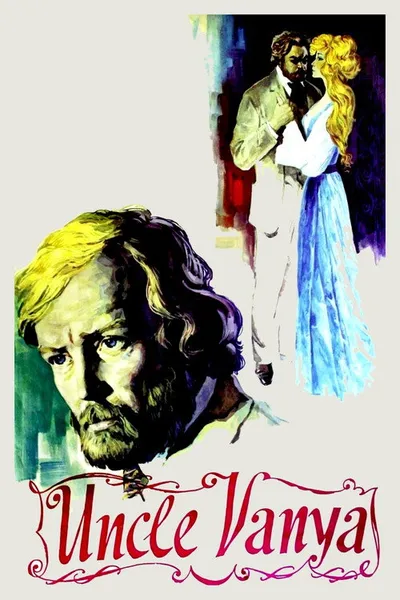 Uncle Vanya1970Life in Bloom1949Life in Bloom1949Attack from the Sea1953Attack from the Sea1953The Grasshopper1955The Grasshopper1955
- The Young Guard 1948 · cast
- Life in Bloom 1949 · cast
- Glorious Path 1949 · cast
- Dream of a Cossack 1951 · cast
- Taras Shevchenko 1951 · cast
- Admiral Ushakov 1953 · cast
- Attack from the Sea 1953 · cast
- The Grasshopper 1955 · cast
- Unfinished Story 1955 · cast
- Othello 1956 · cast
- Destiny of a Man 1959 · director, cast
- Escape by Night 1960 · cast
- Splendid Days 1960 · cast
- War and Peace 1965 · director, screenplay, cast
- Battle of Neretva 1969 · cast
- Waterloo 1970 · director, screenplay
- Uncle Vanya 1970 · cast
- The Silence of Dr. Evans 1974 · cast
- They Fought for Their Country 1975 · director, screenplay, cast
- Take Aim 1975 · cast
- The Steppe 1978 · director, screenplay
- Father Sergius 1978 · cast
- Red Bells 1982 · director, screenplay
- Red Bells II 1982 · director, screenplay
- Boris Godunov 1986 · director, screenplay, cast
- The Battle of the Three Kings 1990 · cast
- Musketeers Twenty Years After 1992 · cast
Original Cinematopedia text based on Wikipedia (es) and Wikipedia (en) and Wikidata.