
Russ Meyer
1922–2004 · American cinematographer, director and producer
Biography
Russ Meyer (San Leandro, California, 1922 – Los Angeles, 2004) was an American filmmaker who wrote, directed, produced, photographed and edited most of his own films, becoming one of the most recognisable names in exploitation cinema. His work, built around low-budget sexploitation, mixes camp humour, satire of American manners, fast editing and women of exaggerated physique and dominant character. Though his releases were often dismissed, several of his films have since acquired a devoted cult following.
The son of a police officer and a nurse, Meyer lost touch with his father after his parents divorced. At fourteen his mother pawned her wedding ring to buy him an 8 mm camera, and by fifteen he was making amateur films. During the Second World War he served as a combat cameraman with the U.S. Third Army under George S. Patton, and the experience shaped his fast shooting style and his taste for energetic editing. After the war he worked on industrial films and as a glamour photographer, shooting for Playboy in its early years.
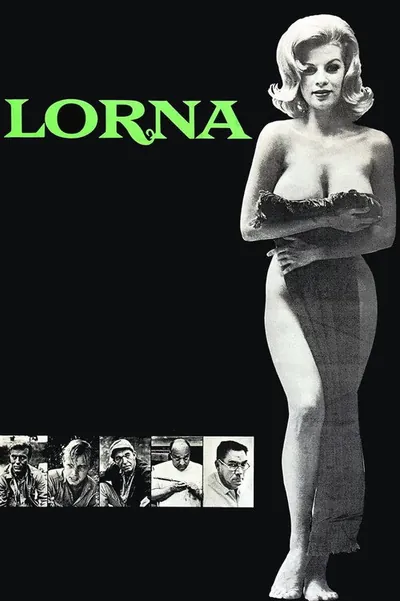
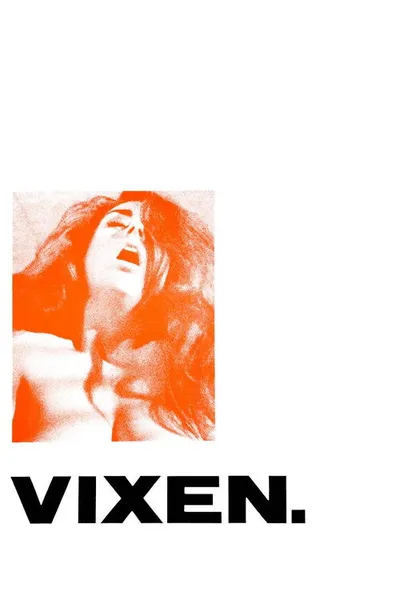
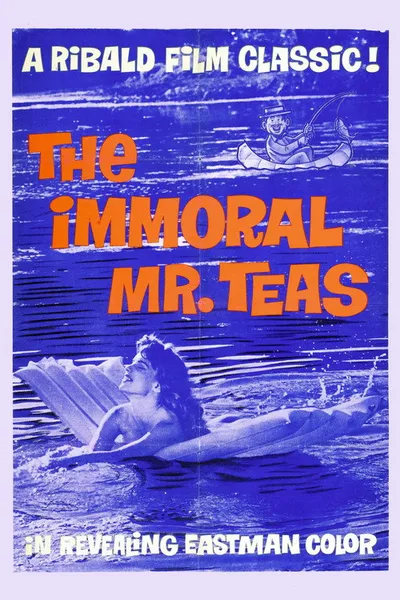
His directing career began with the nudie films, erotic comedies that stopped short of explicit sex, of which The Immoral Mr. Teas (1959) was the first major success: it cost about 24,000 dollars and took more than a million on the independent circuit. With Lorna (1964) and Faster, Pussycat! Kill! Kill! (1965) he entered his more melodramatic and violent Gothic period. Vixen! (1968) brought him commercial success again, and Beyond the Valley of the Dolls (1970), written with critic Roger Ebert, was his only major studio assignment, for 20th Century Fox. The commercial failure of The Seven Minutes (1971) pushed him back to independent production.
His method stayed the same throughout: each film was financed from the profits of the previous one, which let him keep the negatives and rights to his work and stay outside the big studios for decades. His legacy lies in the influence he had on filmmakers, music videos and comics, and in the critical reappraisal of films once written off.
Key films
- Faster, Pussycat! Kill! Kill! (1965), following three violent women and his most emblematic film.
- Vixen! (1968), a box-office hit that dealt with adultery, racism and political tensions.
- Beyond the Valley of the Dolls (1970), the film he regarded as his definitive work.
- Lorna (1964), a gothic melodrama that opened his more serious phase.
- Supervixens (1975), a return to his world of outsized heroines.
Trivia
A camera bought with a wedding ring
When Meyer was fourteen, his mother pawned her wedding ring to buy him an 8 mm film camera.
Wartime footage in Patton
Some of the material he shot during the Second World War was reused in the film Patton (1970).
On Cinematopedia
 Faster, Pussycat! Kill! Kill!
 Beyond the Valley of the Dolls
 Lorna
 The True Glory
 Amazon Women on the Moon
 Vixen!
 Supervixens
 Motorpsycho!
 Up!
 The Immoral Mr. Teas
Original Cinematopedia text based on Wikipedia (es) and Wikipedia (en) and Wikidata.