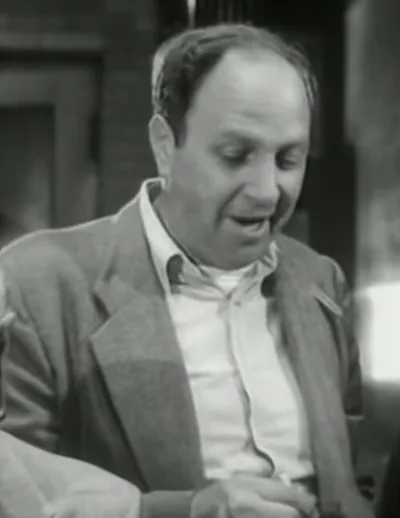
Robert Foulk
1908–1989 · American character actor
Biography
Robert C. Foulk was an American character actor who worked in theatre, television and film from the 1930s into the 1980s. He studied at the University of Pennsylvania with the aim of becoming an architectural draftsman, a trade he kept up alongside his acting work.
His career began on the Broadway stage, with productions of the 1930s such as Boy Meets Girl and What a Life, Brother Rat. He worked as an aide to producer-director George Abbott and later directed stage productions outside New York. He moved into films around 1948 and kept working in them for almost two decades, usually in brief roles as policemen, sheriffs, clerks and officials, often without a credit.
Television was where he worked most. He appeared in anthology series, family sitcoms and many westerns, and he stayed a recurring presence in shows such as Bonanza and Green Acres. He also played Sheriff H. Miller in Lassie from 1958 to 1962. He died in 1989 after more than three decades in the profession. His career is that of a supporting performer who lent texture to many episodes and films of his era.
Key films
- Singin' in the Rain (1952): a policeman in one of the best-known scenes of the musical.
- East of Eden (1955): a man beside a boxcar in Elia Kazan's drama.
- Rebel Without a Cause (1955): Gene, in Nicholas Ray's classic with James Dean.
- Blackboard Jungle (1955): a role in Richard Brooks's school drama.
- The Left Handed Gun (1958): Sheriff Brady in the western directed by Arthur Penn and starring Paul Newman.
Trivia
Architecture as a release
Alongside acting, Foulk kept working as an architectural draftsman. A Chicago newspaper reported that the trade helped him ease the tension that built up during filming and performances.
A marriage tied to film
In 1947 he married actress Barbara Slater, who had appeared in two Three Stooges shorts. She left Hollywood that same year, and the couple stayed married until his death in 1989.
On Cinematopedia
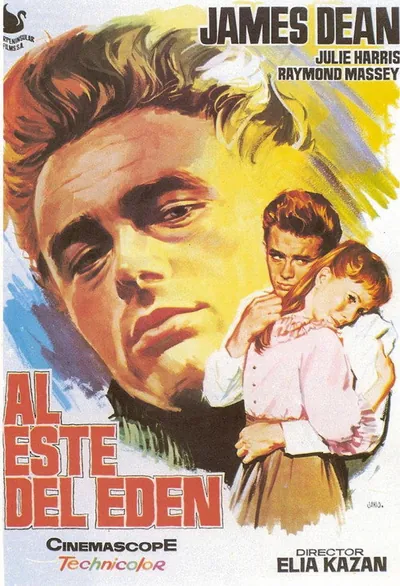 East of Eden1955
 Singin' in the Rain1952
 Rebel Without a Cause1955
 Gentlemen Prefer Blondes1953
 Blackboard Jungle1955
 Pete's Dragon1977
 Ocean's Eleven1960
 The Far Country1954
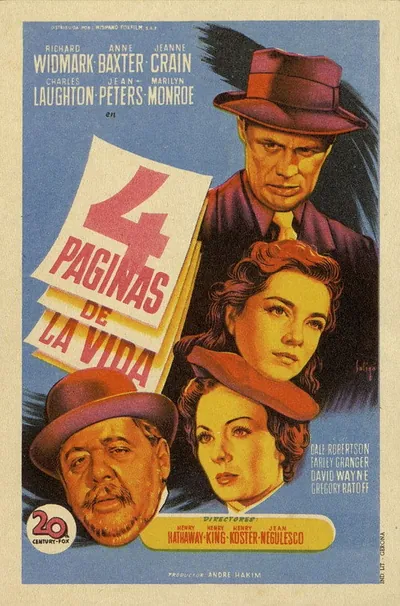 O. Henry's Full House1952
 Don't Bother to Knock1952
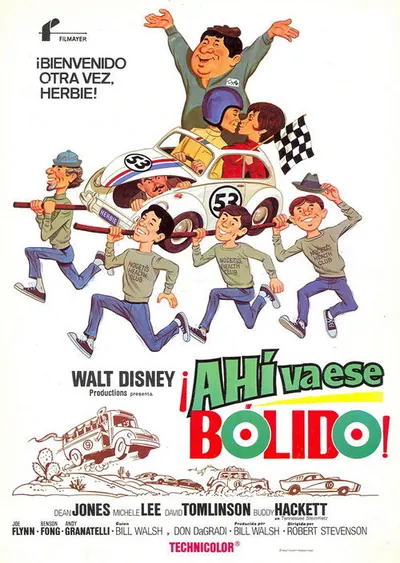 The Love Bug1968
 Emperor of the North1973
- Johnny Stool Pigeon 1949 · cast
- Where the Sidewalk Ends 1950 · cast
- Whirlpool 1950 · cast
- Home Town Story 1951 · cast
- Singin' in the Rain 1952 · cast
- O. Henry's Full House 1952 · cast
- Don't Bother to Knock 1952 · cast
- Gentlemen Prefer Blondes 1953 · cast
- The Far Country 1954 · cast
- East of Eden 1955 · cast
- Rebel Without a Cause 1955 · cast
- Blackboard Jungle 1955 · cast
- Backlash 1956 · cast
- Indestructible Man 1956 · cast
- The Left Handed Gun 1958 · cast
- Ocean's Eleven 1960 · cast
- Where the Boys Are 1960 · cast
- Sex and the Single Girl 1964 · cast
- Robin and the 7 Hoods 1964 · cast
- Harlow 1965 · cast
- The Love Bug 1968 · cast
- Emperor of the North 1973 · cast
- Pete's Dragon 1977 · cast
Original Cinematopedia text based on Wikipedia (en) and Wikidata.