
Raj N. Sippy
b. 1948 · Indian film director and producer working on Bollywood films
Biography
Raj N. Sippy (born 6 March 1948), also known as Raj Sippy, is an Indian film director and producer who works within Bollywood. His name is most closely tied to the 1980s, when he made a run of films that did well at the box office.
Among his best-remembered titles are Inkaar, with Vinod Khanna, and Satte Pe Satta, starring Amitabh Bachchan. With Khanna he also made Satyamev Jayate, which marked the actor's comeback after a period linked to Osho. He worked with Mithun Chakraborty on Boxer and Baazi, and directed Akshay Kumar in his debut, Saugandh. Later he made Qurbani Rang Layegi and Mr. Bond, and brought Sanjay Dutt and Jeetendra together in Thanedaar. His filmography also includes less successful work, such as Jimmy, the debut of Mimoh Chakraborty, which did not find an audience.
His career mixes star-driven commercial cinema with action and melodrama. His legacy lies mainly in the casts he assembled and in the place his films held in popular Indian cinema of their time. The sources consulted offer few details about his private life or recent activity.
Key films
- Inkaar (1977): a film with Vinod Khanna that helped establish his reputation as a commercial director.
- Satte Pe Satta (1982): starring Amitabh Bachchan and one of his reference points from the eighties.
- Satyamev Jayate (1987): Vinod Khanna's return to film after a period linked to Osho.
- Qurbani Rang Layegi (1991): an action drama from the early nineties.
- Mr. Bond (1992): one of his productions of the period, with an entertainment-oriented tone.
Trivia
A comeback after a break
Satyamev Jayate marked Vinod Khanna's return to film after his period linked to Osho. Sippy directed the project.
A debut without success
Jimmy, directed by Sippy, was the debut of Mimoh Chakraborty and was not a commercial success.
On Cinematopedia
 Shiva's Justice1985
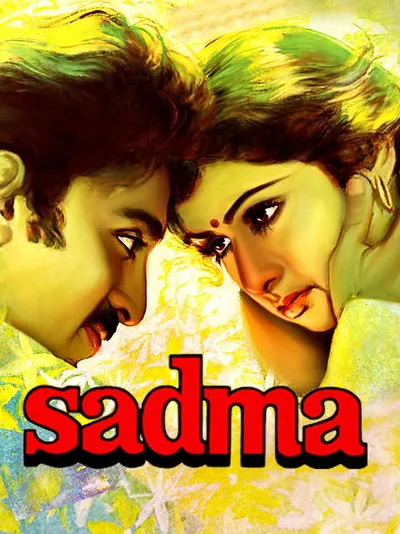 Sadma1983
 Loha1987
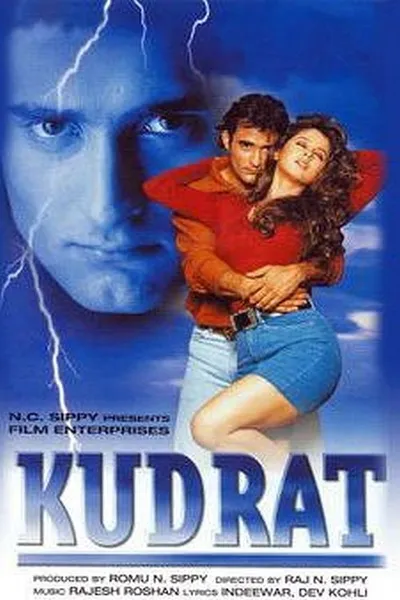 Kudrat1998
 Achanak1973
 Inkaar1978
 Thanedaar1990
 Mr. Bond1992
 Amaanat1994
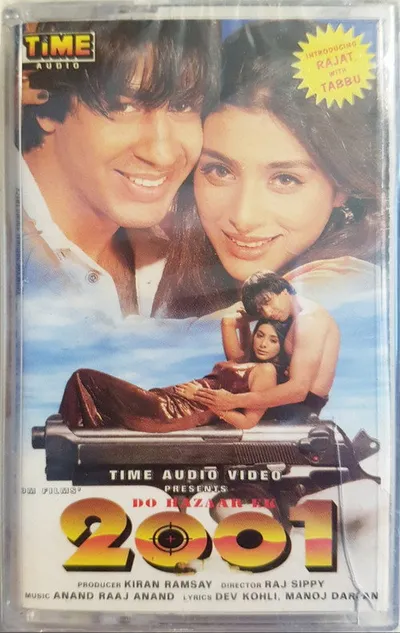 2001: Do Hazaar Ek1998
 Andar Baahar1984
- Achanak 1973 · producer
- Inkaar 1978 · director
- Satte Pe Satta 1982 · director
- Sadma 1983 · producer
- Andar Baahar 1984 · director
- Shiva's Justice 1985 · director
- Sitamgar 1985 · director
- Jeeva 1986 · director
- Loha 1987 · director
- Shehzaade 1989 · director
- Thanedaar 1990 · director
- Qurbani Rang Layegi 1991 · director
- Oath 1991 · director
- Mr. Bond 1992 · director
- Amaanat 1994 · director
- Ikke Pe Ikka 1994 · director
- Paandav 1995 · director
- Kudrat 1998 · director
- 2001: Do Hazaar Ek 1998 · director
Original Cinematopedia text based on Wikipedia (en) and Wikidata.