
Paul Graetz
1889–1937 · German actor and cabaret comedian of the Weimar era
Biography
Paul Graetz was a German actor and comedian, one of the best-known performers of the Weimar cabaret scene. His career spanned the silent and sound eras, and on some productions he also worked as a producer. Born on 4 August 1889 and dying on 16 February 1937, he lived through the shift from silent to sound film and the upheavals of German stage life between the wars.
During the 1920s he divided his time between cabaret stages and film roles. His parts were usually comic figures or character supporting roles, and his screen work drew on the same timing and wit that had made him popular on stage. After the Nazis came to power in 1933, the regime expelled him from Germany, treating him as an unwanted outsider. He settled in Hollywood, where he died in 1937. Max Reinhardt gave the eulogy at his funeral.
His legacy rests mostly on his work as a Weimar cabaret performer whose career was cut short by exile. For cinephiles interested in German film of the twenties and thirties, his films offer a way into the comic theatre of that period.
Key films
- Sumurun (1920): a supporting part in one of the best-known orientalist productions of German silent cinema.
- I.N.R.I. (1923): an appearance in a biblical drama from the silent era.
- Mary (1931): a role in one of his sound films, made as German-language cinema was adapting to sound.
- Jew Süss (1934): an appearance in the production made after he left Germany.
Trivia
A Berlin nickname
According to his friend Erika Mann, much of Berlin laughed at his jokes and called him "our Paul". The Nazi regime, however, saw him as an outsider and expelled him from Germany in 1933.
A eulogy by Max Reinhardt
The theatre director Max Reinhardt delivered the eulogy at Graetz's funeral, held after his death in Hollywood in 1937.
On Cinematopedia
 Is Paris Burning?1966
 Devil in the Flesh1947
 The Wildcat1921
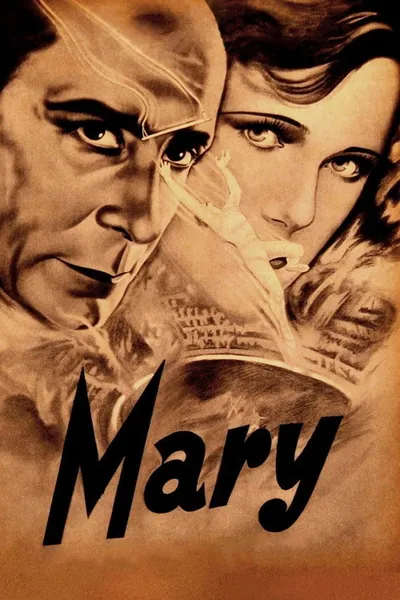 Mary1931
 Women Are Weak1959Rome 11:001952Rome 11:001952
 Jew Süss1934Knave of Hearts1954Knave of Hearts1954
 Bitter Victory1957
 One Arabian Night1920
 Desire1921
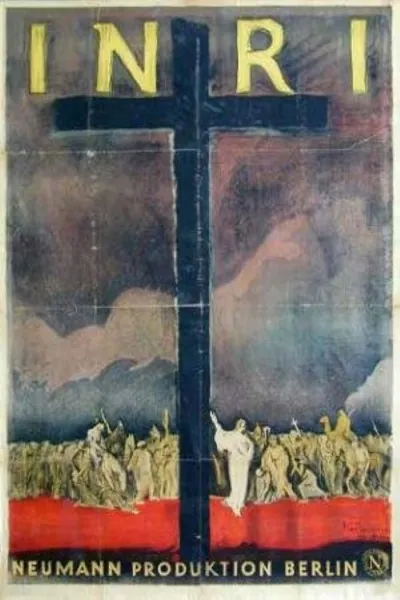 I.N.R.I.1923
- One Arabian Night 1920 · cast
- The Marriage of Figaro 1920 · cast
- The Wildcat 1921 · cast
- Desire 1921 · cast
- Monna Vanna 1922 · cast
- I.N.R.I. 1923 · cast
- Tragedy of Love 1923 · cast
- Die Fledermaus 1923 · cast
- The Great Leap 1927 · cast
- The Champion of the World 1927 · cast
- Mary 1931 · cast
- Mountains on Fire 1931 · cast
- Jew Süss 1934 · cast
- The Heart of a Nation 1943 · producer
- Devil in the Flesh 1947 · producer
- God Needs Men 1950 · producer
- Rome 11:00 1952 · producer
- Knave of Hearts 1954 · producer
- Bitter Victory 1957 · producer
- Women Are Weak 1959 · producer
- A View from the Bridge 1962 · producer
- Is Paris Burning? 1966 · producer
Original Cinematopedia text based on Wikipedia (en) and Wikidata.