
Pat Morita
1932–2005 · American actor and comedian
Biography
Noriyuki "Pat" Morita (June 28, 1932 - November 24, 2005) was an American actor and comedian, best known for playing the martial arts teacher Mr. Miyagi in The Karate Kid films. He started out as a stand-up comedian and became familiar to television audiences before reaching a wider film audience. His career matters because, for many years, he was one of the few Asian-American actors to lead a television series or a major Hollywood franchise.
Morita was born to Japanese immigrants in California. At the age of two he developed spinal tuberculosis, and he spent much of his childhood in hospitals, sometimes in full body casts, with doctors doubting he would ever walk again. Confined for long stretches, he passed the time drawing faces on his socks and making up stories, an early outlet that he later linked to his interest in performing. After his recovery, the Second World War sent his family and him to an internment camp in Arizona, where they stayed until the war ended.
Afterwards the family ran a restaurant in Sacramento, where Morita waited tables and kept customers entertained with jokes. He studied, then worked in the aerospace industry, but in his thirties he left that job to perform in nightclubs as a comic under the name The Hip Nip. His first film role was small: a henchman for the villain in the musical comedy Thoroughly Modern Millie (1967), directed by George Roy Hill and starring Julie Andrews. He then took supporting parts for several years and joined the improv troupe The Groundlings, which opened the way to television work.
He played the Korean captain Sam Pak in MASH, and in Happy Days he became Arnold, the owner of the diner that serves as a regular setting, a role that brought him wide recognition. He later starred in the short-lived sitcom Mr. T and Tina, which was cancelled after only a few episodes, and then in the detective series Ohara* (1987-1988), where a detective solved cases using martial arts and Eastern meditation techniques.
His Mr. Miyagi earned him an Academy Award nomination for Best Supporting Actor in 1985. He returned to the role in The Karate Kid Part II and The Karate Kid Part III, and in The Next Karate Kid the mentor took on a young woman played by Hilary Swank. Because of a back problem he never trained formally in martial arts, and a stunt double performed much of the karate work. Although he spoke American English without an accent, he had to imitate Japanese and Korean accents for different roles.
In the 1990s he kept working in film and television and voiced the Emperor of China in Disney's Mulan (1998) and its sequel. He completed several projects in 2004, some of which were released posthumously after his death in 2005. His legacy is tied chiefly to Miyagi and the franchise, which he revisited in a cameo on Cobra Kai. In 1994 he received a star on the Hollywood Walk of Fame for his contribution to the film industry.
Key films
- The Karate Kid (1984): Mr. Miyagi, the role that earned him an Oscar nomination.
- Midway (1976): plays Japanese Rear Admiral Ryunosuke Kusaka in the war film.
- The Karate Kid Part II (1986): returns as Miyagi opposite Ralph Macchio.
- The Next Karate Kid (1994): Miyagi trains a young woman, played by Hilary Swank, in this entry.
- Mulan (1998): voices the Emperor of China in the Disney animated film.
Trivia
A name from a priest
Morita took the name Pat from a Catholic priest he befriended during his years in hospital and used it as his stage name.
Karate without a dojo
Because of his back problems he never trained formally in martial arts, and much of his karate footage was performed by stand-in Fumio Demura.
The first choice
The original preferred choice for Miyagi was Toshiro Mifune, who did not speak English. Morita had to audition several times before winning the role.
On Cinematopedia
 The Karate Kid1984
 The Karate Kid Part II1986
 The Next Karate Kid1994
 The Karate Kid Part III1989
 Spy Hard1996
 Honeymoon in Vegas1992
 Even Cowgirls Get the Blues1993
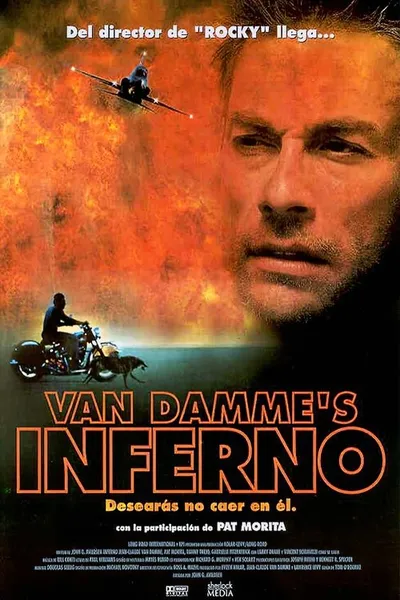 Inferno1999
 Midway1976
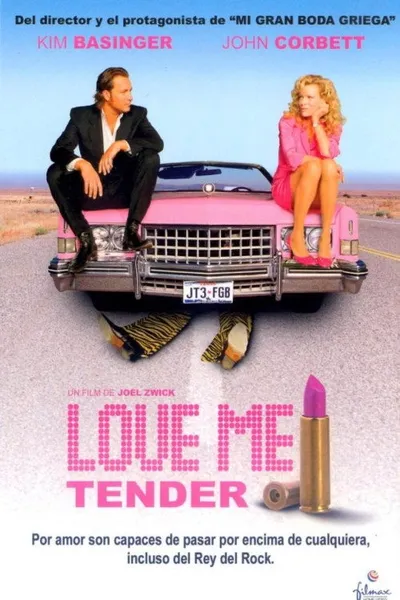 Elvis Has Left the Building2004
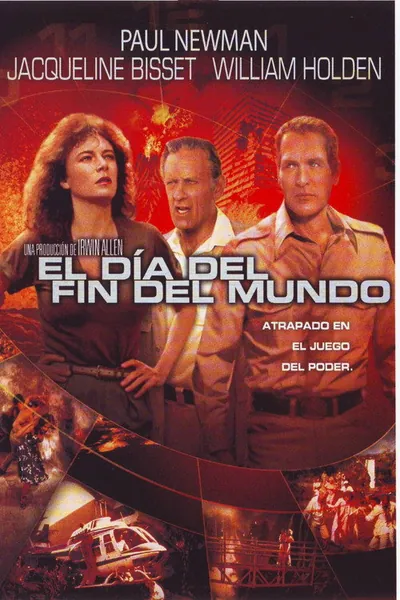 When Time Ran Out...1980
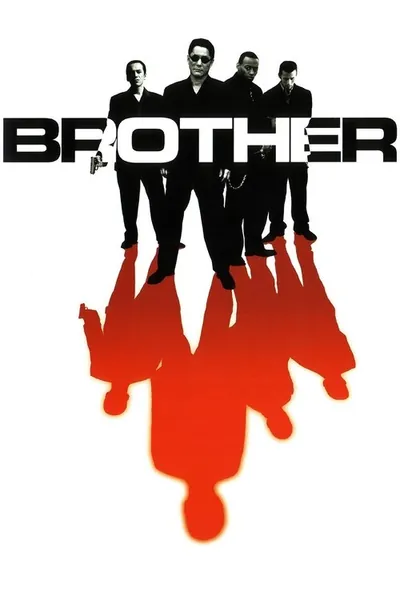 Brother2000
- Midway 1976 · cast
- When Time Ran Out... 1980 · cast
- The Karate Kid 1984 · cast
- The Karate Kid Part II 1986 · cast
- The Karate Kid Part III 1989 · cast
- Honeymoon in Vegas 1992 · cast
- Even Cowgirls Get the Blues 1993 · cast
- American Ninja V 1993 · cast
- The Next Karate Kid 1994 · cast
- Spy Hard 1996 · cast
- Bloodsport II: The Next Kumite 1996 · cast
- Inferno 1999 · cast
- Brother 2000 · cast
- Elvis Has Left the Building 2004 · cast
- The Last Shot 2004 · cast
- Spymate 2006 · cast
Original Cinematopedia text based on Wikipedia (es) and Wikipedia (en) and Wikidata.