
Nathan Larson
b. 1970 · American guitarist, singer, songwriter and author, best known for his film scores
Biography
Nathan Larson (born 1970 in Maryland) is an American guitarist, singer, songwriter and author, best known for his work as a film composer. His name is associated with independent and author-driven cinema from the late 1990s and 2000s, as well as with experimental music and alternative rock.
He first came to attention in the 1990s as the guitarist of the band Shudder to Think. Earlier he had played bass for the hardcore group Swiz, and he later founded projects such as Hot One. His film career began with songs for Velvet Goldmine (1998) and grew with scores for titles such as Boys Don't Cry, Tigerland and Dirty Pretty Things. He has contributed to more than sixty scores, as well as to television series.
He is married to Nina Persson, lead singer of The Cardigans, and the two have worked together on many musical projects. In 2017 he co-founded the LUMEN PROJECT, which stages long-form audio and visual experiences. He has also published the novel The Dewey Decimal System (2011), the first part of a trilogy. He remains active as a composer and musician, working between independent film and experimental music.
Key films
- Boys Don't Cry (1999), with music by Larson for Kimberly Peirce's drama about Brandon Teena.
- Tigerland (2000), directed by Joel Schumacher, a war drama set in a army training camp.
- Lilja 4-ever (2002), by Swedish director Lukas Moodysson, about a teenage girl trapped in exploitation.
- Dirty Pretty Things (2002), directed by Stephen Frears, a social thriller set among immigrants in London.
- Margin Call (2011), by J. C. Chandor, about a financial crisis at an investment bank.
Trivia
Persson's voice on the soundtracks
Nina Persson provides vocals on several of Larson's film soundtracks, reflecting the couple's frequent collaboration.
A novel in three parts
His debut novel, The Dewey Decimal System, appeared in 2011 and became a trilogy that ended in 2015 with The Immune System.
On Cinematopedia
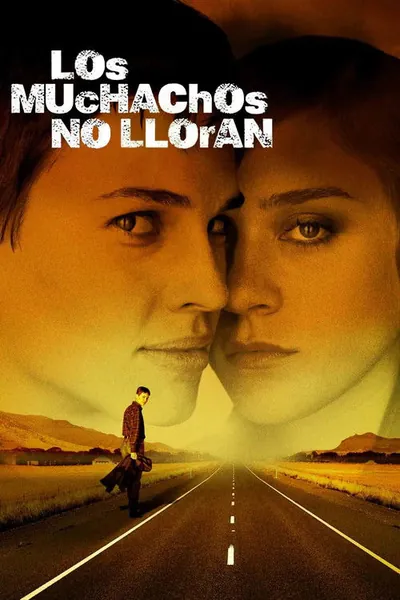 Boys Don't Cry1999
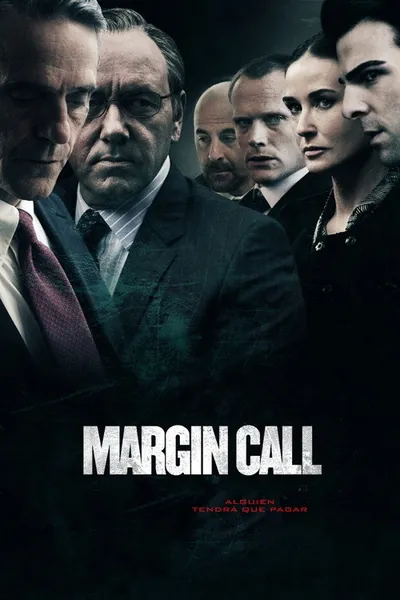 Margin Call2011
 The Messenger2009
 Lilya 4-ever2002
 Dirty Pretty Things2002
 Tigerland2000
 A Love Song for Bobby Long2004
 A Walk in the Woods2015
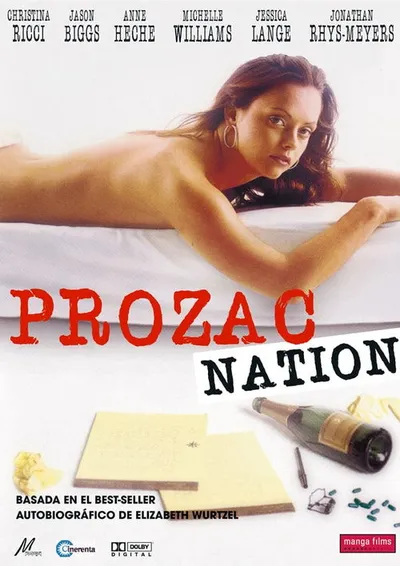 Prozac Nation2001
 Alex Strangelove2018
 Little Fish2005
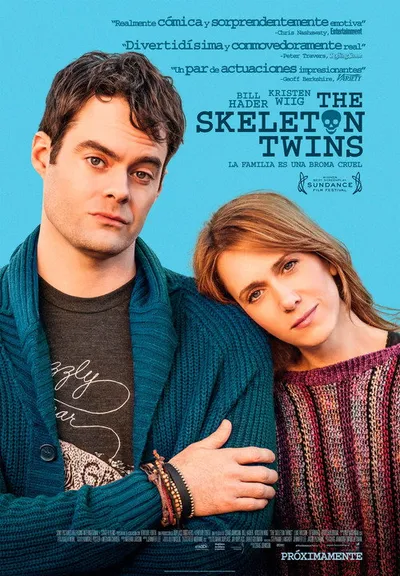 The Skeleton Twins2014
- Boys Don't Cry 1999 · music
- Tigerland 2000 · music
- Prozac Nation 2001 · music
- Lilya 4-ever 2002 · music
- Dirty Pretty Things 2002 · music
- A Love Song for Bobby Long 2004 · music
- Little Fish 2005 · music
- God Willing 2006 · music
- Choke 2008 · music
- The Messenger 2009 · music
- Bananas!\ 2009 · music
- Trust 2010 · music
- Margin Call 2011 · music
- The Skeleton Twins 2014 · music
- A Walk in the Woods 2015 · music
- Alex Strangelove 2018 · music
- Juliet, Naked 2018 · music
- Costa Brava, Lebanon 2021 · music
Original Cinematopedia text based on Wikipedia (en) and Wikidata.