
Michael Gordon
1909–1993 · American film director
Biography
Michael Gordon (born Irving Kunin Gordon; Baltimore, 1909 – Los Angeles, 1993) was an American director whose career ran from the early 1940s into the early 1970s. Born to Jewish parents in Baltimore, he graduated from Yale and began in Hollywood as a dialogue director and editor before taking over direction himself in 1942. His career divides into two phases, separated by the blacklisting of the McCarthy era.
In the 1940s he made low-budget B-movies, then turned to melodramas, action pictures and film noir. His most celebrated work from that period is Cyrano de Bergerac (1950), which won José Ferrer the Academy Award for Best Actor. After two films in 1951, his past links to left-wing organisations kept him out of work for most of the decade. He returned with Pillow Talk (1959), a comedy starring Doris Day and Rock Hudson, and from then on concentrated mainly on light comedies, with the noir-tinged Portrait in Black as a notable exception. He stepped away from directing in the early 1970s. He was also a stage director and a member of the Group Theatre in the 1930s.
His grandson is the actor Joseph Gordon-Levitt.
Key films
- The Web (1947): a psychological thriller about a war veteran accused of murder.
- Cyrano de Bergerac (1950): an adaptation of Rostand's play that earned Ferrer his Oscar.
- Pillow Talk (1959): a romantic comedy that revived his career after the blacklist.
- Portrait in Black (1960): a drama with Lana Turner, one of his few departures from comedy in his later phase.
- Move Over, Darling (1963): a comedy with Doris Day and James Garner.
- Texas Across the River (1966): a Western with Dean Martin and Joey Bishop.
Trivia
A famous grandson
He was the grandfather of actor Joseph Gordon-Levitt, the son of his daughter Jane.
From stage to screen
He was a member of the Group Theatre in the 1930s and later joined the faculty of UCLA's theatre department.
On Cinematopedia
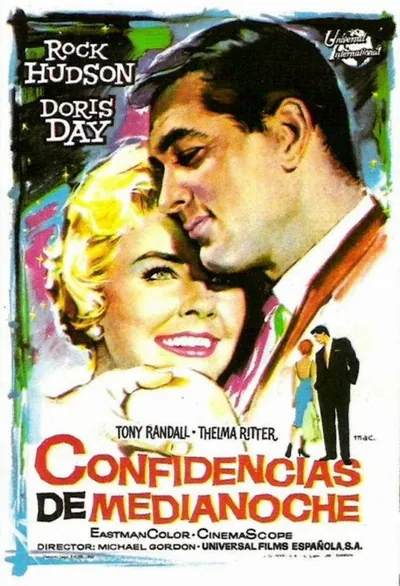 Pillow Talk
 Cyrano de Bergerac
 Move Over, Darling
 The Web
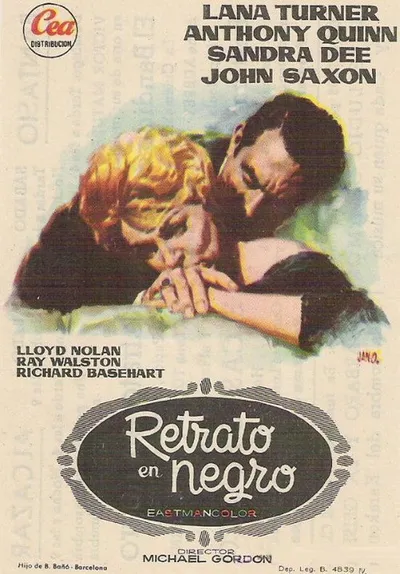 Portrait in Black
 Texas Across the River
 The Secret of Convict Lake
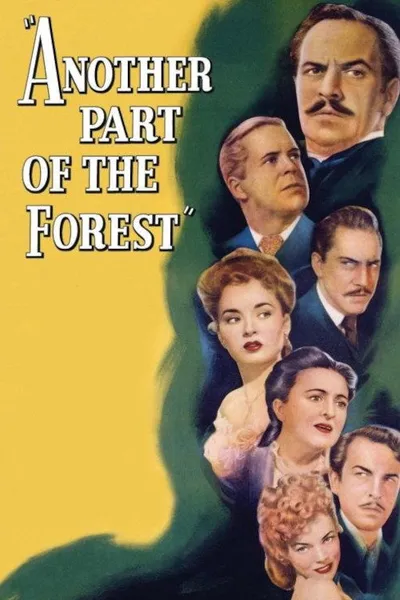 Another Part of the Forest
 Once More, My Darling
Original Cinematopedia text based on Wikipedia (es) and Wikipedia (en) and Wikidata.