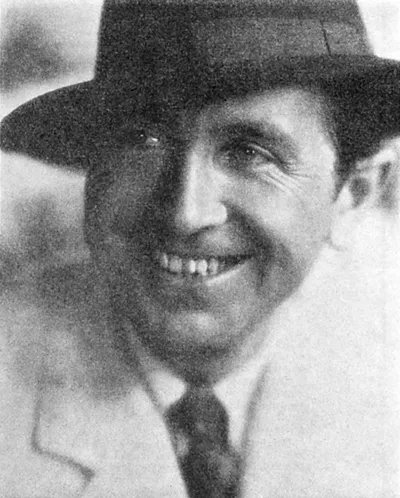
Malcolm St. Clair
1897–1952 · American film director, writer, producer and actor
Biography
Malcolm St. Clair (Los Angeles, 1897 – Pasadena, 1952) was an American director, writer, producer and actor. He is best remembered for his silent comedies, and his training came through Mack Sennett's studio, where he began drawing sports caricatures and went on to play small comic parts, including a Keystone Kop.
From acting he moved into directing, making roughly two dozen short comedies for Sennett. He briefly worked with Buster Keaton on two films in 1921 and 1922, and he took from Keaton the habit of linking gags to the main storyline. After spells at Warner Bros. and Columbia, he signed with Paramount in 1925 and directed stars such as Clara Bow and Louise Brooks. Sound brought a decline in his fortunes, as censorship and less mobile cameras frustrated his style. At 20th Century Fox from 1936 he made B-level comedies, including several Jones Family films and four Laurel and Hardy features. Ill health ended his attempts to return to directing after 1950. He is now remembered for his visual style, especially his back shots and foot shots, and for the fact that much of his silent output is lost.
Key films
- The Canary Murder Case (1929), with Louise Brooks, often cited for the back shots that mislead the viewer.
- Montana Moon (1930), one of his early sound pictures, made as he struggled with the new technology.
- Hollywood Cavalcade (1939), a backstage comedy-drama made for Fox.
- The Dancing Masters (1943), one of the four comedies he directed with Laurel and Hardy at Fox.
- Good and Naughty (1926), a sophisticated comedy from his Paramount period.
Trivia
A misleading shot
In The Canary Murder Case (1929), viewers glimpse Louise Brooks through a keyhole, seated with her back to the camera and a lit cigarette in hand. She seems alive, but she has just been murdered.
A prince in a comedy
In Yankee Doodle in Berlin (1919), made for Sennett, he played the Crown Prince as a comic villain after World War I. His height of nearly two metres made him stand out among the cast.
On Cinematopedia
 The Canary Murder Case
 Jitterbugs
 The Dancing Masters
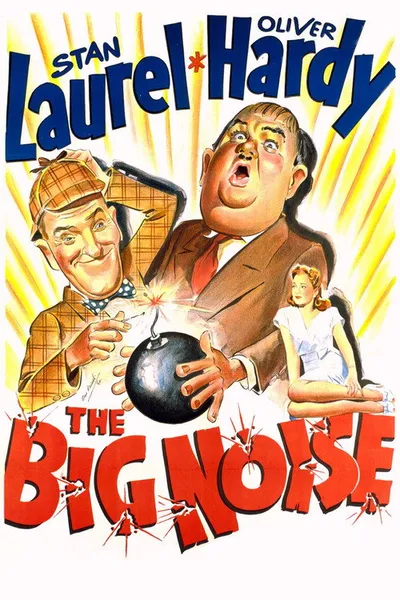 The Big Noise
 The Blacksmith
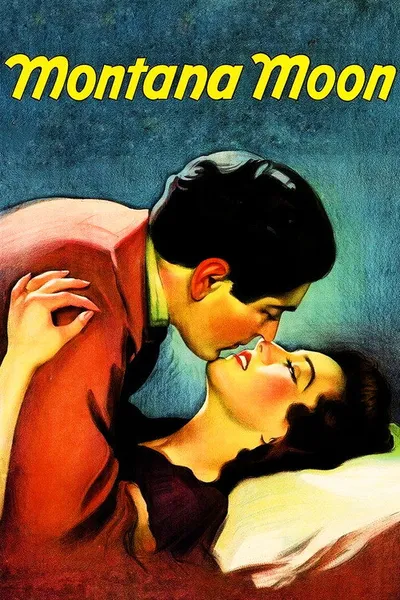 Montana Moon
 Hollywood Cavalcade
 The Bullfighters
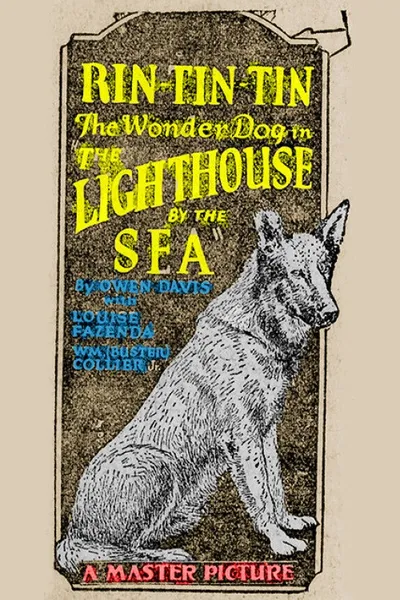 The Lighthouse by the Sea
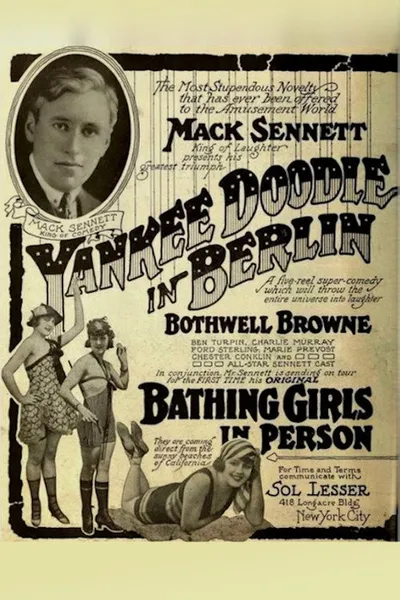 Yankee Doodle in Berlin
 A Woman of the World
 Good and Naughty
Original Cinematopedia text based on Wikipedia (es) and Wikipedia (en) and Wikidata.