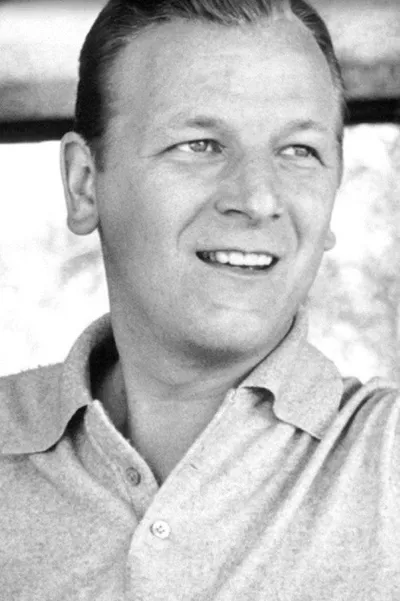
Les Baxter
1922–1996 · American composer, conductor and musician
Biography
Leslie Thompson Baxter, known as Les Baxter (1922–1996), was an American composer, conductor and musician. He is best remembered for helping to define exotica, a lush easy listening style of the 1950s, and for a long film career that produced more than a hundred scores.
Baxter studied piano at the Detroit Conservatory of Music before moving to Los Angeles to continue his studies at Pepperdine College. From 1943 he played saxophone in the Freddie Slack big band, and later sang with Mel Tormé's Mel-Tones. In 1950 he joined Capitol Records as an arranger and conductor, leading the orchestra on Nat King Cole's first hits. His exotica albums and singles such as "Unchained Melody" brought him fame in the fifties.
His first film score was for the sailing travelogue Tanga Tika (1953). In the sixties he worked mainly for American International Pictures, scoring Roger Corman's Edgar Allan Poe adaptations and the beach party comedies. When his film work declined in the eighties, he wrote music for the SeaWorld theme parks. He is remembered as a versatile musician, though some former colleagues have questioned who wrote parts of his exotica output.
Key films
- House of Usher (1960): one of Roger Corman's Poe adaptations, with a score that suits its gothic mood.
- The Raven (1963): another Corman Poe film, scored by Baxter during the series' most playful phase.
- X: The Man with the X-ray Eyes (1963): a low-budget science fiction title that shows his American International work.
- Dr. Goldfoot and the Bikini Machine (1965): one of his beach party comedies, reflecting the pop sound of the period.
Trivia
A score in record time
Producer Howard W. Koch recalled that Baxter composed, orchestrated and recorded the entire score of The Yellow Tomahawk (1954) in about three hours.
A new score for a rejected soundtrack
For the theatrical release of Cry of the Banshee (1970), AIP rejected Wilfred Josephs's original score and commissioned a new one from Baxter.
On Cinematopedia
 House of Usher1960
 The Pit and the Pendulum1961
 Black Sunday1960
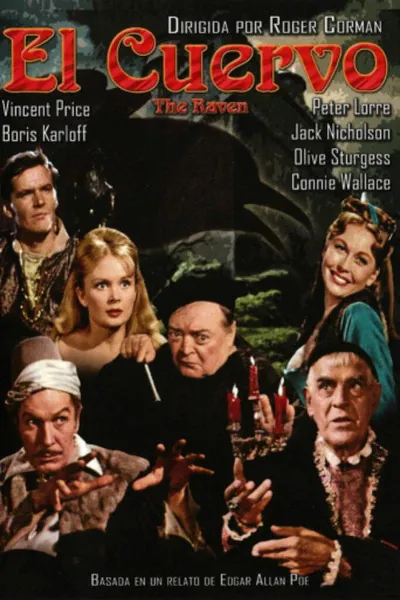 The Raven1963
 Royal Wedding1951
 Tales of Terror1962
 X: The Man with the X-Ray Eyes1963
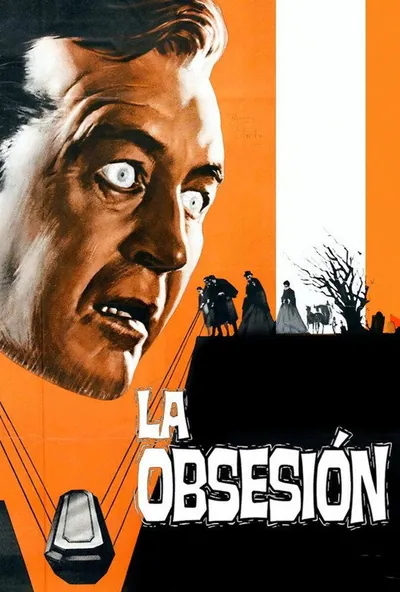 The Premature Burial1962
 The Girl Who Knew Too Much1963
 Wild in the Streets1968
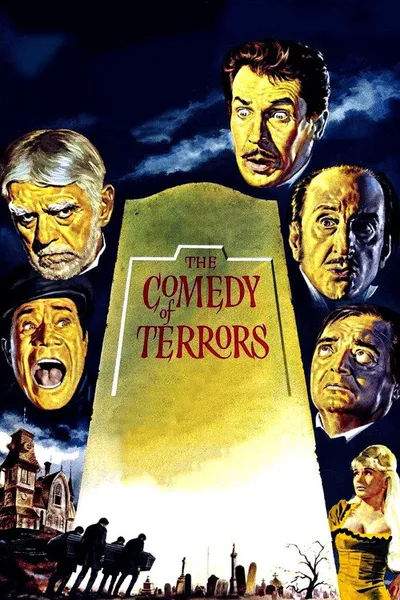 The Comedy of Terrors1963
 Beach Party1963
- Royal Wedding 1951 · cast
- The Black Sleep 1956 · music
- Hot Blood 1956 · music
- The Invisible Boy 1957 · music
- House of Usher 1960 · music
- Black Sunday 1960 · music
- The Pit and the Pendulum 1961 · music
- Master of the World 1961 · music
- Marco Polo 1961 · music
- Tales of Terror 1962 · music
- The Premature Burial 1962 · music
- Panic in Year Zero! 1962 · music
- The Raven 1963 · music
- X: The Man with the X-Ray Eyes 1963 · music
- The Girl Who Knew Too Much 1963 · music
- The Comedy of Terrors 1963 · music
- Beach Party 1963 · music
- Bikini Beach 1964 · music
- Dr. Goldfoot and the Bikini Machine 1965 · music
- How to Stuff a Wild Bikini 1965 · music
- Beach Red 1967 · music
- Wild in the Streets 1968 · music
- The Dunwich Horror 1970 · music
- Cry of the Banshee 1970 · music
- Frogs 1972 · music
Original Cinematopedia text based on Wikipedia (es) and Wikipedia (en) and Wikidata.